Audio Device Design: Skills, Tools & Career Path
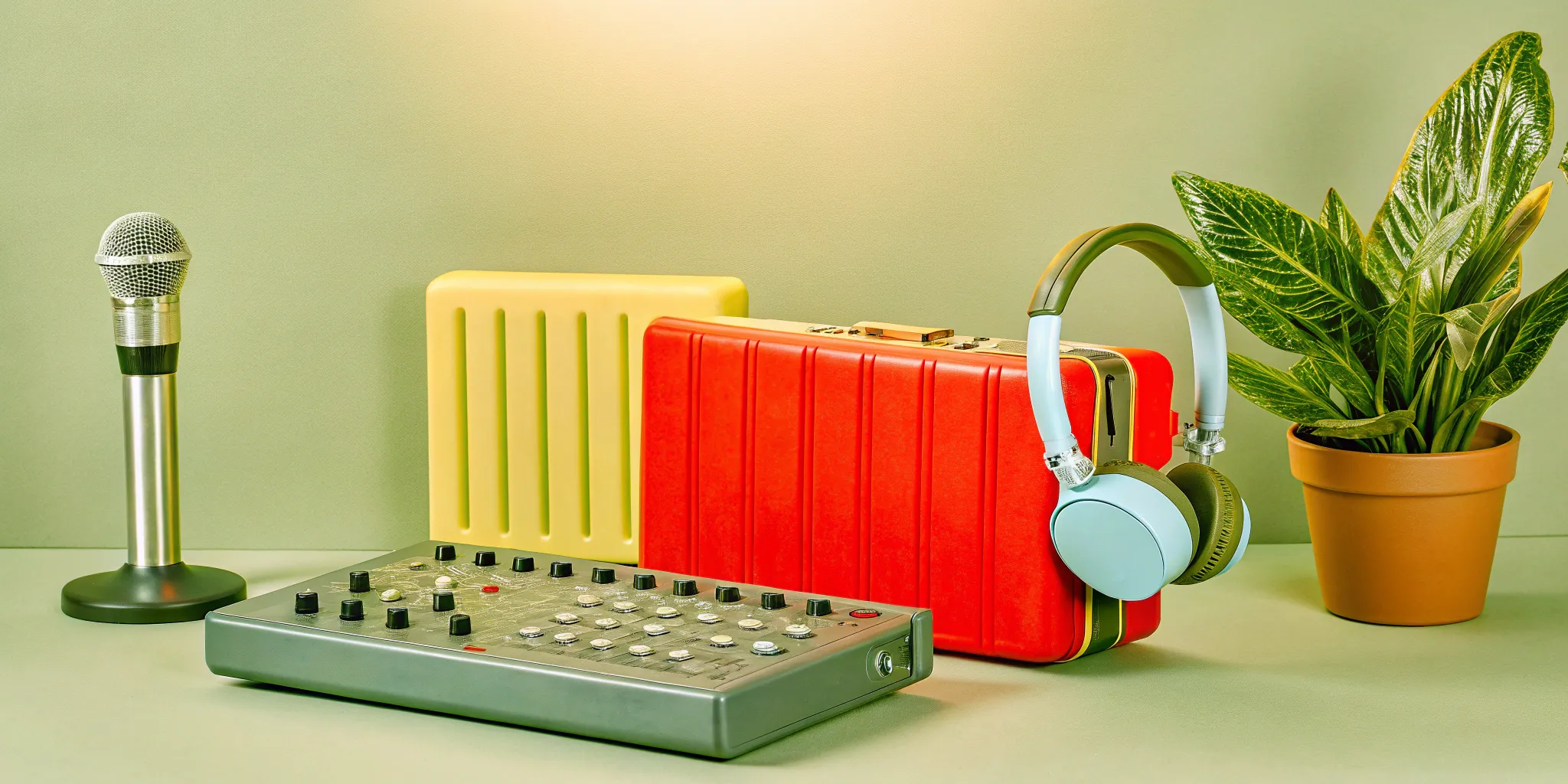
We've all experienced it: that moment when you unbox a new piece of tech and it just feels right. The weight is perfect, the materials feel premium, and the first time you use it, it works exactly as you hoped. That feeling isn't an accident; it's the result of a thousand thoughtful decisions. In the world of sound, this is the essence of great audio device design. It’s the strategic process of shaping every interaction, from the unboxing experience to the clarity of the sound, to create a product that builds a genuine connection with its user and makes a lasting brand impression.
Key Takeaways
- A great audio product is a three-part harmony: It requires a perfect blend of electrical and mechanical engineering for function, acoustics for sound quality, and industrial design to create a compelling user experience that aligns with your brand.
- Design for the real world, not just the drawing board: A successful product must be designed for manufacturability (DFM) from the very beginning. This means making strategic choices about materials and construction to ensure the final product can be built efficiently and on budget without sacrificing quality.
- Use technology to tell a better brand story: In a crowded market, differentiation comes from more than just sound. Integrating modern tech like AI-powered features, seamless IoT connectivity, and sustainable materials creates a product that feels thoughtful and modern.
What is Audio Device Design?
At its core, audio device design is the complete process of creating a physical product that produces or captures sound. It’s where engineering, acoustics, and industrial design come together to build something that not only works flawlessly but also looks and feels incredible. This isn't just about making things louder; it's about shaping an entire sensory experience. Whether it's a pair of branded headphones for a product launch, a custom smart speaker for an immersive campaign, or a high-fidelity microphone for an influencer kit, the goal is to translate a creative vision into a tangible, high-performance product.
The process covers everything from the initial concept sketch to the final, manufacturable design. It involves selecting the right internal components like transducers and amplifiers, engineering the electronic systems that power them, and designing the physical enclosure that houses it all. A successful audio product has to be technically precise, delivering clear, rich sound without distortion. But it also has to be intuitive to use and visually aligned with a brand’s identity. It’s a delicate balance of form, function, and feasibility—ensuring the final product can actually be built on time and on budget. This is where a deep understanding of the product development lifecycle becomes essential for a smooth launch.
Breaking Down the Core Principles
Behind every great-sounding audio device is a solid foundation of traditional engineering. While a passion for music helps, the real work is grounded in disciplines like electrical engineering, mechanical engineering, and physics. This is what separates a professional-grade product from a simple gadget. Electrical engineers design the circuits that process audio signals, while mechanical engineers create the physical structure, ensuring it’s durable, manufacturable, and acoustically sound.
This technical expertise is non-negotiable. It’s what allows a design team to solve complex challenges like managing heat in a compact device, optimizing battery life, and ensuring every component works together perfectly. You can’t just pick parts off a shelf and hope for the best. True audio design requires a deep understanding of core engineering principles to create a product that is reliable, performs consistently, and delivers an exceptional user experience from the moment it’s unboxed.
Where Engineering Meets Acoustics
If engineering provides the technical "how," acoustics provides the "why." Acoustics is the science of how sound waves behave, and it’s what makes the difference between a product that’s just loud and one that sounds truly amazing. Every design choice—from the material of the enclosure to the shape of the speaker grille—impacts the final sound quality. The goal is to control factors like vibration, resonance, and reflection to produce the clearest, most accurate audio possible.
This is where the art of listening meets the precision of science. A skilled design team uses sophisticated modeling software to simulate how a device will sound before a single prototype is even built. But they also rely on critical listening to fine-tune the performance. This blend of objective data and subjective experience is crucial for creating a product that not only measures well in a lab but also connects with the listener on an emotional level. It’s the deep understanding of acoustics in product design that turns a functional device into a memorable brand experience.
Exploring Different Types of Audio Devices
The world of audio is incredibly diverse, and each type of device presents its own unique design puzzle. From the tiny, intricate engineering of an earbud to the complex acoustic chamber of a speaker, the core principles of audio design are applied in different ways. Understanding these categories is the first step in figuring out what kind of product makes sense for your brand, whether it's a piece of high-end merchandise or a key component of an immersive campaign. It’s about matching the form, function, and technology to the experience you want to create for your audience.
Headphones and Earbuds
Headphones and earbuds are no longer just for listening to music—they’re wearable tech. The biggest challenge here is packing incredible performance into a tiny, ergonomic package. We're talking about integrating features like active noise cancellation (ANC), seamless true wireless connectivity, and even biometric sensors for health tracking. For brands, this category offers a chance to create a product that becomes part of a user's daily life. The design has to be comfortable enough for all-day wear, intuitive to use with gesture controls, and visually aligned with your brand's aesthetic, all while delivering flawless audio.
Speakers and Soundbars
When it comes to speakers and soundbars, the goal is to create an immersive soundscape that fills a room. This is where engineering and acoustics really have to work together. The trend is moving toward creating powerful, cinematic experiences with technologies like 3D and spatial audio, which make sound feel like it's coming from all around you. The design challenge is to achieve this in a compact, aesthetically pleasing form that fits into a modern home or retail space. For an agency, this could mean designing a branded soundbar for a home entertainment campaign or a high-fidelity speaker for an exclusive influencer gift.
Microphones and Recording Gear
With the explosion of podcasting and content creation, microphones have become essential tools for professionals and hobbyists alike. Designing recording gear is a balancing act between capturing crystal-clear audio and creating a product that looks great on camera. Key engineering goals include improving microphone sensitivity while minimizing background noise. For a brand, this could translate into a custom podcasting kit for your partnered creators or a sleek, branded microphone that reinforces a high-end image. The product needs to perform flawlessly under pressure while fitting seamlessly into a creator's workflow and personal brand.
Portable and Smart Audio
Portable and smart audio devices are all about convenience, connectivity, and lifestyle integration. Think portable Bluetooth speakers for on-the-go listening or smart speakers that act as a central hub for a connected home. These products need to be durable, easy to use, and equipped with features like voice assistants and smart home compatibility. There's also a growing demand for products made from sustainable materials, which offers a powerful storytelling angle for brands. This category is perfect for creating functional, everyday products that keep a brand top-of-mind with its audience.
How Acoustics Shapes Performance
Great audio performance doesn't happen by accident. It’s the result of carefully engineering how sound behaves within a physical product. Acoustics is the science of sound, and for any audio device, it’s the invisible force that dictates everything from clarity and loudness to the overall listening experience. Whether we're designing a sleek pair of earbuds or a powerful branded speaker for a marketing campaign, our process starts with the physics of sound. We treat the product itself as a tiny concert hall, meticulously shaping every surface and selecting every material to ensure the final product sounds as incredible as it looks. This blend of art and engineering is what turns a simple object into a memorable audio experience.
Understanding Sound Waves and Frequency
At its core, sound is just vibration moving through the air in waves. The goal of any audio device is to create these waves accurately. To do that, we have to understand how they'll behave inside and outside the product. We use acoustic modeling to simulate how sound waves will travel, reflect, and interact within an enclosure before we even build a prototype. This allows us to predict and solve problems like muffled audio or unwanted distortion. Every curve, angle, and internal component placement is a decision that shapes the final sound, ensuring that high frequencies are crisp and low frequencies are deep and clear without becoming muddy.
Choosing Materials for the Best Sound
The materials you choose for an audio product do more than define its look and feel—they are an active part of the acoustic system. Different materials interact with sound waves in unique ways, and we engineer around three key principles: absorption, diffusion, and isolation. Soft materials like fabric or foam are great for absorption, soaking up stray sound waves to prevent echo. Hard, uneven surfaces help with diffusion, scattering sound to create a more spacious and natural feel. Finally, dense materials provide isolation, keeping sound in and preventing external vibrations from interfering. The right combination of materials and acoustic treatments is critical for clean, controlled audio performance.
Designing Enclosures to Control Resonance
Every object has a natural frequency at which it wants to vibrate. In audio design, this is called resonance, and if it’s not controlled, it can create buzzing, rattling, and distorted sound. The enclosure—the physical housing of the device—is our primary tool for managing it. We design the enclosure’s size, shape, and internal bracing to be acoustically inert, meaning it supports the audio components without adding its own unwanted vibrations. A key part of this is managing acoustic impedance, which ensures the speaker can transfer sound energy into the air as efficiently as possible. A well-engineered enclosure allows the drivers to perform their job perfectly, delivering pure, clean sound.
The Key Components of Audio Engineering
Behind every sleek speaker or pair of custom-branded earbuds is a carefully orchestrated system of electronic components working together to produce sound. While industrial design handles the look and feel, audio engineering is all about what’s happening on the inside. Getting the internal hardware right is what separates a beautiful paperweight from a high-performance audio device. Understanding these core parts helps bridge the gap between a creative concept and a functional, market-ready product. These are the main components of an audio processing system that we engineer to bring your ideas to life.
Transducers and Drivers
Think of transducers as the vocal cords of an audio device. Their job is to convert energy from one form to another—specifically, turning electrical signals into the physical sound waves you can hear. The most common type of transducer in speakers and headphones is a driver. It uses a vibrating diaphragm to push air and create sound. The quality, size, and material of the driver have a massive impact on the final audio output, determining everything from bass response to clarity. When we design a product, selecting the right driver is one of the first and most critical steps to achieving the desired sound profile.
Amplifiers and Signal Processing
An audio signal on its own is usually too weak to power a speaker. That’s where amplifiers come in. An amplifier, or amp, boosts the electrical signal to a level that’s strong enough to make the driver move and produce sound. But it’s not just about making things louder. Signal processing refines that signal before it even reaches the amp. This involves tasks like equalization (adjusting bass, mids, and treble), compression to even out volume levels, and adding effects. This combination ensures the audio is not only loud enough but also clean, balanced, and free of distortion, delivering a polished listening experience.
Digital Signal Processors (DSPs)
If the driver is the vocal cords, the Digital Signal Processor (DSP) is the brain. A DSP is a specialized microprocessor built to handle complex audio calculations in real time. It’s the magic behind modern features like active noise cancellation, spatial audio, and voice recognition. For example, in a pair of noise-canceling headphones, the DSP analyzes incoming ambient sound and creates an opposing signal to cancel it out instantly. These powerful little chips allow for an incredible amount of control and customization over the sound, enabling us to build sophisticated features into even the smallest devices.
Power Management Systems
Power management might not be the most glamorous part of audio engineering, but it’s absolutely essential. This system is responsible for regulating the flow of electricity to all the other components, ensuring they get the stable power they need to operate correctly. In battery-powered devices like portable speakers or wireless earbuds, this is even more critical. A well-designed power management system maximizes battery life, prevents overheating, and protects sensitive electronics from damage. It’s the unsung hero that guarantees the device is reliable, efficient, and delivers consistent audio performance from the first minute to the last.
Why Industrial Design Matters for Audio Products
Great audio products don't just happen. They are the result of a careful, strategic process where art and science meet. Industrial design is the discipline that sits at this intersection, turning a great idea for a speaker or a pair of headphones into a tangible product that people want to buy and use. It’s about more than just making something look cool; it’s about defining the product's entire physical identity.
For agencies and brands, industrial design is where your story takes physical form. It ensures the final product not only sounds amazing but also feels right in a user's hands, looks right in their home, and aligns perfectly with your brand's message. This process considers everything from the texture of the materials to the satisfying click of a button, all while keeping the realities of engineering and manufacturing in check. It’s the bridge between a creative vision and a market-ready product.
Balancing How It Looks with How It Works
In the world of audio, a device is often both a high-performance tool and a personal style statement. Industrial design is responsible for striking the perfect balance between these two roles. The form, materials, and finish of a speaker or headphone set the user's expectations before they even hear a single note. A sleek, minimalist design might suggest precision and clarity, while a rugged, textured finish can communicate durability for on-the-go use.
But aesthetics are only half the story. The design must also support the product's function. This means thinking through ergonomics—how headphones fit on your head for hours, or how you grip a portable speaker. It’s about making controls intuitive and accessible. A successful audio product design ensures the device is as easy and enjoyable to use as it is to look at, creating a cohesive experience where form and function are in complete harmony.
Designing for a Great User Experience
A positive user experience (UX) goes far beyond sound quality. It’s the sum of every interaction a person has with the product, from the moment they unbox it to their daily use. Industrial design shapes this entire journey. It dictates the weight and balance of the device, the tactile feedback of its buttons, and the clarity of its interface. A well-designed product feels intuitive from the start, requiring little to no instruction.
Even the non-visual cues matter. For instance, the subtle tones a device makes when it powers on, pairs with Bluetooth, or confirms a command are crucial design elements. Thoughtful sound design contributes to the product's perceived quality and makes it feel more responsive and reliable. By focusing on the complete user experience, industrial design transforms a simple piece of hardware into a product that feels like a natural extension of the user.
Making Sure It's Ready for Manufacturing
A brilliant design is only valuable if it can be built efficiently, reliably, and within budget. This is where industrial design meets the practical realities of production. The process, often called Design for Manufacturability (DFM), involves making strategic decisions from the very beginning to ensure a smooth path to the assembly line. This means selecting materials that are not only beautiful but also durable and cost-effective. It involves designing components that can be easily molded, machined, and assembled.
This foresight is critical for avoiding costly delays and quality issues down the road. By streamlining the product’s internal architecture and simplifying its construction, industrial design ensures the final product that rolls off the line is just as good as the prototype everyone fell in love with. Ultimately, a design that’s optimized for manufacturing is fundamental to how industrial design improves user experience, because it delivers a high-quality, well-built product into the user's hands.
How New Tech is Changing Audio Design
The world of audio device design is moving faster than ever, and it’s not just about perfecting sound quality anymore. Today, the best audio products are defined by their intelligence, connectivity, and sustainability. Technology is pushing designers and engineers to think beyond the speaker cone and consider how a device fits into a user’s entire life. From the wireless protocols that connect our devices to the smart features that anticipate our needs, innovation is at the heart of every new product.
For brands and the agencies that support them, these shifts create incredible opportunities. You can now develop audio products that are more than just functional—they can be deeply integrated into a user’s smart home, personalized with AI, and built with a conscience. The challenge is no longer just about making something sound good; it’s about creating an experience that feels seamless, intuitive, and modern. This means your design and engineering partner needs to be fluent in everything from Bluetooth standards to power management and sustainable materials. Understanding these trends is the first step toward creating a product that doesn't just play music, but truly connects with your audience.
Wireless and Bluetooth Integration
Untethered audio is the standard, and the technology behind it is getting a major upgrade. The biggest game-changer is Bluetooth LE Audio, a new framework that fundamentally improves how wireless devices work. It introduces a more efficient codec that delivers higher-quality sound without draining the battery. For users, this means longer listening sessions and richer audio. For designers, it opens up possibilities for smaller, sleeker devices, since less space is needed for bulky batteries. This new standard also supports connecting multiple devices to a single source, paving the way for more shared and immersive audio experiences that brands can build entire campaigns around.
The Role of AI and Machine Learning
Artificial intelligence is the invisible layer that’s making audio devices smarter and more personal. Think of it as the brain behind the hardware. AI and machine learning algorithms are now used to power features like adaptive active noise cancellation (ANC), which adjusts to your environment in real time. They also enable the voice assistants we rely on and can even create personalized sound profiles tailored to an individual’s hearing. For a brand, integrating AI isn’t just a technical feature—it’s a way to make a product feel uniquely attentive and helpful, creating a much stronger connection with the user and turning a simple device into an intelligent companion.
Smart Home and IoT Compatibility
Audio devices no longer live in isolation. They are key players in the connected home, and users expect them to work flawlessly with everything from their lights to their thermostats. Designing for the Internet of Things (IoT) means prioritizing seamless integration and interoperability. Technologies like Bluetooth Auracast are making this easier, allowing a single source to broadcast audio to an unlimited number of receivers. This could change everything from public audio in airports to silent discos and multi-language support at events. When developing a new audio product, the engineering focus must include robust connectivity that makes it a reliable part of a user’s smart ecosystem.
Designing for Sustainability
Modern consumers care about where their products come from and what happens to them at the end of their life. As a result, sustainability has become a core principle of good design. In audio, this means choosing recycled and responsibly sourced materials, designing for disassembly and repair, and prioritizing energy efficiency. The power-saving benefits of technologies like Bluetooth LE Audio play a huge role here, as they extend a product’s battery life and reduce overall energy consumption. By building products that are both high-performing and environmentally conscious, brands can deliver on their values and meet the expectations of a growing market of eco-aware buyers.
Common Challenges in Audio Device Design
Bringing a new audio product to life involves solving a unique set of puzzles where physics, aesthetics, and business goals all intersect. Even the most straightforward concepts can run into complex hurdles during development. From the internal engineering to the external market positioning, every step requires careful planning and expert execution. For creative agencies and brands, understanding these challenges is the first step toward creating a physical product that not only works flawlessly but also makes a real impact. Here are a few of the most common obstacles we help our partners work through.
Balancing Great Sound with a Realistic Budget
Getting incredible sound without an unlimited budget is a classic challenge. It’s easy to assume that better audio always requires more expensive components, but that’s not the whole story. The real key is making smart trade-offs. True product innovation comes from focusing the budget on what the user will actually hear and value, rather than on features that don't improve the core experience. A thoughtful approach to strategic budgeting ensures every dollar is spent creating the best possible acoustic performance. This means prioritizing high-quality drivers or a well-designed enclosure over bells and whistles that might look good on a spec sheet but don’t deliver audible benefits.
Managing Heat in Small Devices
The smaller and more powerful a device gets, the more heat it generates. For audio products like portable speakers or wireless earbuds, managing that heat is a critical engineering problem. If not handled properly, excess heat can damage sensitive electronics, reduce battery life, and even make the device uncomfortable to touch. Solving this requires a deep understanding of thermal dynamics. We use strategies like integrating custom heat sinks, designing clever ventilation paths that don't compromise sound quality, and selecting materials that dissipate heat effectively. It’s a technical balancing act that ensures the product performs reliably and safely, no matter its size.
Standing Out in a Crowded Market
The audio market is packed with options, so creating a product that captures attention is a major hurdle. Cutting-edge technology alone isn't enough to win over customers; even the best internal components can't make up for a clunky or uninspired design. To truly stand out, a product needs a strong point of view. This is where industrial design becomes your greatest asset. By focusing on a superior user experience, intuitive controls, and a unique visual identity that aligns with your brand, you can create something that feels special. It’s about building a product that people not only want to use but are proud to own.
Collaborating with a Remote Team
Great products are built by teams, but those teams are often spread across different cities or even countries. When your creative agency is in one place and your engineering partner is in another, clear and constant communication is everything. Misaligned expectations or a missed detail can lead to costly delays and redesigns. The key to success is a process built on transparency and collaboration. Using shared project management tools, holding regular check-ins, and establishing a single point of contact ensures everyone is on the same page. With effective communication, remote collaboration becomes a strength, allowing you to work with the best talent, no matter where they are.
What It Takes to Become an Audio Device Designer
Becoming an audio device designer isn’t something that happens overnight. It’s a path that blends deep technical knowledge with a genuine passion for sound. This field requires a unique mix of engineering precision and creative intuition to build products that not only work flawlessly but also deliver an incredible listening experience. For anyone looking to enter this world, or for brands looking to hire the right talent, it’s important to understand the foundational pillars of expertise. It’s about more than just knowing how speakers work; it’s about understanding the physics of sound, the language of electronics, and the art of user-focused design. The best designers are part engineer, part artist, and part problem-solver, capable of turning a complex set of components into a seamless, beautiful product.
Key Technical Skills to Master
To truly excel in audio design, you need a solid technical toolkit. It starts with a strong knowledge of electronics, which is the bedrock of any audio device. From there, you need to get comfortable with Digital Signal Processing (DSP), which is how modern devices digitally shape and refine sound. This is where you can program custom audio effects or perfect an acoustic profile. You’ll also need skills in embedded programming—coding for specific devices—and potentially even FPGA development, which involves designing custom computer chips for highly specialized tasks. Mastering software like Matlab is also a huge help for modeling and testing your ideas before you ever build a physical prototype.
What to Study in School
While passion can take you far, a formal education provides the theoretical framework needed to tackle complex engineering challenges. Most professionals in this field start with a traditional engineering degree. An Electrical Engineering (EE) degree is the most common path, as it covers circuits, power, and signal processing. However, Mechanical Engineering (ME) is also incredibly valuable for designing the physical enclosures and structures of a device. A degree in Physics can provide a deep understanding of acoustics and sound waves, while a Computer Science (CS) degree is essential for anyone focusing on the software, firmware, and digital audio side of product development. This background gives you the principles to build upon throughout your career.
Gaining Experience with Real Projects
There’s no substitute for getting your hands dirty. Hands-on experience is where theoretical knowledge becomes practical skill. The best way to learn is by building your own audio projects, whether that means creating guitar pedals, programming sound effects, or just taking apart old electronics to see how they tick. These projects teach you how components interact in the real world and force you to solve the small but critical problems that never come up in a textbook. This kind of practical work demonstrates a genuine curiosity and a fundamental understanding of how products are actually made, which is invaluable for any aspiring designer. You can find great starter projects on sites like Instructables.
Building a Standout Portfolio
In a creative and technical field like audio design, your portfolio is everything. It’s your chance to show, not just tell, what you’re capable of. To stand out, you should create your own audio-related projects to show your skills and passion. This could be anything from a custom-built amplifier to a unique pair of headphones or a piece of software that manipulates sound in an interesting way. A strong portfolio does more than list your technical abilities; it tells a story about your design philosophy, your problem-solving process, and your dedication to the craft. It’s the single most powerful tool you have for proving you can turn an idea into a finished, functional product.
The Designer's Toolkit: Essential Software and Tech
Bringing a high-performance audio device to life requires more than just a great idea and a sketch. It demands a sophisticated digital toolkit where engineering and creativity meet. Think of this as the modern designer’s workbench—a suite of powerful software that allows us to model, simulate, and perfect every aspect of an audio product before a single physical part is made. This is where we sculpt the sound, refine the user experience, and ensure the final product is both technically sound and ready for manufacturing. For our agency partners, this process is all about de-risking the project. By using these tools, we can identify potential issues, optimize performance, and validate design choices with hard data, ensuring the final product aligns perfectly with your creative vision. Having the right tech stack is non-negotiable; it’s what enables us to move quickly from concept to prototype while ensuring every detail is accounted for. It’s how we build products that don’t just look good, but sound incredible.
MATLAB and DSP Development
At the heart of modern audio engineering is Digital Signal Processing (DSP), which is essentially the "brain" that shapes the sound inside a device. For this, we rely heavily on MATLAB. It’s a powerful platform where we can design and simulate how a device will process audio signals. Using its specialized Audio Toolbox, we can build and test complex audio systems in a virtual environment. This allows us to fine-tune everything from noise cancellation algorithms to equalization curves with incredible precision. The DSP System Toolbox gives us the tools to analyze signals and design filters, ensuring the sound is clean, clear, and exactly what we envisioned. It’s a critical step for creating a signature sound profile for your brand.
Audio Driver Development Tools
Once the audio processing logic is designed, it needs a way to communicate with the physical hardware. That’s where audio driver development tools come in. A platform like Audio Weaver is essential here, offering a graphical environment that streamlines the process of creating audio applications for embedded systems. Instead of writing endless lines of code, we can visually map out the audio signal flow. This approach is not only faster but also more flexible, allowing us to adapt the design to different processors and hardware configurations. For your project, this means a smoother, more efficient development cycle and confidence that the software and hardware will work together flawlessly from the start.
Prototyping and Testing Equipment
Simulation can only take you so far. Eventually, you need to test your design in the real world. Our toolkit includes software that helps bridge this gap by generating code for real-time prototyping. This lets us load our digital designs onto physical hardware and see how they perform instantly. Using the scopes and analyzers within the DSP System Toolbox, we can visualize and measure streaming signals as they happen. This dynamic testing is crucial for validating performance, catching issues early, and confirming that the device sounds as good in your hand as it did on our screens. It’s all about replacing guesswork with data-driven refinement to deliver a polished final product.
Digital Audio Workstations and Simulators
While engineering tools handle the technical logic, Digital Audio Workstations (DAWs) are where the creative sound production happens. A DAW is the standard software for recording, editing, and mixing audio. What’s powerful is how these creative tools integrate with our engineering platforms. For example, we can develop a custom audio effect or instrument in MATLAB and automatically generate it as a VST plugin that can be used in any major DAW. This workflow closes the loop between deep algorithm development and practical audio application, allowing us to create truly unique, branded sound experiences that go far beyond off-the-shelf solutions and resonate with your audience.
Related Articles
- What is Embedded Product Design? A Full Guide
- Mechanical and Electrical Engineering: Which Do You Need?
- 10 Best Industrial Design Agencies for Product Innovation — Jackson Hedden
- Industrial Design vs Product Design: Key Differences — Jackson Hedden
Frequently Asked Questions
We have a great concept for a branded audio product, but no technical background. Where do we even start? That’s the perfect place to start. Your job is to have the creative vision; our job is to handle the technical execution. The process begins with a conversation where we learn about your brand, your audience, and the experience you want to create. From there, we translate your concept into tangible design directions and engineering requirements. You don't need to know the difference between a transducer and a DSP—we'll guide you through the key decisions and manage the complexities so you can focus on the big picture.
What's the biggest mistake brands make when developing a new audio device? One of the most common pitfalls is focusing too much on adding features instead of perfecting the core user experience. It’s easy to get caught up in a long list of technical specs, but a product that does one or two things exceptionally well will always outperform one that does many things poorly. We help our partners identify the most impactful elements of their design—whether it's sound quality, intuitive controls, or a specific aesthetic—and we build the product around that solid foundation.
How do you ensure the final product actually sounds as good as it looks? This is where our integrated approach to design and engineering really shines. We don't treat form and function as separate stages. From the very first sketch, our industrial designers and engineers work together. We use advanced acoustic modeling to simulate how a design will perform before we build anything, and we carefully select materials and internal components that support the desired sound profile. This constant collaboration ensures that aesthetic choices never compromise audio quality, and vice versa.
Our project has a tight budget. Does that mean we have to sacrifice quality? Not at all. A limited budget just calls for smarter, more strategic design choices. Instead of trying to build a product that competes on every single feature, we help you focus your resources on what matters most to your audience. This might mean investing in a higher-quality driver and a well-engineered enclosure while simplifying other non-essential features. It’s about making intelligent trade-offs that deliver an incredible core experience without unnecessary costs.
How involved do we need to be in the day-to-day engineering process? We believe in collaboration, not complication. We handle all the deep technical work, but we keep you involved at key decision points throughout the process. You can expect regular updates, clear explanations, and opportunities to review prototypes and provide feedback. Our goal is to make the development process feel transparent and straightforward, giving you full confidence in the direction of the project without overwhelming you with technical details.