9 Best Product Design Companies (And How to Choose)

Your agency just sold through a brilliant campaign idea that hinges on a physical product—an immersive influencer kit, a piece of custom tech, or a line of branded merchandise. The client is thrilled. Now, the pressure is on to actually make it happen. This is where many creative projects hit a wall. Finding a partner who can bridge the gap between a creative brief and a production-ready reality is critical. The best product design companies don't just sketch pretty pictures; they bring deep engineering expertise to the table, ensuring your concept is functional, manufacturable, and ready for the real world without any last-minute surprises.

get a proposal

Key Takeaways

  • Look Beyond the Portfolio for Engineering Expertise: A beautiful concept is only as good as its execution. Partner with a firm that has in-house engineering and a deep understanding of Design for Manufacturing (DFM) to ensure your product is functional, reliable, and ready for production without costly surprises.

  • Choose a True Partner, Not Just the Lowest Bidder: The right cultural fit and clear communication are just as important as technical skill. Select a firm that operates as a seamless extension of your team, matching your pace and keeping you in the loop to ensure a smooth process from start to finish.

  • Insist on a Strategy-First Approach: Great product design solves real problems for users. The best firms start with market research and user insights to inform their creative decisions, ensuring the final product is not only innovative but also connects with its audience and achieves your client's business goals.

What to Look For in a Product Design Company

Choosing a product design partner can feel like a high-stakes decision, especially when your client's brand is on the line. You need more than just a slick portfolio; you need a team that can seamlessly translate your creative vision into a tangible product that works flawlessly and is ready for production. So, what separates a good partner from a great one? It comes down to a few key areas.

Start with their portfolio, but look deeper than the hero shots. Do they have experience creating products similar to what you need? If you're developing a piece of custom tech for an influencer kit, a firm that only designs furniture might not be the right fit. Look for case studies that show their process and prove they can handle the complexity your project requires. Reading client feedback can also give you a good sense of how they collaborate and whether they truly become an extension of their clients' teams.

This next point is where many creative projects hit a wall. A beautiful design is useless if it can't be manufactured efficiently. That's why you should always ask about their in-house engineering capabilities. A firm with strong Design for Manufacturing (DFM) expertise will design your product from day one with production in mind. This prevents costly redesigns and delays, ensuring your brilliant idea doesn't get stuck in development. Your agency runs on clear communication and tight timelines, and your design partner should too. Ask them to walk you through their process. Who will be your main point of contact? How do they handle feedback and revisions? A structured workflow and transparent communication are non-negotiable for keeping your project on track and your client happy.

Finally, it can be tempting to go with the lowest bidder, but a cheap partner can cost you dearly in the long run. Production errors, missed deadlines, and a subpar final product can damage your relationship with your client. Investing in a partner with proven technical skills and a solid process is an investment in your agency's reputation.

Our Approach: How We Bridge Design and Engineering

At Jackson Hedden, we believe the most successful products are born at the intersection of creative vision and engineering excellence. Too often, a brilliant concept gets lost in translation between separate design and engineering teams. A designer creates a beautiful form, only for an engineer to say it’s impossible to build. Or an engineer creates a functional product that lacks the aesthetic appeal to connect with an audience. We eliminate that disconnect by treating design and engineering as two parts of one cohesive process, managed by a single, integrated team.

This approach means we’re thinking about manufacturability from the very first sketch. It means our designers understand the constraints of physics, and our engineers appreciate the principles of great design. For our agency partners, this translates into a smoother, faster development cycle with fewer surprises. You bring us the creative brief, and we handle the complex work of turning it into a tangible, market-ready product. We act as your dedicated product development arm, ensuring the final result is as functional and reliable as it is visually compelling.

From Initial Sketch to Final Product

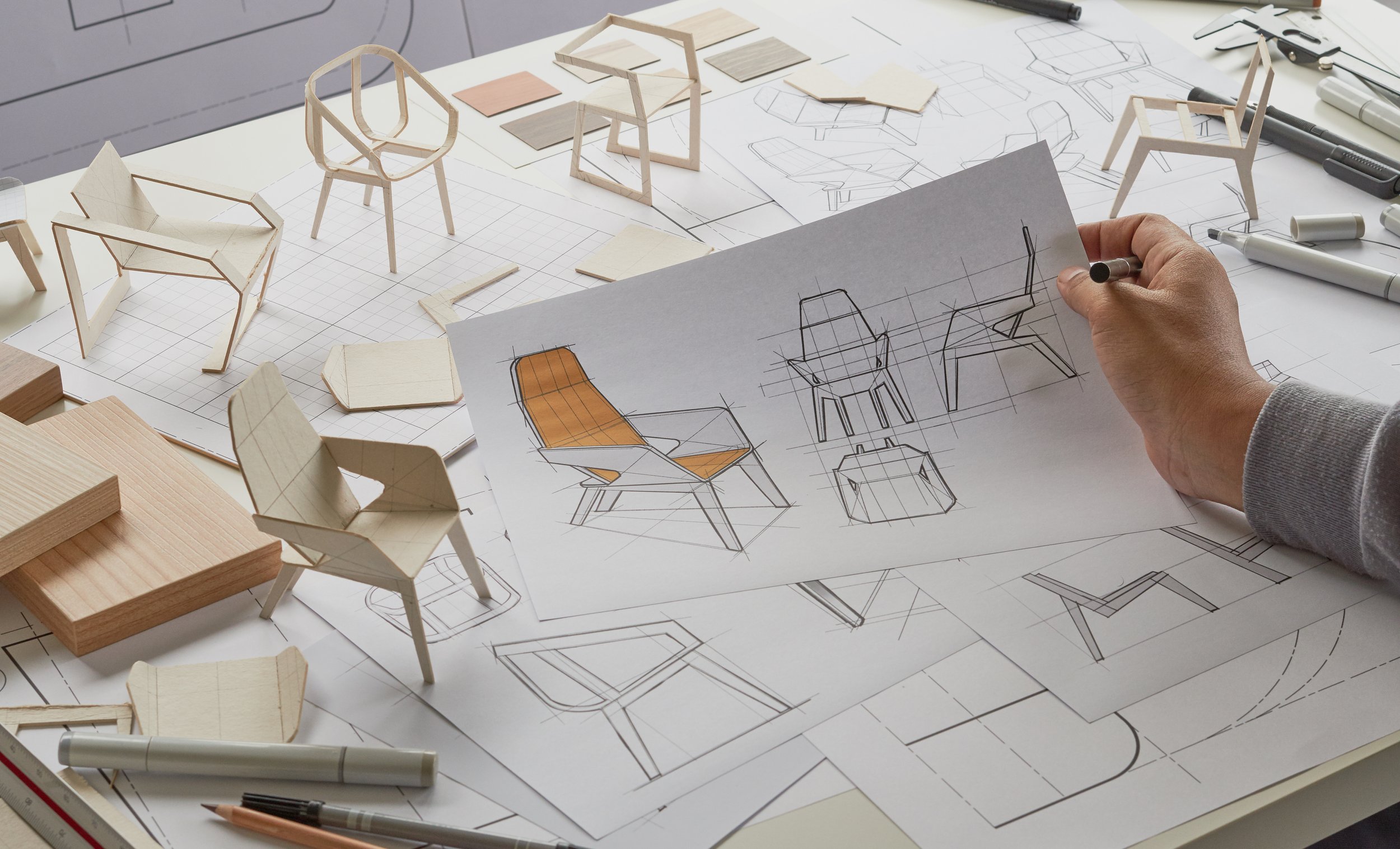
Our process is designed to be a seamless journey from idea to reality. It all starts with your vision—whether it’s a detailed brief for an influencer kit or a simple sketch for a new piece of branded merchandise. From there, our industrial designers work to give your concept form, exploring aesthetics, ergonomics, and the overall user experience. As the design takes shape, our mechanical and electrical engineers are already involved, ensuring the internal architecture is sound and the product can be manufactured efficiently.

We provide complete end-to-end design solutions, moving from 3D CAD modeling and material selection to functional prototyping and testing. We refine every detail until the product not only looks perfect but also performs flawlessly. The final deliverable isn’t just a prototype; it’s a production-ready package, complete with all the technical drawings and documentation needed for a smooth handoff to manufacturing.

Balancing Speed with Technical Precision

We know that in the agency world, timelines are tight and expectations are high. Our integrated structure is built for speed without sacrificing the technical rigor required for a high-quality product. Because our designers and engineers work side-by-side from day one, we eliminate the time-consuming back-and-forth that plagues traditional development models. Problems are solved in real-time, decisions are made quickly, and the project keeps moving forward.

This efficiency is possible because we bring together multidisciplinary teams with a shared goal. Every project is personally overseen by our founder, Jackson Hedden, ensuring a consistent creative direction and unwavering attention to engineering detail. We’re a nimble, execution-driven firm that thrives on turning ambitious ideas into polished products on an accelerated timeline. We deliver with the speed you need and the technical precision your brand deserves.

Top Digital Product Design Companies

While our expertise lies in turning ideas into tangible, physical products, the line between digital and physical is more blurred than ever. Smart devices, connected experiences, and app-integrated hardware are now the norm. For agencies creating comprehensive brand campaigns, understanding the leaders in the digital space is just as important as knowing who can build the physical components.

Digital product design firms focus on the user's journey through an app, website, or software interface. They live and breathe user experience (UX) and user interface (UI) design, ensuring every click, swipe, and interaction feels intuitive and purposeful. These are the teams that build the seamless digital ecosystems that often surround the physical products we help create. Here are a few of the most respected names in the digital design world.

IDEO: Experts in Human-Centered Design

IDEO is a legendary name in the design world, and for good reason. They pioneered the human-centered, design-based approach that many firms use today, focusing on deep empathy for the end-user. Their process is all about understanding people's real-world needs and behaviors to create products that feel genuinely helpful and intuitive. This philosophy extends beyond just function; IDEO is also committed to sustainability in their work. For example, they’ve helped develop medical devices designed with 40% less waste, proving that thoughtful design can have a positive environmental impact. For agencies, IDEO represents the gold standard in design thinking and user-centric innovation.

Smart Design: Specialists in User Experience

If you’re looking for a firm that obsesses over every detail of the user journey, look to Smart Design. They are masters of creating intuitive and deeply engaging products by putting user experience at the forefront of everything they do. Their work goes beyond just making something look good; they dig into the psychology of interaction to ensure a product is not only easy to use but also a pleasure to interact with. They excel at translating complex functional requirements into simple, elegant interfaces. A great example is their work on the Gatorade Gx platform, which blends a physical smart bottle with a digital app to deliver personalized hydration recommendations.

Work & Co: Leaders in Digital Product Impact

Work & Co has earned a reputation for shipping polished, high-impact digital products for some of the world's biggest brands. What makes them stand out is their deeply collaborative, hands-on approach. They assemble small, senior-level teams of designers, strategists, and engineers who work directly with clients from start to finish. This model cuts out layers of management and allows them to move quickly and efficiently. Their focus is on creating impactful digital products that are not only beautifully designed but also achieve specific business goals. For agencies needing a lean, powerful partner to execute a critical digital launch, Work & Co is a top contender.

Top Firms for Physical Product Design

When your campaign needs to make a real-world impact, you need a partner who understands how to create tangible, memorable products. Digital experiences are one thing, but bringing a physical product to life requires a specific blend of creativity, engineering, and manufacturing know-how. The right firm can turn a brilliant concept for an influencer kit, a piece of branded merchandise, or an immersive event asset into something people can actually hold and use.

This is where industrial design firms shine. They live at the intersection of form and function, ensuring that what looks good on a mood board can actually be produced on time and on budget. These firms are known for their excellence in physical product design, focusing on everything from consumer electronics to everyday goods. They have a proven track record of creating products that are not only beautiful but also functional, manufacturable, and aligned with brand goals. Let’s look at a few of the leaders in the space.

TEAMS Design: Creating Durable Consumer Products

If you’re creating a product meant to last, TEAMS Design is a name you’ll come across. Their work is centered on creating durable, intuitive consumer products where thoughtful design and solid engineering intersect. This focus is crucial for agencies developing branded items that need to reflect quality and reliability. After all, a product that breaks easily can do more harm than good for a brand’s reputation. TEAMS emphasizes creating products that stand the test of time, ensuring both longevity and a positive user satisfaction. Their portfolio shows a deep understanding of how to build things that are not just aesthetically pleasing but also built to be used and loved.

Whipsaw: Focused on Market-Driven Industrial Design

Whipsaw has built a reputation for its sharp, market-driven approach to industrial design. They excel at balancing a creative vision with the practical needs of the market, which results in commercially successful products that connect with users. For an agency, this is a huge asset. It means your physical campaign asset won’t just be a gimmick; it will be a well-considered product that people actually want. Whipsaw’s philosophy is all about integrating user insights and market trends, ensuring the final product feels relevant and solves a real-world need. This strategic thinking can help make a branded product feel authentic and valuable rather than purely promotional.

Ammunition: Expertise in Consumer Electronics

When it comes to high-tech products, Ammunition is a major player. They specialize in turning new business ideas into real, functional products, with a particular strength in consumer electronics. This is the team you look to for sleek, smart devices that feel intuitive from the moment you unbox them. They even use advanced tools to predict how people will interact with a product, which helps them design a more seamless user experience. For agencies working on campaigns that involve tech—like smart speakers, wearables, or other connected devices—Ammunition’s expertise in consumer electronics makes them a go-to partner for creating products that are both innovative and easy to use.

Firms Specializing in Sustainable Design

More and more, consumers are choosing brands that align with their values, and sustainability is at the top of that list. For agencies, this means that creating a physical product isn't just about aesthetics and function anymore—it's also about the story behind its materials and lifecycle. Partnering with a firm that specializes in sustainable design can help you create products that are not only beautiful and innovative but also environmentally responsible. This isn't just about checking a box; it's about building brand trust and connecting with a conscious audience.

These firms go beyond just using recycled materials. They think about the entire product ecosystem, from sourcing and manufacturing to end-of-life disposal. They are experts in material science, circular economy principles, and designing for disassembly. If your client’s brand is built on a foundation of environmental stewardship, or if you want to create a campaign asset that truly walks the talk, working with a sustainability-focused design partner is a smart move. Here are a few firms that have made a name for themselves by putting the planet first.

Fuseproject: Innovating for Society and the Environment

Founded by the renowned designer Yves Béhar, Fuseproject has a long-standing reputation for creating products that are as thoughtful as they are beautiful. The firm is a leader in sustainable design, known for developing everything from electronics that can break down naturally to products that generate their own energy. Fuseproject’s work is a powerful example of how great design can serve a greater purpose, proving that you don’t have to sacrifice style for sustainability. They approach every project with a focus on long-term impact, considering both the user and the environment from the very beginning.

Method: Developing Eco-Conscious Products

Method is another firm with a deep and genuine commitment to sustainability. They are laser-focused on creating products that are both highly functional and environmentally friendly. What sets them apart is their emphasis on using sustainable materials and responsible practices throughout their entire design and manufacturing process. For agencies looking to develop a product line with a strong eco-conscious identity, Method’s portfolio demonstrates a clear and consistent dedication to green principles. They are a great example of a firm that has successfully integrated sustainability into its core design philosophy.

Lunar Design: A Focus on Environmental Innovation

Now part of McKinsey & Company, Lunar Design has been recognized for its innovative approach to product development, particularly in creating solutions that prioritize environmental responsibility. Their product design case studies often showcase the integration of eco-friendly materials and processes aimed at reducing a product’s ecological footprint. Lunar’s work shows how strategic design thinking can lead to breakthroughs in sustainability without compromising on performance or user experience. Their approach is a great fit for projects that require a blend of creative innovation and a strong, measurable commitment to environmental goals.

What to Expect From a Product Design Firm

Partnering with a product design firm is about more than just getting a cool-looking sketch. A great firm acts as your strategic partner, guiding your creative vision from a simple idea into a tangible, market-ready product. They handle the complex technical details so you can focus on the big picture for your client. Think of them as your behind-the-scenes product development team, responsible for making sure the final product not only looks good but also works flawlessly and can actually be produced. They manage the entire journey, turning your concept into a real product that people will want to use and experience. This process is designed to solve real problems for customers and, in turn, help your client’s business grow. For an agency, this means you can confidently pitch and execute campaigns with physical components—from high-tech influencer kits to custom branded merchandise—without needing to build an engineering department from scratch. The right partner will integrate seamlessly into your workflow, translating your creative brief into a fully realized, manufacturable design that elevates your client's brand.

Managing the Entire Development Process

A top-tier product design firm will oversee the entire development process from start to finish. They don’t just create a design and hand it off; they manage the project’s lifecycle. This includes initial strategy sessions, concept development, detailed engineering, and coordinating with manufacturers. Their job is to be the central point of contact, ensuring every stage aligns with your campaign goals and your client’s brand standards. This comprehensive management saves you from the headache of juggling multiple vendors and navigating the technical complexities of production. A firm that handles the full product development lifecycle ensures a smooth, cohesive process that delivers a polished final product on time and on budget.

Researching Your Market and Understanding Users

Before any design work begins, a solid firm will ground the project in research. A successful product solves a real problem for people, so your partner should use facts and data to inform their design choices. This involves digging into market trends, analyzing competitors, and, most importantly, understanding the end-user. Who is this product for? What are their needs and pain points? This user-centered design approach ensures the final product connects with its intended audience and meets your client's business goals. For an agency, this research provides a strategic foundation that justifies creative decisions and leads to a more impactful brand experience.

Prototyping and Preparing for Manufacturing

This is where your idea starts to feel real. Your design partner will move from digital models to physical prototypes, creating early versions of the product to test and gather feedback. This iterative process is crucial for refining the design, testing functionality, and ensuring the user experience is just right. Once the design is perfected, the firm gets it ready for mass production. This involves creating detailed technical drawings, specifying materials, and optimizing the design for manufacturing (a process often called DFM). This preparation is critical for a smooth handoff to the factory and ensures the product can be made efficiently and cost-effectively.

Handling Regulatory Compliance and IP Protection

Navigating the world of regulations and intellectual property can be daunting, but a good design firm will guide you through it. They will make sure the product adheres to all necessary rules and safety standards, which is especially important in regulated industries like electronics or children’s products. Beyond compliance, they should also have a plan to protect the product's unique design. This might involve advising on design patents or other forms of intellectual property protection to safeguard your client’s investment. This foresight protects you and your client from potential legal issues and ensures the final product is not only innovative but also secure.

How Product Design Firms Price Their Work

Figuring out the cost of product design can feel like a black box, but it doesn't have to be. Pricing is usually a straightforward reflection of the time, expertise, and resources required to turn your idea into a tangible, market-ready product. Whether you're developing a high-tech device for a global campaign or a custom piece of merchandise for an influencer kit, understanding the financial models helps you set a realistic budget and find the right partner.

Most firms structure their pricing in a few common ways, each suited to different types of projects. The key is to find a model that aligns with your project's clarity, complexity, and timeline. A good design partner will be transparent about their pricing from the start, helping you understand exactly what’s included in their proposal. This ensures there are no surprises and that the final deliverable matches your creative vision and business goals. Let’s break down the most common pricing structures you’ll encounter.

Understanding Hourly Rates and Project Minimums

Many product design firms bill by the hour. In the US, you can expect product design companies to charge anywhere from $45 to over $150 per hour, depending on their experience, location, and specialization. This rate covers the time of the industrial designers, engineers, and project managers working on your product. For smaller, well-defined tasks like creating a few initial sketches or a basic 3D model, some firms might offer a small project fee starting in the hundreds of dollars. However, most established firms have a project minimum—often starting at $5,000 to $10,000—to ensure they can dedicate the proper resources to deliver high-quality work.

Choosing Between Fixed-Fee and Retainer Models

Beyond hourly rates, you’ll often see two main pricing models: fixed-fee and retainer. A fixed-fee or project-based price is perfect when you have a clear, detailed brief with defined deliverables. You agree on a single price for the entire project, which is great for budgeting. This is a common choice for agencies that need a specific asset with a known scope.

Alternatively, some firms work on a retainer model. This is better for long-term partnerships or projects where the scope is likely to evolve. You pay a set amount each month for access to the design team. An hourly model can also work for these more fluid projects, offering flexibility as creative ideas develop and change. The right pricing structure is an investment in your product's success.

How Project Scope Affects Your Cost

The single biggest factor influencing your project’s cost is its scope. A simple, non-functional piece of branded merchandise will naturally cost less than a complex electronic device with moving parts and smart features. The more complex the product, the more engineering, prototyping, and testing hours it will require. The project timeline also plays a role; longer projects with more phases will have a higher cost. When you’re briefing a design firm, be ready to discuss the product’s features, materials, and technical requirements, as these details will directly shape the final quote.

Spotting Hidden Costs and Ensuring Transparency

A comprehensive proposal should cover more than just design and engineering hours. Make sure you ask about other potential costs that can add up. These often include expenses for research, user testing, and creating physical prototypes, which are essential for validating the design. You should also clarify costs related to regulatory compliance testing (like FCC or UL certification) if you’re creating an electronic product. Finally, discuss intellectual property. Some firms may charge an additional fee for a full buyout of the design rights, so it’s important to ensure your agreement gives you the ownership you need for your brand or client.

Common Mistakes to Avoid When Hiring a Design Partner

Choosing the right design partner is a huge decision. It’s about more than just finding someone who can sketch a cool concept; it’s about finding a team that can bring that concept to life without headaches. As an agency, your reputation is on the line, so getting this right is key. To help you find the perfect fit, let’s walk through a few common missteps we see agencies make and how you can sidestep them.

Looking Beyond the Price Tag

It’s tempting to go with the lowest bidder, but a cheap quote can end up costing you more in the long run. A low-cost partner might cut corners on engineering, leading to manufacturing errors or a product that just doesn't work. Instead of focusing solely on the price, think about the overall value. Does this firm have the engineering chops to back up their designs? Do they communicate clearly and seem like a team you’d actually enjoy working with? A great partner is an investment in a smooth process and a final product you can be proud of, not just a line item on a budget.

Overlooking Technical Manufacturing Expertise

A beautiful design is useless if it can’t be manufactured efficiently. This is where technical expertise, especially Design for Manufacturability (DFM), becomes non-negotiable. You need a partner who thinks like an engineer from day one and understands the realities of the factory floor. Ask potential firms about their experience with DFM. How do they ensure their designs are optimized for production? A team that can answer these questions confidently will save you from costly revisions, production delays, and the stress of trying to fix a problem that should have been caught in the design phase. They should be able to deliver a product that’s ready for a smooth handoff to manufacturing.

Underestimating Cultural Fit and Communication Style

You’re going to be working closely with your design partner, so you need to make sure you actually get along. Cultural fit isn’t just a buzzword; it’s about finding a team whose work pace and communication style match your own. As an agency, you likely move fast and need a partner who can keep up. Look for a firm that is responsive, asks smart questions, and proactively keeps you in the loop. A great partnership feels like a true collaboration, where your design firm acts as a seamless extension of your own team. This synergy is what turns a good project into a great one.

Forgetting to Check for Relevant Industry Experience

Every product category has its own unique set of challenges, materials, and manufacturing processes. While a firm might have a stunning portfolio, it’s important to see if they have direct experience with your type of product. If you’re developing a piece of wearable tech, a partner who has only designed furniture might not understand the complexities of electronics and ergonomics. Don’t be afraid to ask for case studies or examples of past projects in your industry. A track record of success in a similar space is one of the best indicators that a firm can deliver the results you’re looking for.

How to Find the Right Type of Design Partner

Choosing a product design partner is a major decision. You’re not just hiring a vendor; you’re entrusting your client’s vision to an outside team. The right partner will feel like a natural extension of your own, bringing the technical and creative firepower you need to turn an idea into a tangible object. The wrong one can lead to missed deadlines, budget overruns, and a final product that doesn’t live up to the concept. To find the perfect fit, you’ll need to think through a few key factors, from the size of the firm to their specific expertise.

Boutique Firm vs. Large Agency: Which Is Right for You?

The size of a design firm often dictates the kind of experience you’ll have. Large, full-service agencies can offer a massive range of services under one roof, which might seem appealing for complex, global campaigns. However, that scale can sometimes come with layers of bureaucracy and less direct contact with senior designers and engineers. On the other hand, a boutique firm provides a more personalized, hands-on approach. You’ll likely work directly with the firm’s leaders and a dedicated team that’s deeply invested in your project. This close-knit collaboration often leads to more tailored solutions and a nimbler process, allowing for quicker pivots and more creative problem-solving. For agencies that thrive on speed and direct communication, a boutique partner is often the ideal choice.

Does Location Matter? (Local vs. Remote Collaboration)

In an increasingly connected world, your perfect design partner might not be in your city—or even your time zone. Working with a local firm has its perks, like the ability to meet in person for kickoff meetings or review physical prototypes together. That face-to-face interaction can build rapport and streamline communication. However, limiting your search to your immediate area means you might miss out on the best talent for the job. Remote collaboration opens you up to a global pool of experts, often at more competitive price points. With modern tools like video conferencing, cloud-based CAD viewers, and rapid prototype shipping, distance is rarely a barrier to success. The most important thing isn't proximity, but a partner’s commitment to clear, consistent communication.

Deciding Between an Industry Specialist and a Generalist

Should you hire a firm that only designs high-tech wearables, or one with a portfolio that spans multiple categories? The answer depends entirely on your project. An industry specialist brings deep domain knowledge, which is critical for products in highly regulated fields like medical devices. They already know the specific materials, manufacturing constraints, and user expectations for their niche. A generalist, however, offers a broader perspective. Because they aren’t confined to one industry, they can pull inspiration and technical solutions from different fields to create something truly innovative. For an advertising agency developing a unique piece of branded merchandise, a partner who can apply ideas that cross industry boundaries can often deliver a more creative and unexpected outcome.

How to Evaluate a Firm's Strengths and Weaknesses

Once you have a shortlist, it’s time to dig deeper. A slick portfolio is a great start, but it only tells part of the story. Look for detailed product design case studies that walk you through their entire process—from initial research and sketching to engineering challenges and manufacturing handoff. Do they explain why they made certain decisions? A strong partner will be able to articulate their strategic thinking clearly. Check client testimonials and reviews, and don’t be afraid to ask for references you can speak with directly. During your initial conversations, ask pointed questions about their technical capabilities. How do they ensure a design is manufacturable? What’s their process for prototyping and testing? The right partner will be as fluent in DFM (Design for Manufacturing) as they are in brand aesthetics.

Key Trends in Product Design

Staying on top of product design trends is about more than just aesthetics; it’s about understanding what consumers want and where the industry is headed. For creative agencies, knowing these shifts can be the difference between a pitch that lands and one that falls flat. When you’re developing a physical product for a campaign—whether it’s a piece of branded merch or a high-tech influencer kit—these trends show your client you’re thinking about the future. It’s not just about making something that looks cool today, but creating something that feels relevant, responsible, and deeply connected to the end-user. Keeping these key ideas in your back pocket will help you guide your clients toward creating products that truly make an impact.

How AI Is Changing the Design Process

AI is quickly becoming a powerful co-pilot in the design process, helping teams generate ideas and iterate faster than ever before. Instead of spending days on initial sketches, designers can use AI tools to explore hundreds of concepts in a matter of hours. This is a huge advantage for agencies working on tight timelines. Imagine being able to show a client multiple photorealistic versions of a product idea almost instantly. While AI is fantastic for ideation and visualization, it doesn’t replace the need for skilled industrial designers and engineers. The real magic happens when you combine AI’s speed with the technical expertise needed to ensure a concept is actually manufacturable, functional, and delivers high-quality product design that’s ready for the real world.

The Shift Toward Sustainable and Circular Design

Today’s consumers are smart, and they care about where their products come from and where they end up. This has pushed sustainability from a nice-to-have to a core requirement. Brands are now expected to think about a product’s entire lifecycle, from sourcing eco-friendly materials to designing for disassembly and recycling. This is known as circular design. For agencies, this trend is a massive opportunity to build brand trust for your clients. Proposing a product made from recycled ocean plastic or designing packaging that can be composted adds a powerful layer to the brand’s story. It shows a commitment to more than just the bottom line and aligns with the growing demand for products that connect with a user’s values, a key part of modern human-centered design.

Focusing on Personalization and User-Centered Design

In a world of mass production, personalization makes people feel seen. This trend is all about putting the user at the absolute center of the design process. It starts with deeply understanding their needs, pain points, and desires to create a product that feels like it was made just for them. For agencies, this could mean developing limited-run products with customizable features or creating influencer kits that are tailored to each individual’s tastes. When a product solves a real problem or brings genuine delight, it creates a much stronger emotional connection. This focus on user needs is what builds brand loyalty and gets people talking, turning a simple product launch into a memorable brand moment.

Related Articles

get a proposal

Frequently Asked Questions

Why should my agency get into physical product design? Think of it as the ultimate way to make a brand story tangible. While digital campaigns are essential, a physical product creates a lasting, real-world connection that a click or a swipe can't replicate. Whether it's a clever piece of merchandise, a high-impact influencer kit, or an asset for an experiential event, a physical product gives your audience something to hold, use, and remember. It’s a powerful tool for taking a brand beyond the screen and into your audience's daily life.

What's the biggest mistake to avoid when hiring a design partner? The most common pitfall is choosing a firm that creates beautiful concepts without having the engineering expertise to actually produce them. It’s easy to fall in love with a slick rendering, but if it can't be manufactured efficiently and within budget, it's just a pretty picture. Always prioritize a partner who has strong in-house engineering and a deep understanding of Design for Manufacturing (DFM). This ensures that from day one, your product is being designed to be built successfully.

How developed does my product idea need to be before I contact a firm? You don't need a perfect, fully-realized blueprint. A great design partner can jump in at the very beginning of the creative process. Often, all you need is a clear brief outlining the campaign goal, the target user, and the brand's vision. Even a simple sketch can be the perfect starting point. A collaborative firm will work with you to explore the concept, refine the details, and handle all the technical complexities to bring it to life.

Is it better to get a fixed-fee quote or pay by the hour? The best model really depends on your project's clarity. A fixed-fee price works well when you have a very specific, well-defined scope and a clear list of deliverables. It’s great for budgeting because there are no surprises. An hourly or retainer model offers more flexibility, which is ideal for more complex projects where the creative direction might evolve. A good firm will discuss these options with you to find the structure that best fits your needs.

Why is it so important for a design partner to have in-house engineering? When industrial designers and engineers work together under one roof, the entire development process becomes faster, smarter, and more efficient. It eliminates the time-consuming and often frustrating back-and-forth that happens when design and engineering are handled by separate teams. This integrated approach means potential manufacturing problems are solved before they even happen, ensuring the final product is as functional and reliable as it is beautiful.

Next
Next

Material Yield Strength: A Guide for Product Design