How to Hire a Consumer Product Design Firm
Your agency works with many partners, from photographers to web developers. But a consumer product design firm is something different entirely. They aren't just a vendor you hire to execute a task; they are a strategic collaborator who blends creative fluency with deep engineering expertise. They understand brand storytelling and campaign goals, but they also live in the world of CAD models, material science, and manufacturing tolerances. This unique combination of skills allows them to act as a true extension of your team, helping you refine ideas, solve technical challenges, and ensure the final product is a perfect physical manifestation of your client’s brand.
Key Takeaways
A Product Design Firm is Your Bridge to the Physical World: They do more than just design; they are the engineering and manufacturing experts who handle the entire technical process of turning a creative concept into a tangible, functional product.
Ask About Manufacturing, Not Just Aesthetics: Look past the glossy portfolio and ask about their experience with Design for Manufacturing (DFM). A true partner ensures your product is not only beautiful but also durable, cost-effective, and ready for production.
Define Your Goals to Define Your Budget: The best way to manage costs is to prepare a clear brief before your first meeting. Outlining your product's core function, audience, and timeline allows a firm to provide an accurate scope and helps keep the project on track.
What Does a Consumer Product Design Firm Do?
Think of a consumer product design firm as your agency's dedicated product development team. They’re the specialists who take a brilliant idea for a physical product—whether it's a piece of branded merchandise, a high-tech influencer kit, or a custom retail display—and handle every step required to bring it into the real world. It’s not just about making something that looks good; it’s about creating something that works flawlessly, can be manufactured reliably, and connects with your audience on a tangible level.
These firms are a unique blend of creative studio and engineering powerhouse. They live at the intersection of art and science, translating brand vision into functional, beautiful objects. From the initial sketch to the final production-ready specifications, their job is to manage the complex process of creating something new. They handle the industrial design, the mechanical and electrical engineering, the prototyping, and the critical handoff to manufacturing, ensuring your creative concept becomes a high-quality, market-ready reality. For an agency, partnering with a firm like this means you can confidently pitch and execute ambitious physical campaigns without needing an in-house engineering department.
Industrial Design: Creating the Look and Feel
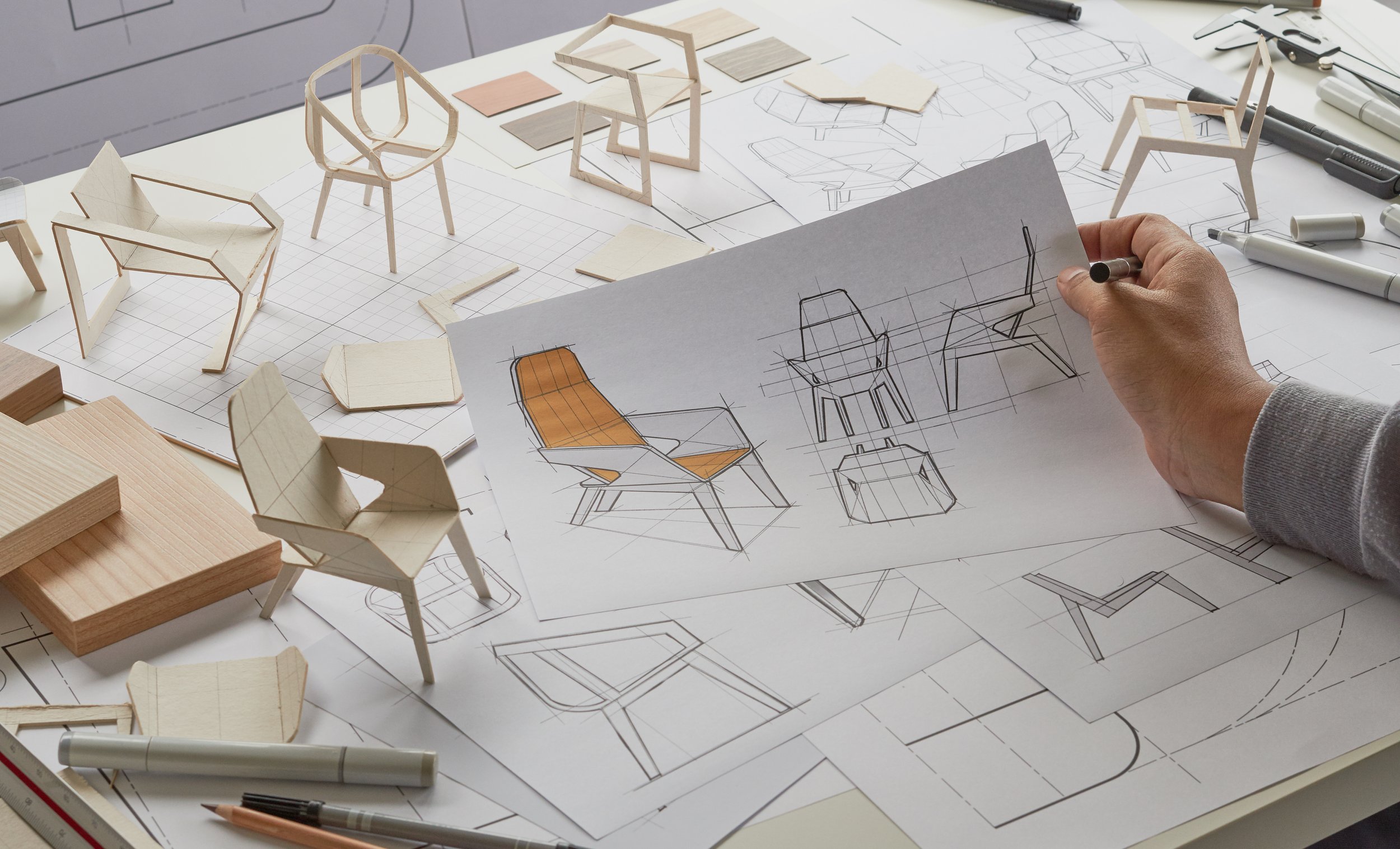
This is where your product gets its personality. Industrial design is all about defining the form, aesthetics, and user experience. A product designer focuses on making the product visually appealing and intuitive to use, ensuring it not only looks great but feels right in a user's hands. For agencies, this is the most critical creative step. It’s where your campaign’s story, brand identity, and core message are translated into a physical object. The design team explores materials, colors, finishes, and ergonomics to create an emotional connection and deliver an unforgettable brand moment. It’s the strategic work that makes a product feel less like an object and more like an experience.
Engineering: Making It Work
Once the vision is set, the engineering team steps in to make it functional and manufacturable. This phase is all about problem-solving and technical precision. Engineers take the approved design and figure out the internal mechanics, electronic components, and structural integrity needed to make it work perfectly, every time. The engineering phase ensures the product can be manufactured efficiently and meets all necessary safety and compliance standards. This is where abstract ideas become concrete, DFM-optimized CAD models. It’s the behind-the-scenes work that guarantees your beautifully designed product is also a high-performance, reliable piece of hardware that can be produced on time and on budget.
Prototyping: Bringing Ideas to Life
Prototyping is where your concept finally takes physical form. This is a critical step where initial designs are turned into tangible models that you can see, hold, and test. It’s your first chance to interact with the product, evaluate its ergonomics, and confirm its functionality. For an agency, this is an exciting milestone—it’s the moment your client can physically experience the idea you pitched. Prototypes allow the team to identify potential issues, gather feedback, and refine the design before committing to expensive manufacturing tooling. It’s an essential process for validating the concept and ensuring the final product is exactly right before it goes into production.
Manufacturing Prep: Getting It Ready for Production
After the design is finalized and the prototype is approved, the firm prepares everything for mass production. This final step is about creating a comprehensive technical package for the factory. Once a product has been designed and tested, the team finalizes all the CAD files, creates master assembly drawings, and compiles a detailed Bill of Materials (BOM) that lists every single component. This meticulous preparation ensures a smooth handoff to the manufacturing partner and guarantees that the product can be produced efficiently, consistently, and at scale. It’s the final bridge between development and production, setting your project up for a successful launch.
How to Choose the Right Consumer Product Design Firm
Finding the right product design firm is a lot like casting the perfect lead for a campaign—it’s all about the right fit. You’re not just looking for someone with technical skills; you need a partner who gets your creative vision, understands agency timelines, and can translate a brand’s story into a tangible object. The best firms act as an extension of your own team, bringing the engineering and industrial design expertise you need to deliver for your clients. Vetting a firm comes down to four key areas: their work, their skills, their process, and their reputation.
Review Their Portfolio and Expertise
Before you even think about hopping on a call, do a deep dive into their portfolio. Look beyond the glossy final shots and ask yourself if their style aligns with your agency’s and your client’s brand. Do they have experience in the type of product you want to create, whether it’s a piece of wearable tech or a custom influencer kit? A strong portfolio showcases not just beautiful products but also a clear thought process. You should be able to see a versatility in their work that proves they can adapt to different brand aesthetics and technical challenges, which is crucial for agency projects that can vary wildly from one client to the next.
Check Their Technical Skills and Tools
A great idea is nothing without the technical skill to execute it. Your partner firm must have a solid foundation in both industrial design and engineering. This means they should be fluent in creating DFM-optimized CAD (Design for Manufacturing) and have a deep understanding of materials and production processes. Ask them about the tools and software they use. More importantly, make sure they follow a human-centered design approach, ensuring the final product isn’t just functional but also intuitive and enjoyable for the end-user. This technical rigor is what separates a true product development partner from a simple design studio.
Understand Their Design Process
Every firm has its own way of working, so you need to find one whose process meshes with yours. A transparent, structured process is a sign of a well-run team. They should be able to walk you through their phases, from initial discovery and concept sketching to detailed engineering, prototyping, and handoff to manufacturing. For agencies, it’s especially important to know how they handle feedback and revisions. The product design journey is iterative, with lots of back-and-forth. You need a partner who is collaborative, communicative, and can keep the project moving forward without getting stuck in endless revision cycles.
Talk to Past Clients
Portfolios and process charts only tell you part of the story. The best way to understand what it’s really like to work with a firm is to talk to their past clients. Don’t be shy about asking for references, and if possible, ask for contacts at other agencies they’ve worked with. Prepare a few key questions. Ask about their communication style, how they handled unexpected hurdles, and whether they delivered on time and on budget. This is your chance to get an unfiltered look at their reliability and professionalism. A firm that is confident in its work will be more than happy to connect you with satisfied clients.
What to Expect to Pay for Product Design
Let’s talk about the big question: what does all this cost? Budgeting for physical product development can feel like a black box, but it doesn’t have to be. The price tag depends entirely on what you’re trying to create and the level of support you need to bring it to life. Think of it as an investment in a tangible, memorable experience for your client’s brand—something that goes far beyond a digital ad.
A full, end-to-end product development project that covers everything from initial research and industrial design to engineering and prototyping can range from $100,000 to $500,000, and sometimes more for highly complex electronics. However, many projects don’t require every single service. You might just need concept sketches for a pitch deck or a manufacturable design for a simple piece of merchandise. A good firm will work with you to define a scope that fits your campaign goals and budget, providing a detailed proposal so you know exactly where your investment is going.
How Firms Typically Charge
Most product design firms charge on a project basis, breaking the work into phases. This is great for agencies because it gives you clear deliverables and cost checkpoints. For example, Phase 1 might be Concept Design, where the firm develops the initial look and feel. Once you approve that, you move to Phase 2: Design & Engineering, where they build the detailed CAD models. Each phase has a set cost, so there are no surprises. Some firms may also offer hourly rates for smaller consultations or retainer agreements for ongoing work, but fixed-fee projects are the most common structure for bringing a new product from idea to reality.
What Drives Up the Cost?
The cost of your project is directly tied to its complexity. A simple, static piece of branded merchandise will cost far less than an interactive device with custom electronics and moving parts. Key factors that influence the final price include the product’s mechanical complexity, the integration of electronics and software, and the materials and finishes you choose. The more unique features, tight tolerances, and advanced engineering required, the more time and expertise are needed. Multiple rounds of prototyping to test and refine the product will also add to the overall product development costs.
Tips for Managing Your Budget
The best way to control costs is to start with a clear plan. Before you even approach a design firm, get your team aligned on the project’s core goals. What is the absolute "must-have" function of this product? What features are just "nice-to-haves"? A detailed creative brief saves countless hours (and dollars) in revisions. Also, be upfront about your budget. A good partner firm can help you value-engineer the design to meet your financial targets without sacrificing quality. Finally, remember that design and engineering fees are separate from the cost of mass production. Your firm can help you get manufacturing quotes, but tooling and production are their own line items.
Key Questions to Ask Before You Hire a Firm
Finding the right product design firm is like casting a key role in a campaign—you need a partner with the right skills, who fits your culture, and who fully understands the vision. Asking detailed questions upfront helps you avoid miscommunications and ensures you find a firm that can truly act as an extension of your team. Think of this as your checklist for vetting potential partners and setting your project up for success from day one. A great partnership starts with great questions, so use these to guide your conversations and find the perfect fit for your agency and your client.
Questions About Scope, Deliverables, and Timeline
Before you sign anything, you need to be crystal clear on what you’re getting, when you’re getting it, and what it will cost. The cost of hiring a product design firm can vary a lot, so it’s important to nail down the specifics. Ask what their proposal includes—are we talking initial sketches, detailed CAD models, functional prototypes, or all of the above? Get a breakdown of the key deliverables for each phase and a realistic timeline with major milestones. It’s also smart to ask how they handle scope changes. Creative projects evolve, so you want a partner who can adapt without derailing the budget or timeline.
Questions About the Team and Communication
You’re not just hiring a firm; you’re collaborating with a team of people. The right fit is everything, especially when you’re working under tight agency deadlines. Start by asking who your main point of contact will be and what their communication rhythm looks like. Will you have weekly check-ins? A shared Slack channel? You need a process that works for your team. Don't be shy about asking to see their portfolio. Look for firms that specialize in consumer product design and have a track record of success with projects similar to yours. The goal is to find a partner who speaks your language and feels like a natural extension of your creative team.
Questions About Manufacturing Support
A beautiful design is only half the battle—it also has to be buildable. This is where a firm’s engineering and manufacturing expertise really comes into play. Ask them directly about their approach to Design for Manufacturability (DFM). How do they ensure the product can be produced efficiently and cost-effectively? Find out what kind of support they offer once the design is finalized. Some firms will hand you the files and wish you luck, while others will help you vet factories and oversee the first production run. Since the next step after design is to prepare for manufacturing, you want a partner who can guide you through that complex process.
Questions About IP and Patents
When you’re creating something new for a client, protecting the idea is paramount. You need to have a clear conversation about intellectual property (IP) right from the start. Ask who will own the final design files and all the IP associated with the project—it should always be your client. If your project involves a unique invention, find out if the firm has experience with the patent process. While they aren't patent attorneys, a good firm will know how to design with patentability in mind and can provide the necessary drawings for a filing. Some firms even have experience getting patents for new ideas, which can be a huge asset for truly innovative projects.
How Are Product Design Firms Different from Other Agencies?
As a creative agency, you’re an expert at collaborating with partners who bring specialized skills to the table. A consumer product design firm is a unique type of partner that bridges the gap between a creative concept and a physical, market-ready product. While a digital agency builds an app and a branding agency creates a logo, a product design firm turns an idea into an object you can hold.
They blend artistry with engineering, focusing on how something looks, feels, and functions in the real world. This distinction is key when you're looking to create tangible brand experiences, from high-tech influencer kits to custom merchandise lines. Unlike other creative partners, their work lives at the intersection of aesthetics, mechanical engineering, and manufacturability. They think about materials, electronics, and how thousands of units will be assembled from day one. This integrated approach ensures your client’s physical product is not only beautiful but also viable for production.
They Focus on the User Experience
Product design firms are built around the principle of human-centered design. This means every decision—from the shape of a button to the texture of a surface—is made with the end-user in mind. It’s about more than just making something look good; it’s about creating an intuitive, enjoyable, and memorable interaction with a physical object.
For your agency, this focus is a massive asset. A product that feels good to use and solves a real problem for the user will create a much stronger connection to your client's brand than a simple piece of branded merchandise. The firm will conduct research to understand user needs, behaviors, and pain points, ensuring the final product resonates deeply with the target audience and strengthens brand loyalty.
They Handle Everything from Idea to Production
One of the biggest differentiators is that a true product design partner manages the entire development lifecycle. They take a project from a sketch on a napkin all the way to a production-ready design. This end-to-end service includes initial research, industrial design, mechanical and electrical engineering, prototyping, and preparing all the necessary files for manufacturing.
This comprehensive product development process saves your team from having to manage multiple vendors like freelance engineers, prototype shops, and manufacturing consultants. A single firm acts as the central hub, ensuring a smooth and cohesive workflow. This integrated approach keeps the project efficient and prevents critical details from getting lost in translation between different teams, which is essential for delivering a high-quality product on time and on budget.
They Connect Design to Business Goals
Top product design firms are strategic partners, not just executors. They understand that a successful product does more than function correctly—it achieves specific business objectives. Whether the goal is to increase market share, build brand awareness, or create a new revenue stream, the firm’s design decisions are tied directly to those outcomes.
They use research and data-driven insights to ensure the product meets a real market need and aligns with your client's brand strategy. By focusing on how the product will captivate an audience and foster loyalty, they help you deliver results that go far beyond a creative campaign. This strategic thinking ensures the final product isn't just an expense but an investment that contributes to long-term business growth.
How Firms Handle Manufacturing
Getting a product designed is one thing; getting it made is another challenge entirely. The journey from a beautiful 3D model to a physical product on a shelf is filled with potential pitfalls. This is where a great product design firm proves its worth beyond just aesthetics. They don’t just hand you a file and wish you luck. Instead, they act as your guide and advocate through the complex world of manufacturing.
A firm with deep production experience understands that how something is made is just as important as how it looks. They anticipate challenges, solve problems before they happen, and ensure the final product lives up to the initial vision. This hands-on approach is what separates a true development partner from a freelance designer. They bridge the gap between creative concept and production reality, making sure your idea is not only brilliant but also buildable, scalable, and profitable. This phase is often the most critical, and having an expert team in your corner can make all the difference.
Designing for Real-World Production (DFM)
Have you ever seen a product that looks amazing but feels flimsy or breaks easily? That’s often a sign that manufacturing wasn't considered during the design phase. Top firms practice something called Design for Manufacturing (DFM), which is a fancy way of saying they design products that can actually be built well and without breaking the bank. A partner with integrated engineering ensures that the product doesn't just look incredible, but that it's also durable, functional, and designed to be manufactured efficiently. This means making smart choices about materials, wall thicknesses, and how parts fit together, all while keeping the factory’s capabilities in mind from day one.
Connecting You with the Right Manufacturers
Once the design is finalized and engineered for production, the next step is finding the right factory to make it. A seasoned design firm won’t just send you a list from Google. They have a curated network of trusted manufacturing partners they’ve worked with for years. They know which factories excel at injection molding, which are best for electronics, and which can handle complex assembly. The firm will help you vet and select the perfect manufacturer for your specific product, budget, and volume. This guidance is invaluable, as it helps you avoid unreliable suppliers and costly mistakes, saving you an incredible amount of time and stress.
Ensuring Quality from Start to Finish
A great firm’s job isn’t over when production begins. They stay involved to ensure the final quality is perfect. They create detailed technical packages, including master assembly drawings and a Bill of Materials (BOM), that give the factory precise instructions. They’ll review initial samples, troubleshoot any issues that come up on the assembly line, and act as your quality control expert. When it’s time to manufacture your product in bulk, this oversight is critical. It ensures that the thousandth unit is just as good as the first, protecting your investment and your brand’s reputation.
Current Trends in Consumer Product Design
When you’re developing a physical product for a brand campaign or a new merchandise line, you’re not just making an object—you’re creating a tangible piece of a brand’s story. Staying current with product design trends is about more than just aesthetics; it’s about understanding what consumers value right now. These trends reflect major shifts in technology, culture, and environmental awareness, and tapping into them can make the difference between a product that feels forgettable and one that creates a genuine connection.
For creative agencies, knowing these trends helps you pitch more relevant, exciting ideas to your clients. When you partner with a product design firm, they should be your guide, showing you how to translate these big-picture ideas into real-world features. The most impactful products today are often sustainable, intelligently connected, and designed with a deep empathy for the end-user. Let’s look at the three biggest trends shaping the products people love and buy.
Sustainability and Eco-Friendly Materials
Consumers are more conscious than ever about the environmental impact of their purchases. In fact, studies show that about two-thirds of consumers are actively changing their buying habits to be more eco-friendly. This isn’t just a niche interest anymore; it’s a mainstream expectation. For product design, this means thinking about sustainability from the very beginning. It involves choosing recycled or renewable materials, designing products that are durable and repairable, and creating packaging that minimizes waste. For your agency, pitching a product with a strong sustainability story gives your client a powerful message that resonates with modern values and builds brand affinity.
Smart Tech and IoT Integration
The line between physical and digital products is getting blurrier every day. The most innovative products often blend hardware and software to create a more dynamic and personalized experience. This is where the Internet of Things (IoT) comes in—everyday objects are being embedded with sensors and connectivity. Think of a branded water bottle that tracks hydration through an app or an influencer kit that unlocks exclusive digital content. For agencies, this trend opens up a whole new world of creative possibilities for immersive campaigns that bridge the physical and digital realms, creating memorable, interactive brand moments.
Putting the User First
Great design has always been about the user, but the focus on a truly human-centered design approach is more intense than ever. This means going beyond just making something that works. It’s about understanding the user’s needs, behaviors, and emotions to create a product that feels intuitive and delightful to use. A product that is thoughtfully designed makes people feel understood and valued. For a brand, this is incredibly powerful. It’s the difference between a customer using your product once and them incorporating it into their daily life, building lasting loyalty along the way.
Red Flags to Watch For When Choosing a Firm
Finding the right product design firm is about more than just finding great designers; it’s about finding a great partner. When you’re bringing a physical product to life for a client, your agency’s reputation is on the line. The last thing you need is a partner who overpromises, under-delivers, or disappears when things get tough. A great firm will feel like a natural extension of your own team, but a bad one can derail your project, blow your budget, and damage your client relationship.
Trust your gut. If something feels off during your initial conversations, it probably is. Vetting a firm is a critical step, and knowing what to look for can save you from a world of headaches down the road. Pay close attention to how they communicate, the work they show, and the way they handle the business side of things. These early interactions are often a preview of what the working relationship will be like. Let’s walk through a few specific red flags that should make you pause and ask more questions.
Poor Communication or Lack of Transparency
Clear, consistent communication is the bedrock of any successful agency partnership. If a firm is slow to respond, gives vague answers, or seems reluctant to explain its process, consider it a major warning sign. You need a partner who can articulate their strategy and keep you in the loop every step of the way. This is especially true when it comes to budget. The cost of hiring a product design firm can vary dramatically based on the project’s complexity, so you need a team that is upfront and transparent about all potential expenses. A great firm will proactively address questions and make you feel confident, not confused.
Warning Signs in Their Portfolio or Process
A slick portfolio is great, but you need to look deeper. Does their work consist solely of 3D renders, or can they show you photos and videos of real, manufactured products? A portfolio heavy on concepts without finished products could indicate a lack of manufacturing experience. You should always check their past work to see if their style and technical skills match your needs. Also, ask them to walk you through their design process. If they can’t clearly explain their steps for research, ideation, engineering, and prototyping, they may lack the structured approach required to get a product across the finish line efficiently and effectively.
Red Flags in the Contract and Pricing
The contract is where promises become legally binding, so don’t skim it. A trustworthy firm will provide a detailed agreement that clearly outlines the scope of work, deliverables, timeline, payment schedule, and ownership of intellectual property. Be wary of vague terms, confusing pricing structures, or any hesitation to put agreements in writing. A contract that doesn’t explicitly state who owns the final design IP is a deal-breaker. For agencies, ensuring your client secures full ownership is non-negotiable. Any firm that isn’t crystal clear on these business fundamentals isn’t professional enough to be your partner.
How to Prepare for Your First Meeting
Walking into your first meeting with a product design firm is a lot like a first date—a little preparation goes a long way. You don’t need to have every detail figured out, but coming in with a clear vision helps set the stage for a successful partnership. It allows the firm to give you a more accurate proposal and shows that you’re a serious partner. Taking the time to organize your thoughts beforehand ensures everyone is aligned from day one and helps you find a team that truly gets your vision.
Define Your Project Requirements
Before the meeting, spend some time outlining the basics of your product idea. You don’t need a full technical specification, but you should be able to clearly state your design goals and what you need for the project. Think about the core concept: What is it? Who is it for? What experience should it create for the end-user?
Try to answer a few key questions:
Function: What is the primary purpose of this product?
Audience: Who are you trying to reach with this item?
Features: Are there any must-have functionalities or "wow" factors?
Aesthetics: What is the desired look and feel? Bring mood boards or brand guidelines if you have them.
Set Clear Goals and Expectations
Beyond the product itself, think about the business objective. Why are you creating this product? Is it a limited-run item for an influencer campaign, a piece of branded merchandise for your client, or a key asset for an immersive brand activation? The project's goal will influence everything from material choices to manufacturing complexity. For example, a product designed for a viral unboxing video has different requirements than one intended for long-term daily use.
Also, consider what you expect from the partnership. Are you looking for a firm to simply execute a fully-formed idea, or do you need a strategic collaborator to help you brainstorm and refine the concept? Be ready to discuss how you envision the working relationship and your ideal communication style.
Prepare Your Budget and Timeline
Let’s talk about the two most important constraints: money and time. The cost of hiring a product design firm varies widely based on the project’s complexity, the services required, and the firm’s expertise. A full-cycle development project can range from $100,000 to over $500,000. Having a budget range in mind isn’t about getting the lowest price; it’s about helping the firm propose a realistic scope of work that aligns with your resources.
Timelines are just as critical, especially for agencies working on campaign-driven projects with hard launch dates. Be upfront about your deadlines. A good firm will tell you what’s feasible and what’s not, and they can help you create a project plan that works backward from your target delivery date.
Related Articles
Product Design Firm Hiring Guide: Costs, Process & Tips | Jackson Hedden Inc
How to Hire a Product Design Firm in 7 Steps — Jackson Hedden
Product Design Success Stories & Client Reviews | Jackson Hedden Inc
Frequently Asked Questions
How involved will my agency's creative team be during the design process? Your team is essential. We see ourselves as your product development arm, not a siloed vendor. You'll be deeply involved in the initial creative phases, setting the vision, and providing feedback at key milestones like concept reviews and prototype reveals. Our job is to bring the technical and engineering expertise to execute your creative direction, ensuring the final product perfectly captures your client's brand story.
Do we need a fully-developed product idea before we contact a firm? Not at all. Many of our best partnerships start with a simple goal or a "what if" question from a campaign brief. You bring the brand insight and the core creative concept, and we'll help you explore the possibilities. We can collaborate from the very beginning to brainstorm ideas, sketch concepts, and figure out what's feasible within your budget and timeline.
How long does it typically take to go from an idea to a production-ready design? The timeline really depends on the product's complexity. A simple piece of merchandise without electronics might take a few months, while a complex smart device could take a year or more. Once we understand your concept, we can provide a detailed project plan with clear phases and milestones. We're used to agency deadlines and will always be transparent about what's achievable within your campaign's launch window.
Why should we hire a full-service firm instead of just a freelance industrial designer? A freelance designer is great for creating a beautiful concept, but a full-service firm ensures that concept can actually be built reliably and at scale. We integrate industrial design with mechanical and electrical engineering from day one. This means we're solving for manufacturability, cost, and functionality throughout the entire process, which prevents costly redesigns and production headaches down the road.
Does your firm handle the actual manufacturing, or just the design? Our core focus is on design and engineering to prepare your product for manufacturing. While we don't own the factories, we manage the critical handoff to production. We connect you with trusted manufacturing partners from our network, provide them with a complete technical package, and oversee the initial production runs to ensure quality control. We act as your advocate to make sure the final product is made exactly as it was designed.