7 Best Industrial Design Consultancy Firms to Watch
Your client loves the campaign concept, but they want to take it further with a custom piece of tech or a high-end influencer kit. The idea is a winner, but your team is left wondering: How do we actually build this? What materials should we use? Who will engineer it? An industrial design consultancy is the answer to these questions. These firms are specialists in turning ambitious concepts into functional, manufacturable products. They handle the technical heavy lifting, from 3D modeling to prototyping, so your team can stay focused on the creative vision. Here’s what you need to know.
Key Takeaways
Offer Physical Products Without the Overhead: Partnering with an industrial design firm gives your agency the technical expertise to bring physical product ideas to life, acting as your on-demand engineering team for everything from campaign assets to branded merchandise.
Translate Vision into Reality with a Strong Brief: Your project's success depends on a clear, detailed brief. This document is the foundation for the entire process, aligning both teams on goals, budget, and brand requirements to prevent costly revisions and delays.
Choose a Partner, Not Just a Vendor: Look for a firm that operates as an extension of your team. A successful partnership is built on a collaborative, iterative process with clear communication and end-to-end support that guides your project from concept all the way through manufacturing.
What is an Industrial Design Consultancy?
Think of an industrial design consultancy as the team that turns a great idea into a real, physical product you can hold. They are the bridge between a creative vision and a manufacturable reality. These firms combine artistry with engineering, focusing on how a product looks, feels, and functions for the person using it. For an agency, this means you can dream up an incredible branded product or a high-impact physical asset for a campaign, and a consultancy has the technical skills to actually build it.
They handle the complex process of figuring out the right materials, the best production methods, and the small details that make a product work flawlessly. It’s their job to ensure the final product is not only beautiful and on-brand but also practical, durable, and ready for the real world.
What They Actually Do
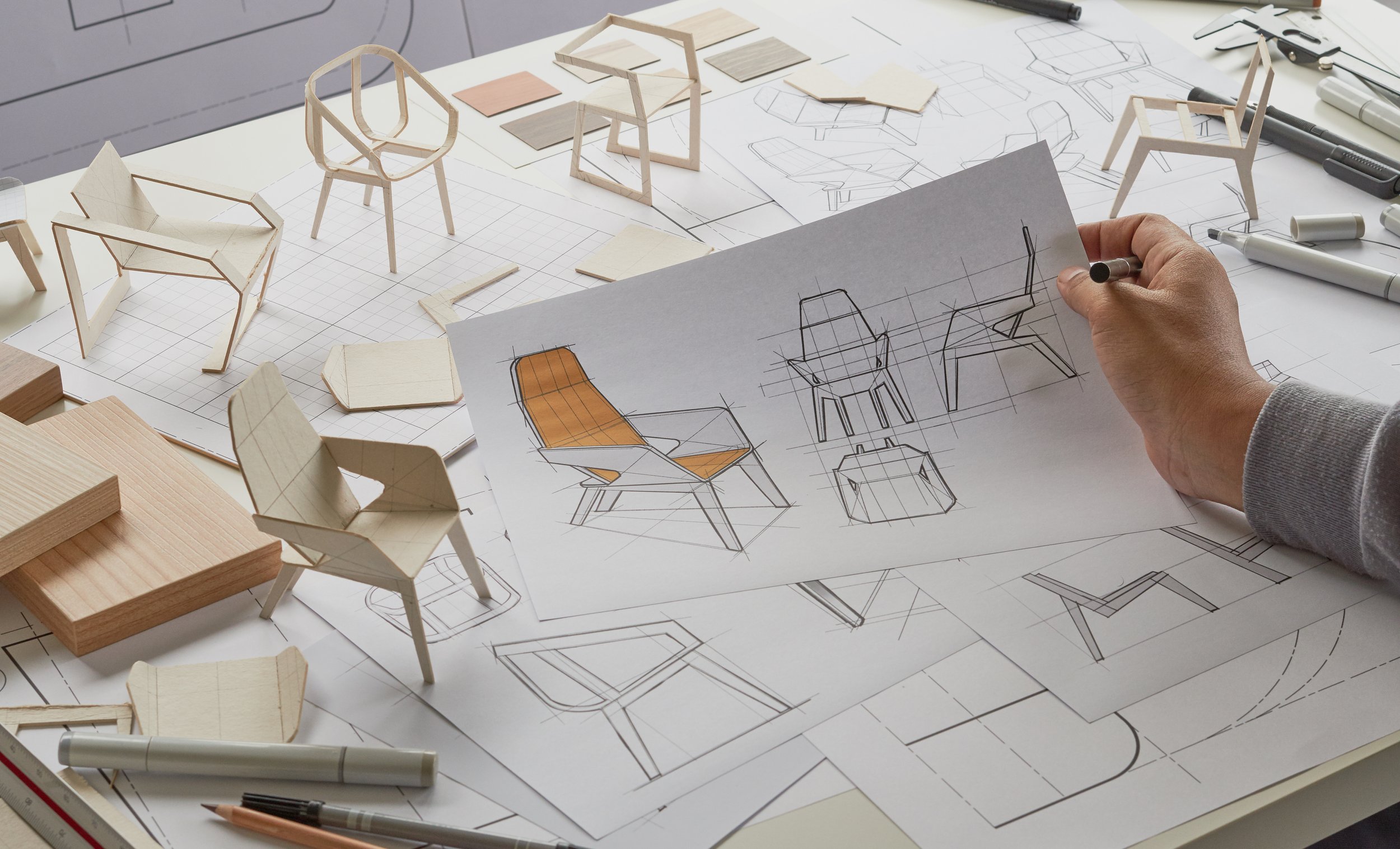
An industrial design consultancy offers a range of services that cover the entire product development journey. This starts with initial brainstorming and sketching to explore different creative directions. From there, they move into detailed 3D modeling and engineering, creating precise digital blueprints for every component. They also build physical prototypes to test the design and function before committing to full-scale production.
Their work includes everything from product design and engineering to branding and user experience. They help select materials, create technical drawings for factories, and even design the packaging. Essentially, they manage all the technical steps required to transform a concept into a market-ready product.
How They Fit Into Your Project
A consultancy can join your project at any stage, but they add the most value when brought in early. By collaborating from the start, they can help shape a creative concept with manufacturing feasibility in mind, saving you time and money down the road. They act as your expert partner, guiding your team through the technical decisions of the product development process.
For agencies, a consultancy can function as an extension of your creative team. You provide the brand vision and campaign goals, and they provide the engineering and design expertise to execute it. They manage the technical complexities, allowing your team to stay focused on the big picture while ensuring the final physical product is a perfect reflection of your idea.
Which Industries Need Them Most?
While industrial design is valuable everywhere, some industries rely on it heavily. Consumer electronics, from smart home devices to wearable tech, need designers to create products that are both functional and desirable. The medical field depends on them to design ergonomic and user-friendly devices. Other key areas include housewares, lifestyle goods, and athletic equipment.
For creative agencies, consultancies are essential for developing high-quality branded merchandise, custom influencer kits, and physical components for experiential marketing campaigns. They bring deep expertise in materials and manufacturing, helping you create a tangible brand experience that feels premium and intentional. They are the key to establishing a product's unique design language and branding.
Why Partner with an Industrial Design Consultancy?
As a creative agency, your team excels at building brands, crafting campaigns, and telling compelling stories. But when a client’s vision includes a physical product—whether it's a piece of branded merchandise, an immersive campaign asset, or a high-tech influencer kit—you enter a new world of complexity. This is where an industrial design consultancy becomes your most valuable partner. Bringing a product from a sketch to a shelf requires a specific set of skills that most agencies don't keep in-house.
Partnering with a consultancy isn't just about outsourcing a task; it's about extending your agency's capabilities. It allows you to confidently pitch and execute ambitious physical concepts without the overhead of a full-time engineering department. A great industrial design firm acts as your behind-the-scenes product development team, translating your creative vision into a tangible, functional, and manufacturable reality. They handle the technical details, from material selection to mechanical engineering, so your team can stay focused on brand strategy and creative direction. This collaboration lets you deliver more innovative, integrated campaigns for your clients and opens up entirely new revenue streams.
Get Access to Specialized Skills and Tools
An industrial design firm brings a deep bench of technical experts to your project. Their teams are fluent in disciplines like materials science, ergonomics, and mechanical engineering—knowledge that is critical for creating a product that is safe, effective, and feels right in a user's hands. They have mastered the complex software and machinery needed for 3D modeling, prototyping, and preparing files for mass production. This specialized expertise ensures your product is designed for manufacturability from day one, preventing costly redesigns and production errors down the line. By partnering with them, you instantly gain access to these skills and tools without the long-term investment.
Launch Your Product Faster
In the agency world, deadlines are everything. An experienced industrial design consultancy understands the need for speed and has a refined process to move projects forward efficiently. They know how to turn ideas into new products quickly by anticipating potential roadblocks and solving engineering challenges before they cause delays. Because they manage the entire development lifecycle—from initial concept refinement and prototyping to creating production-ready specifications—they can streamline the path to launch. This allows your agency to deliver on tight campaign timelines and get the final product into the hands of consumers, influencers, or event attendees right on schedule.
Develop Products More Efficiently
A fragmented development process with separate designers, engineers, and manufacturing vendors can lead to miscommunication, budget overruns, and a compromised final product. The best industrial design consultancies offer a complete, integrated service that keeps every stage of development under one roof. This unified approach ensures that the creative design is always informed by engineering reality and manufacturing constraints. When the same team that designed the product’s look and feel is also responsible for its internal mechanics and production handoff, the entire process becomes more cohesive and efficient. This saves your client money and ensures the final product perfectly matches the original vision.
Create a Product That Stands Out
In a crowded market, a generic product won't capture attention. An industrial design partner helps you create something truly memorable that strengthens a brand’s story. They are experts at balancing aesthetics with functionality to create products that not only look beautiful but also provide a delightful user experience. By focusing on the end-user, they can help you develop a product that feels intuitive, satisfying, and valuable. This thoughtful approach to design ensures the final product doesn't just serve as a promotional item but becomes a desirable object that can truly resonate with an audience and leave a lasting positive impression of the brand.
The Top Industrial Design Consultancies to Know
Finding the right industrial design partner can feel like a huge task, but it really comes down to finding a team that matches your project's specific needs. Some firms are famous for their strategic, human-centered approach, while others are powerhouses of engineering and manufacturability. The best partner for your agency is one that not only gets your creative vision but also has the technical chops to bring it to life flawlessly. To help you get started, here’s a look at some of the top industrial design consultancies, each with its own unique strengths.
Jackson Hedden Inc.: For Engineering-Driven Product Innovation
When your agency needs to turn a brilliant campaign concept into a real, functional product, you need a partner who lives at the intersection of design and engineering. That’s where Jackson Hedden Inc. shines. They operate as a nimble, execution-focused product development team, making them an ideal behind-the-scenes partner for agencies. Their expertise lies in transforming creative ideas into high-performance, manufacturable products, ensuring that the final result is not only beautiful but also technically sound. With a deep focus on DFM (Design for Manufacturing), they handle everything from industrial design and mechanical engineering to prototyping and packaging, making the handoff to production seamless.
IDEO: For Human-Centered Design
IDEO is a legendary name in the design world, and for good reason. They pioneered the concept of human-centered design and design thinking. As one source notes, “IDEO is best known for its human-centered, design-based approach to helping organizations innovate and grow.” This means they start by deeply understanding the people they’re designing for. For agencies, partnering with IDEO is a great move when a project requires extensive user research to solve a complex problem. They excel at uncovering unmet needs and translating those insights into innovative products, services, and experiences that truly connect with people on an emotional level.
Frog Design: For Integrating Digital and Physical Products
In a world where physical products are often connected to digital experiences, creating a seamless journey for the user is key. Frog has built its reputation on this exact challenge. Known for its “long history and global reach, focusing on integrating digital and physical products to create cohesive user experiences,” Frog is the partner you turn to when your project blurs the lines between hardware and software. They help brands create holistic ecosystems where the physical product and its digital interface work together in perfect harmony. This is especially valuable for agencies developing immersive brand activations or connected devices for their clients.
Ammunition Group: For Consumer Electronics
If you’re working with a lifestyle brand that needs to make a bold statement in the consumer electronics space, Ammunition should be on your list. They are “recognized for its work with lifestyle brands, particularly in the consumer electronics sector, creating products that resonate with users.” Famous for their work on iconic products like Beats by Dre headphones, Ammunition has a talent for creating designs that become cultural phenomena. They understand how to blend form, function, and brand identity into a product that not only works great but also becomes a must-have accessory.
Pentagram: For Brand-Focused Design
Pentagram operates differently from most firms. It’s a design cooperative where the world’s leading designers work as partners, giving it a unique creative edge. As “the world’s largest independent design consultancy, offering a wide range of design services including brand identities and strategies,” Pentagram is a powerhouse for projects where the product is a direct extension of the brand. They are masters of visual identity and excel at translating a brand’s core message into a physical object. For agencies looking to create a signature product or packaging that is deeply tied to a brand’s story, Pentagram’s multidisciplinary approach is a perfect fit.
Ziba Design: For Strategic Innovation
Ziba is known for its strategic approach to design, helping companies use product innovation to drive business growth. They go beyond just aesthetics and ergonomics to consider how a new product fits into a brand’s overall market strategy. Ziba excels at identifying future trends and consumer behaviors, then using those insights to create products that give their clients a competitive edge. For agencies tasked with developing a long-term product roadmap for a client, Ziba’s ability to connect design to tangible business outcomes makes them an invaluable strategic partner. They help ensure that every design decision is purposeful and aligned with the bigger picture.
Lunar Design: For Tech-Forward Solutions
Now part of McKinsey & Company, Lunar Design combines top-tier design with powerful business strategy. Lunar is “known for its focus on technology-driven solutions, helping companies innovate in the tech space.” They have a long history of working with some of the biggest names in Silicon Valley, turning complex technologies into elegant, user-friendly products. For agencies with clients in the tech sector, Lunar offers a unique advantage. Their deep technical expertise, combined with McKinsey’s strategic insight, allows them to tackle highly complex engineering challenges while ensuring the final product is commercially successful and desirable to users.
How to Choose the Right Partner
Finding the right industrial design partner is about more than just picking a firm with a slick portfolio. You’re looking for a team that can act as a true extension of your agency—one that gets your creative vision and has the technical chops to bring it to life without a hitch. The best partnerships are built on a foundation of shared experience, technical expertise, and clear communication. When you’re vetting potential firms, focus on these key areas to find a team that will make your project a success. It's about finding a balance between creative synergy and engineering precision, ensuring your big idea becomes a tangible, manufacturable reality. This isn't just another vendor relationship; it's a strategic collaboration that can make or break the physical component of a campaign. The right firm will understand the unique pressures of agency life—tight deadlines, high expectations, and the need to create something truly unforgettable for your client. They should be able to speak your language, match your creative energy, and bring a level of technical rigor that gives you complete confidence in the final deliverable. Think of them as your in-house product development team, ready to translate ambitious concepts into flawlessly executed physical products.
Check Their Portfolio and Industry Experience
Of course, you’ll want to look at their past work, but go deeper than the hero shots. Look for case studies that detail the entire project, from the initial problem to the final solution. Does their portfolio show a range of work, or do they specialize in one area? More importantly, have they worked with agencies before? A firm that understands the pace and demands of campaign-based work—like creating influencer kits, branded merchandise, or immersive event assets—will be better equipped to meet your needs. Look for a partner whose work shows they can translate a brand’s story into a physical product that people will remember.
Confirm Their Technical and Manufacturing Know-How
A brilliant concept is only as good as its execution. Your partner must have a deep understanding of materials, engineering, and manufacturing processes to ensure your product can actually be made on time and on budget. This is where the industrial design studio and the engineering firm aspects merge. Ask them about their experience with Design for Manufacturing (DFM), which is the practice of designing products to be easily manufactured. A partner with strong technical expertise will anticipate production challenges, saving you from costly revisions and delays down the road. They should be able to talk confidently about everything from material selection to assembly.
Look for a Human-Centered Approach
The most successful products are designed with the end-user in mind. A great partner will be obsessed with the user experience, constantly asking questions about who the product is for and what you want them to feel when they interact with it. This human-centered design philosophy ensures the final product doesn’t just look good—it has to be intuitive, functional, and emotionally resonant. For an agency, this means finding a firm that can help you create a tangible experience that strengthens the connection between a consumer and your client’s brand. They should be your strategic partner in creating something truly memorable.
Find a Good Cultural and Communication Fit
Since this firm will function as part of your team, you need to make sure you can work well together. Is their communication style a good match for your agency’s workflow? A good cultural fit means you can have open, honest conversations and that they can adapt to the fast-paced nature of agency projects. Before signing on, establish how you’ll collaborate and communicate. Ask who your main point of contact will be, how they handle feedback, and how often you can expect updates. A partner who values clear communication will keep the project aligned with your vision and prevent misunderstandings.
Ask About Their Design Process
A professional design firm should have a clear, well-defined process they can walk you through. Ask them to outline their typical project phases, from initial discovery and concept development to prototyping, engineering, and manufacturing handoff. A transparent process with clear milestones for feedback and approvals is a sign of an organized and reliable partner. It ensures you know exactly what to expect and when, which helps keep the project on track and on budget. Understanding their workflow upfront will give you the confidence that they can manage the project effectively from start to finish.
How to Clearly Communicate Your Vision
Turning a brilliant campaign concept into a physical product requires a special kind of translation. You have the brand story and the creative vision, but how do you share that with an engineering and design team so they can build it? The key isn't to learn technical jargon; it's to create a shared language built on clarity and context. A successful partnership with an industrial design firm depends entirely on how well you can communicate what's in your head. When everyone is aligned from the start, the entire development process becomes smoother, more efficient, and far more likely to produce something incredible.
Great communication is more than just talking—it’s a structured approach to sharing information. It starts with using straightforward language that everyone can understand, regardless of their background. From there, it’s about establishing clear, consistent channels for conversation and feedback. The foundation of it all is a detailed project brief that acts as a single source of truth for both your team and your design partner. Finally, every creative decision should be anchored to a strategic goal. By focusing on these four areas, you can ensure your vision is understood, respected, and brought to life exactly as you imagined.
Use Simple, Direct Language
You don’t need to be an expert in mechanical engineering or material science to articulate your product vision. In fact, the simpler your language, the better. Avoid industry-specific acronyms or technical terms; instead, focus on describing the user experience, the intended feeling, and the core function of the product. Instead of trying to specify a certain type of plastic, describe the desired finish and durability—is it glossy and rigid, or soft-touch and flexible? Use mood boards, competitor products, and rough sketches to create a strong visual narrative. The goal is to communicate your design ideas in a way that leaves no room for interpretation.
Set Up Clear Communication Channels
Before a single sketch is made, it’s essential to agree on how your teams will communicate. Establish who the primary points of contact are on both the agency and design firm sides to streamline decision-making. Decide on a regular meeting schedule—like a weekly sync-up—to review progress, share feedback, and address any roadblocks. Also, agree on the primary tools you’ll use, whether it’s a dedicated Slack channel for quick questions or a project management platform for tracking deliverables. Establishing these effective communication strategies early on creates a predictable rhythm for the project, ensuring everyone stays aligned and informed from kickoff to launch.
Provide a Detailed Project Brief
Think of the project brief as the constitution for your product. It’s the foundational document that guides every decision and keeps the entire team focused on the same objectives. A strong brief goes beyond aesthetics; it should clearly outline the project’s core purpose, target audience, key features, and desired user experience. Be sure to include practical constraints as well, such as the target budget, timeline, and any mandatory brand guidelines. The more detail you can provide upfront, the more accurately the design firm can scope the project, anticipate challenges, and deliver a product that meets your expectations without costly revisions.
Tie Design Decisions to Your Business Goals
Every element of a product, from its form to its function, should serve a purpose. When providing feedback or making requests, always connect your reasoning back to the project's strategic goals. For example, instead of just saying, "Make the packaging bigger," you could explain, "We need to increase the perceived value for an influencer unboxing experience, so the packaging should feel more substantial." This approach helps your design partner understand the why behind your feedback, allowing them to offer more effective, creative solutions. Connecting design choices to your company's vision ensures the final product isn't just well-designed, but also a powerful tool for achieving your client's business objectives.
Common Challenges to Prepare For
Bringing a physical product to life is an exciting process, but it’s not without its hurdles. Even with the best industrial design partner, you’ll likely face a few common challenges along the way. The key isn’t to avoid them entirely—that’s impossible—but to anticipate them so you can work through them smoothly. When you and your design firm are aligned on how to handle these issues, you can keep the project on track and focused on creating something amazing. Think of these as opportunities to strengthen your collaboration and refine your final product. A great partnership is built on navigating these moments together, turning potential setbacks into smart, strategic decisions that lead to a better outcome.
Avoiding Communication Gaps
Clear communication is the foundation of any successful creative partnership. When your agency and design firm are perfectly in sync, the design team can execute your vision with precision. The goal is to ensure everyone is working from the same information and toward the same objectives. Misunderstandings can lead to delays and revisions that burn through your budget. To prevent this, establish a single point of contact on your team and schedule regular check-ins. Using shared project management tools can also keep everyone on the same page. When you provide clear, consistent direction, you empower your design partner to create a product that is not only beautiful but also perfectly aligned with your client’s business goals and brand strategy.
Balancing Your Vision with the Budget
It’s easy for a big creative vision to clash with the realities of a budget. High-quality materials, complex engineering, and advanced prototyping all come with costs that can add up quickly. The best way to handle this is to be transparent about your budget from the very beginning. A good design consultancy will work with you to find solutions that fit your financial constraints without compromising the core of your idea. They can explain the trade-offs between different materials or manufacturing processes and present options at various price points. This open dialogue about product development costs allows you to make informed decisions that balance creative ambition with financial reality, ensuring you get the best possible product for your investment.
Managing Expectations and Priorities
As the client, your agency is the final decision-maker, but your design partner is there to guide you with their expertise. The challenge lies in managing multiple priorities and stakeholder opinions while keeping the project moving forward. It’s common for new ideas or requests to pop up mid-project, which can lead to scope creep. To prevent this, it’s crucial to define the project scope and key priorities from the outset. A detailed brief that outlines the must-haves versus the nice-to-haves gives your design team a clear roadmap. If priorities shift, have an open conversation about how it will impact the timeline and budget. This ensures everyone’s expectations are aligned and the project stays focused on the most important goals.
Making Room for User Feedback
It’s easy to fall in love with an initial concept, but the true test of a product is how it performs in the hands of its intended audience. That’s why making time for user feedback is non-negotiable. A great design firm will encourage an iterative design process, where prototypes are created, tested, and refined based on real-world insights. This feedback loop is essential for catching design flaws early and ensuring the final product is intuitive, useful, and genuinely resonates with users. Be sure to build time and resources for testing into your project plan. Embracing feedback isn’t about criticism; it’s about collaborating with your end-users to make the product the best it can be.
How Much Does an Industrial Design Consultancy Cost?
Let's talk about the money. Budget is a huge factor in any creative project, and figuring out the cost of industrial design services can feel a bit opaque. The truth is, there’s no simple price tag. The investment can range from a few thousand dollars for a straightforward project to hundreds of thousands for a complex, multi-stage product launch. The final cost depends entirely on the scope, complexity, and timeline of your project. The key is to understand what goes into the pricing so you can budget effectively and find a partner that fits your needs.
Understanding Project vs. Hourly Rates
Most industrial design firms structure their fees in one of two ways: project-based or hourly. A project-based rate is a flat fee for the entire scope of work. This is great for agencies because it provides cost certainty, making it easy to build into your client’s budget. It works best when you have a very clear and detailed project brief.
An hourly rate, on the other hand, is more flexible. You pay for the actual time the team spends on your project. This model is better suited for exploratory work or projects where the scope might evolve. While it offers more adaptability, it can be harder to budget for. A good partner will provide a detailed estimate of hours and keep you updated throughout the process to avoid any surprises.
What Factors Influence the Cost?
Several key factors determine the final price tag. The biggest one is project complexity—designing a simple piece of branded merchandise is very different from engineering a smart device with integrated electronics. The scope of services also plays a major role. Are you just looking for initial concepts, or do you need detailed CAD models, prototypes, and manufacturing support?
Don’t forget to account for the firm’s overhead, which includes the expensive CAD software licenses and high-performance hardware required for professional design and engineering. A firm’s reputation, experience, and the seniority of the team assigned to your project will also influence the cost.
How to Budget for a Long-Term Partnership
If you plan to bring physical products to life for multiple campaigns, think about finding a long-term partner instead of bidding out one-off projects. When you find a firm that gets your agency’s workflow and creative vision, the entire process becomes more efficient. When vetting potential partners, look beyond their portfolio and consider the breadth of their services. Do they have the engineering and prototyping capabilities you’ll need down the line?
Discussing a retainer model can be a great way to secure dedicated time and often a more favorable rate. This approach builds a stronger, more collaborative relationship, allowing the design firm to function as a true extension of your team.
Strategies for Cost-Effective Development
You don’t need an unlimited budget to create something amazing. The most effective way to manage costs is to start with a crystal-clear project brief. The more detailed you are about your goals, deliverables, and constraints, the less time will be wasted on revisions.
Another smart strategy is to approach development in phases. Start with a discovery and concept phase to align on a direction before committing to the full cost of detailed design and engineering. This creates natural checkpoints for you and your client to approve the work and the budget. A strategic partner will also help you find efficiencies, suggesting alternative materials or manufacturing processes that can save money without compromising quality.
What Makes a Partnership Successful?
Choosing the right industrial design firm is a huge step, but the real magic happens in how you work together. A successful partnership isn't just about a great brief and a final deliverable; it's an ongoing conversation that turns a creative vision into a tangible, real-world product. For agencies, this relationship is everything. You’re trusting a partner to execute on a client’s brand, and that requires more than just technical skill—it demands alignment, clear communication, and a shared commitment to quality.
The best partnerships feel less like a vendor relationship and more like an extension of your own team. Your design consultancy should understand the pressures of agency life, from tight timelines to high client expectations. They become your in-house product experts, guiding you through the complexities of engineering and manufacturing so you can focus on the creative and strategic goals. When you find a firm that clicks, you’re not just building a product; you’re building a capability that you can offer to clients again and again.
A Truly Collaborative Process
The best product outcomes come from a partnership, not a handoff. You shouldn't expect to send over a brief and get a perfect product back weeks later with no interaction in between. Instead, great design teams embrace an iterative approach, where the product is continuously refined based on feedback and new insights. This back-and-forth is where the best ideas are sharpened and potential problems are solved early. As an agency, you bring the brand and campaign insight; the design firm brings the engineering and manufacturing expertise. A truly collaborative process allows these two worlds to merge, ensuring the final product is not only beautifully designed but also strategically sound and feasible to produce.
Integrating Feedback at Every Step
For collaboration to work, communication has to be seamless. Effective communication ensures that the design team stays perfectly aligned with your project’s goals and your client’s vision. This means setting up clear channels from day one, whether it’s a dedicated Slack channel, regular video calls, or a shared project management tool. It’s about more than just status updates; it’s about creating a space where you can freely share feedback, ask questions, and tie every design decision back to the core objectives. When your design partner understands the why behind your requests, they can offer more creative and practical solutions that you might not have considered.
Getting Support After Launch
A top-tier design consultancy sees a project through from the initial sketch to the final production run—and sometimes even beyond. Their job isn’t over once the CAD files are delivered. The most valuable partners offer a complete service, guiding you through the often-tricky manufacturing handoff, helping you vet factories, and troubleshooting any issues that arise during production. This end-to-end support is invaluable, especially for agencies that don’t have a deep bench of manufacturing experts. It provides peace of mind and ensures the final product that lands in customers' hands is exactly what you and your client envisioned, without any last-minute surprises.
Keeping Quality High from Start to Finish
Ultimately, a partnership is successful if it produces a high-quality product that people love to use. This goes beyond just looking good. Great industrial designers are obsessed with the user experience—they think about how a product looks, feels, and works, and how it delivers value from the moment someone unboxes it. For an agency, this focus on quality is non-negotiable, as the product is a direct reflection of your client’s brand. A successful partnership is one where both teams are equally committed to maintaining high standards at every single stage, from the first prototype to the final packaged good. This shared commitment ensures the end result feels premium, functions flawlessly, and achieves its campaign goals.
Related Articles
Top Industrial Design Firms: How to Choose the Best Partner | Jackson Hedden Inc
Top Industrial Design Firms: Your Agency's Guide — Jackson Hedden
Frequently Asked Questions
When is the best time to bring in an industrial design firm? The sooner, the better. You should ideally bring them in when your physical product is still a concept. Involving a design partner early allows their engineering and manufacturing expertise to shape the creative direction from the start. This prevents your team from falling in love with an idea that's impossible or incredibly expensive to produce, saving you major headaches, time, and money down the road.
What's the difference between an industrial design firm and just finding a manufacturer? A manufacturer’s job is to produce a product based on a set of exact technical specifications that you provide. An industrial design firm's job is to create those specifications for you. They take your creative vision and handle all the steps in between—design, engineering, material selection, and prototyping—to ensure the product is functional, beautiful, and ready for mass production. They solve the problems before they ever get to the factory.
How involved does my agency need to be in the design process? Your involvement is crucial, but it's focused on creative direction and brand strategy, not the technical details. You'll act as a key partner, providing feedback on concepts and prototypes to ensure the final product aligns with your campaign goals. A good consultancy will manage the complex engineering and manufacturing work, allowing your team to stay focused on the big picture while remaining an active collaborator.
Do we need a fully-formed product concept before we approach a firm? Not at all. You can approach a firm with just a core idea or a problem you're trying to solve for a client. A great design partner will work with you to brainstorm, sketch, and refine that initial thought into a viable product concept. They are experts at translating a strategic goal—like creating an unforgettable unboxing experience—into a tangible, well-executed design.
How can we make sure the final product truly represents our client's brand? This comes down to providing a strong project brief and maintaining open communication. Your brief should clearly outline the brand's identity, target audience, and the story you want the product to tell. Throughout the process, consistently tie your feedback to these brand goals. A successful partnership relies on the design firm understanding not just what to build, but why it needs to look, feel, and function in a way that strengthens the brand.