Mechanical Engineering Services: From Idea to Product
As a creative agency, your strength lies in strategy and vision, not in calculating stress tolerances or selecting the right polymers. Yet, when a campaign calls for a physical product, you're suddenly expected to become a manufacturing expert. Trying to manage the technical side of product development can pull focus from your core work and introduce risks to your timeline and budget. Partnering with a firm that provides mechanical engineering services allows you to offload that technical burden. It means having an expert in your corner to handle the complexities of design, prototyping, and production, letting you focus on delivering a brilliant campaign while they ensure the physical component is a success.
Key Takeaways
Turn creative concepts into functional products: Mechanical engineering provides the technical foundation—from material selection to structural analysis—to ensure your agency's physical product ideas are not only buildable but also reliable and ready for the real world.
Choose a partner who thinks beyond the design: The best engineering firms prioritize Design for Manufacturing (DFM) from the start, ensuring your product is cost-effective to produce at scale. Look for a team that combines technical skill with strong project management and clear communication.
Strategic engineering improves project efficiency and quality: Partnering with an experienced firm helps you avoid common pitfalls like budget overruns and compliance issues, leading to faster timelines, a more reliable final product, and a seamless handoff to the factory.
What Are Mechanical Engineering Services?
Ever had a brilliant idea for a physical product—a custom influencer kit, an interactive display, or a unique piece of branded merchandise—but felt stuck on how to actually make it work? That’s where mechanical engineering comes in. Think of it as the bridge between a creative concept and a functional, real-world object. It’s the discipline that figures out the physics, materials, and mechanisms needed to bring your vision to life reliably and efficiently.
At its core, mechanical engineering is about designing, analyzing, and building physical systems. It’s an incredibly broad field, which is why mechanical engineers work on everything from tiny medical sensors to complex robotic assemblies. For creative agencies, partnering with a mechanical engineering firm means you have a technical expert in your corner. We handle the complex questions—What material is best? Will this part be strong enough? How can we make this affordable to produce?—so you can focus on the creative vision. It’s about transforming a great idea into a tangible product that performs flawlessly and is ready for production.
The Core Services: What's Included?
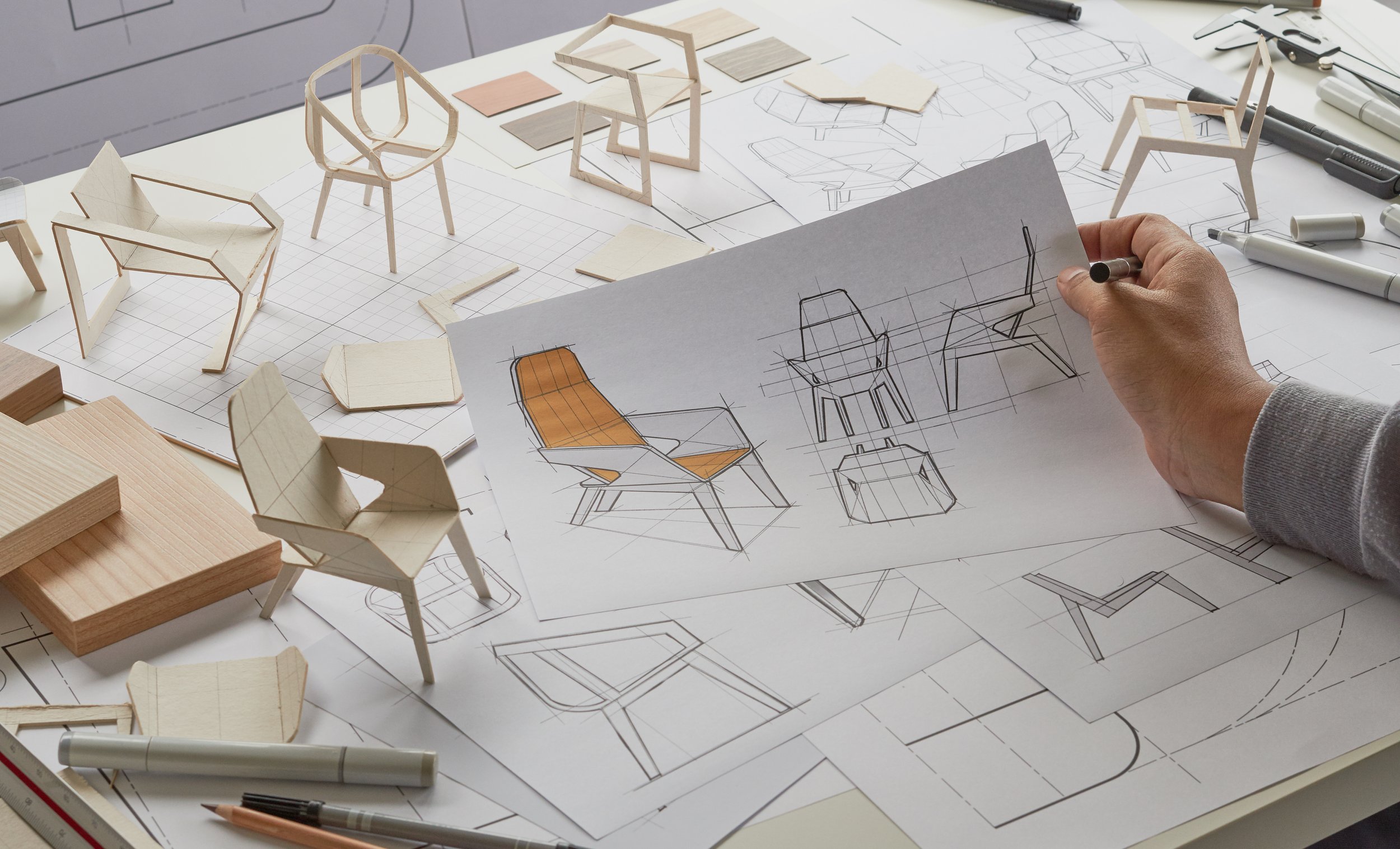
When you work with a mechanical engineering partner, you get access to a specific set of technical skills that turn your idea into a manufacturable product. The process starts with translating your creative brief into a technical one. This includes creating detailed 3D models using computer-aided design (CAD) software, which serve as the digital blueprint for your product. From there, we help with material selection, ensuring the final product has the right look, feel, and durability. We also develop prototypes to test the form and function, allowing you to hold and interact with your idea before committing to a full production run.
Breaking Down Design and Analysis
The design and analysis phases are where we iron out all the technical details. The design phase is about more than just aesthetics; it’s about defining the product’s internal architecture. We figure out how all the components fit and work together, ensuring the final assembly is robust and functional. The analysis phase is like a digital dress rehearsal. Using advanced software, we simulate real-world conditions to test the design for potential weaknesses. We can check for structural integrity, thermal performance, and other critical factors. This proactive approach allows us to identify and resolve issues early, long before any money is spent on tooling or manufacturing.
Getting Your Product Ready for Manufacturing
A great design is only successful if it can be manufactured efficiently and at scale. This is the final and most critical step: preparing your product for the factory floor. Known as Design for Manufacturing (DFM), this process involves refining the design to make it easier and more cost-effective to produce without sacrificing quality. We create a complete technical package for the manufacturer, including master assembly drawings, a detailed Bill of Materials (BOM) listing every single part, and precise specifications. This clear documentation ensures a smooth handoff, minimizes errors, and helps you avoid expensive re-work that could derail your timeline and budget.
When Do You Need a Mechanical Engineer?
Knowing when to call in a mechanical engineer (ME) is key to turning a creative concept into a functional, real-world product. While industrial designers focus on the user experience, aesthetics, and form, MEs handle the physics, mechanics, and structural integrity that make a product work. If your project involves moving parts, thermal management, structural stress, or complex assemblies, you’ll need an ME on your team. They are the technical experts who ensure your brilliant idea is not only buildable but also reliable and safe for the end user.
Bringing New Products to Life
If your agency is tasked with creating a brand-new physical product from scratch, a mechanical engineer is essential. They are the ones who figure out the internal mechanisms, material selection, and structural design that bring a concept to life. MEs work on an incredibly wide range of products, from simple handheld tools to complex robotic devices. They take a design and determine the best way to make it function, last, and withstand real-world use. Think of them as the bridge between a beautiful sketch and a high-performance, manufacturable product that can actually be sold on a shelf.
Building Industrial Systems and Equipment
Does your campaign involve a large-scale physical installation, an interactive retail display, or a complex pop-up experience? This is where mechanical engineering becomes critical. These projects often involve coordinating multiple components, ensuring structural safety, and managing complex assemblies under tight deadlines. An ME’s job is to manage that technical complexity, ensuring that every moving part works in harmony and the final build is safe and durable. They handle the behind-the-scenes physics so your brand activation delivers a flawless and memorable experience for your audience, without any technical glitches.
Creating Consumer Electronics and Smart Devices
For any project involving electronics—from smart home devices and wearables to interactive influencer packages—a mechanical engineer is a must. They design the physical enclosure that protects the sensitive electronics inside, manage heat dissipation to prevent overheating, and ensure the product can survive drops, spills, and daily wear and tear. As consumers increasingly demand more sustainable options, MEs are also at the forefront of designing energy-efficient technologies and using eco-friendly materials. They make sure your tech product isn’t just smart, but also durable and responsibly made.
Developing Medical Devices
When working with clients in the health, wellness, or medical space, the stakes are incredibly high. Mechanical engineers are crucial in the development of any physical medical product, where safety, precision, and reliability are non-negotiable. They are responsible for ensuring that devices meet strict safety standards and function exactly as intended in clinical or home settings. From ergonomic tools for practitioners to at-home wellness gadgets, an ME’s expertise guarantees that the final product is not only effective but also completely safe for the end user, protecting both the consumer and the brand’s reputation.
The Mechanical Engineering Process, Step by Step
Turning a creative concept into a physical product is a structured journey. While every project is unique, the mechanical engineering process follows a reliable path to ensure nothing gets missed. It’s a collaborative effort that moves from big-picture strategy to the smallest technical details, making sure your final product is functional, beautiful, and ready for the real world. This step-by-step approach is designed to manage complexity, reduce risks, and keep your project on track from the first sketch to the final production run.
At Jackson Hedden, we guide our agency partners through every phase, acting as an extension of your team. We handle the technical heavy lifting so you can focus on the creative vision. Let’s walk through the four key stages of bringing a physical product to life.
The Kickoff: Defining Your Project
Every successful project starts with a clear and honest conversation. The kickoff is all about alignment—getting everyone on the same page about the goals, requirements, and constraints. We’ll sit down with your team to define exactly what we’re building, who it’s for, and what success looks like. This includes discussing timelines, budget, key features, and any potential project management challenges we might face. By defining the scope upfront, we create a solid foundation for the entire development process. This initial deep dive ensures that our engineering efforts are perfectly aligned with your creative and business objectives from day one.
From Design to Prototype
This is where your idea starts to take shape. Our engineers and designers work together, translating initial concepts into detailed 3D CAD models. This phase is highly collaborative; we bring together experts in mechanical design, electronics, and materials to solve problems before they become problems. We focus on creating a design that not only looks great but is also functional and manufacturable. Once the digital design is refined, we move on to prototyping. This first physical version of your product allows us to test ergonomics, form, and basic function, giving your team a tangible asset to review and approve before we move forward.
Testing, Refining, and Validating
A prototype is just the beginning. The next step is to put it through its paces with rigorous testing and validation. This phase is critical for ensuring the product is durable, reliable, and safe for users. We test everything from material strength and moving parts to electronic performance and user experience. Based on these results, we refine the design, making adjustments to improve performance and manufacturability. This iterative process of testing and refining helps us manage complexity and ensures the final product meets all technical requirements, industry standards, and your brand’s high expectations.
The Handoff to Manufacturing
Once the design is fully validated, we prepare for the final and most crucial step: the handoff to manufacturing. This isn’t just about sending a file; it’s about creating a comprehensive technical package that gives a factory everything it needs to produce your product perfectly and at scale. This includes DFM-optimized CAD files, master assembly drawings, and a complete Bill of Materials (BOM). We also consider modern production needs, like designing for automation and incorporating sustainable materials where possible. Our goal is to make the transition into production as smooth as possible, ensuring the final product is a true reflection of your agency’s creative vision.
How to Choose the Right Mechanical Engineering Partner
Finding the right mechanical engineering partner is about more than just finding someone who can create a CAD model. For an agency, this is about finding a team that can translate a creative brief into a tangible, high-quality product that wows your client and their audience. The wrong partner can lead to missed deadlines, budget overruns, and a final product that doesn’t live up to the initial vision. The right one becomes a seamless extension of your team, bringing technical precision to your creative concepts.
A great engineering firm acts as your strategic guide through the entire product development process. They should have the technical chops to solve complex problems, the manufacturing savvy to design something that can actually be built, and the communication skills to keep you in the loop every step of the way. When you’re vetting potential partners, focus on four key areas: their technical depth, their approach to manufacturing, their collaboration style, and their project management capabilities. Getting these four things right will set your project up for success from the start.
Deep Technical Expertise
First and foremost, your partner needs to have serious technical skills. This goes beyond just having the right software; it’s about having a team with the experience to anticipate and solve the real-world challenges mechanical engineers face every day. Think material limitations, structural integrity, thermal management, and safety compliance. A team with deep expertise won’t just execute your idea—they’ll refine it, pointing out potential issues before they become costly problems. They can recommend better materials, suggest more efficient mechanisms, and ensure the final product is durable, reliable, and safe for users. This kind of proactive problem-solving is what separates a good engineer from a great one and ensures your client’s product performs flawlessly.
A Focus on Design for Manufacturing (DFM)
A brilliant concept is only as good as its ability to be produced. This is where Design for Manufacturing (DFM) comes in, and it should be a non-negotiable part of your partner’s process. DFM is the practice of designing products in a way that makes them easy and cost-effective to manufacture at scale. An engineering partner that prioritizes Design for Manufacturing will think about production from day one. They’ll consider things like assembly methods, material costs, and tooling requirements during the design phase. This approach prevents the all-too-common scenario where a design gets finalized, only to discover it’s impossibly expensive or complex to build. It streamlines the path to production and protects your timeline and budget.
A Clear Communication and Collaboration Style
As an agency, you live and breathe communication. Your engineering partner should, too. You need a team that can translate complex technical details into clear, understandable updates. Look for a firm that prioritizes a collaborative workflow, asks smart questions, and is genuinely invested in understanding your creative goals. A partner who values clear communication will feel like part of your internal team, not an outside vendor you have to chase for answers. They should be responsive, transparent about progress and potential roadblocks, and able to integrate smoothly with your agency’s process. This alignment is crucial for keeping the project moving forward and ensuring the final product truly reflects the brand’s vision.
Strong Project Management
Finally, great engineering work needs to be supported by equally great project management. A technically brilliant team that can’t manage a timeline or a budget isn’t a true partner. Ask potential firms about their project management process. How do they set milestones, track progress, and handle changes? A partner with strong project management skills will provide a clear roadmap from kickoff to delivery, helping you manage client expectations along the way. They are equipped to handle the common challenges that can arise during development, from supply chain hiccups to unexpected design revisions, without letting the project go off the rails. This gives you the confidence that your product will be delivered on time and on budget.
Why Partner with a Mechanical Engineering Firm?
Bringing a physical product to life for a campaign or brand launch involves a lot more than a great idea. It requires deep technical skill to ensure the final product is functional, safe, and ready for production. For a creative agency, trying to manage this process in-house can quickly pull focus from your core strengths: strategy and creative execution. Partnering with a mechanical engineering firm acts as a strategic extension of your team, giving you access to specialized expertise without the overhead of hiring.
Think of an engineering partner as the technical backbone for your creative vision. They handle the complex problem-solving that turns a concept into a tangible object. This collaboration allows you to confidently pitch and execute ambitious physical projects—from high-tech influencer packages to interactive event installations—knowing the final result will perform flawlessly. A dedicated engineering team manages the entire technical lifecycle, from initial design and material selection to prototyping and preparing for manufacturing. This frees your team to focus on the campaign's success while the engineers ensure the product itself is a winner.
Faster Timelines and Lower Costs
One of the biggest advantages of working with an engineering firm is efficiency. Experienced engineers are masters at managing complexity. They know how to coordinate with different suppliers, interpret vendor data, and keep a project moving forward under tight deadlines. This proactive management helps you avoid the costly delays and redesigns that can derail a project budget.
By bringing in an engineering partner early, you can align the product's design with your budget from the very beginning. They can identify potential roadblocks and find clever solutions before they become expensive problems. This foresight is crucial for keeping your project on schedule and preventing the kind of last-minute scrambles that blow past deadlines and strain client relationships. It’s about turning a potentially chaotic process into a predictable and streamlined workflow.
A Better, More Reliable Product
Great engineering is the difference between a product that just works and one that wows. A skilled mechanical engineering team refines every detail to optimize performance, durability, and the overall user experience. They ensure that the physical product not only looks incredible but also functions perfectly, protecting your client’s brand reputation and delivering a positive experience.
Beyond core functionality, engineering partners can also introduce innovative features and materials that make your product stand out. Whether it’s incorporating more eco-friendly materials to align with a brand’s sustainability goals or designing a clever mechanism that creates a memorable unboxing moment, their technical creativity adds immense value. The result is a higher-quality, more reliable product that makes your agency’s creative concept shine.
A Smoother Path to Production
There’s often a huge gap between a beautiful design and a product that can actually be manufactured. A mechanical engineering firm bridges that gap with a practice called Design for Manufacturing (DFM). This means they design the product from day one with the factory’s capabilities and limitations in mind, ensuring a seamless transition from prototype to mass production.
Your engineering partner will create the detailed technical files—like DFM-optimized CAD models and master assembly drawings—that manufacturers require. This clear, precise documentation eliminates guesswork and reduces the risk of errors on the production line. For your agency, this means you don't have to get tangled in the technical weeds of factory negotiations. Your partner handles the handoff, ensuring the final product matches your approved design perfectly.
Fewer Risks and Easier Compliance
Many products are subject to strict safety and regulatory standards, especially consumer electronics or items intended for children. Navigating these requirements can be a minefield, and a misstep can lead to costly recalls or legal trouble. An experienced engineering firm understands the landscape of product compliance and builds those requirements into the design from the start.
They ensure your product is designed to meet relevant standards, whether it’s for electrical safety, material content, or wireless emissions. By incorporating these considerations early, they help you avoid the devastating discovery that your product can’t be legally sold or distributed. This proactive approach de-risks the entire project, protecting your agency, your client, and the end-user from potential issues down the road.
Common Challenges in Mechanical Engineering (And How to Solve Them)
Even the most exciting product ideas can run into roadblocks during development. Mechanical engineering is a discipline of precision and problem-solving, but that doesn’t mean the process is always straightforward. Unexpected issues can threaten timelines, budgets, and even the final quality of your product. The key isn’t avoiding challenges altogether—it’s having an experienced partner who knows how to anticipate and solve them before they become serious problems.
A great engineering firm doesn’t just build what you ask for; they guide you through the complexities of the process. They foresee potential hurdles related to budget, communication, and regulatory requirements, and they have proven strategies to keep your project moving forward smoothly. By tackling these issues head-on with a clear plan, you can ensure your creative vision becomes a functional, market-ready product without the common headaches. Let’s look at a few of the most frequent challenges and how the right team gets them solved.
Managing Budgets and Scope Creep
One of the biggest fears in any project is watching the budget spiral out of control. This often happens due to "scope creep," where small changes and additions gradually expand the project beyond its original plan. When industrial designers, electrical engineers, and mechanical specialists work in silos, it’s easy for misalignments to cause delays and costly revisions. The solution is a truly collaborative process where all disciplines are integrated from day one. By having a unified team, potential interface issues are identified and resolved early in the design phase, not after prototypes have been made. This approach keeps the project tightly aligned with the initial goals and ensures every decision supports the budget and timeline.
Bridging Communication Gaps
Creative agencies and engineering firms can sometimes feel like they speak different languages. You’re focused on brand story, aesthetics, and user experience; engineers are focused on tolerances, material properties, and manufacturability. A communication gap between these two worlds can lead to a final product that misses the mark. The key is to work with a partner who is fluent in both. An effective engineering team knows how to translate a creative brief into technical specifications without losing the original intent. They ask the right questions, provide clear updates, and make effective collaboration a priority. This ensures the engineering process serves the creative vision, not the other way around.
Meeting Compliance and Industry Standards
Every physical product is subject to a web of regulations and industry standards that govern everything from material safety to electronic emissions. These rules can be complex and vary by region, and failing to meet them can result in costly recalls or prevent your product from ever reaching the market. The challenge is that projects are dynamic, and a design change can impact compliance. The best way to handle this is to design for compliance from the start. An experienced engineering partner understands the regulatory landscape and integrates those requirements into the earliest stages of development. This proactive approach avoids expensive, last-minute fixes and ensures a smooth path to production.
What's Next? Key Trends in Mechanical Engineering
The world of mechanical engineering is always moving forward, and staying aware of the key trends helps you create products that are not just functional, but truly innovative and relevant. For creative agencies and brands, these shifts aren't just technical details—they're opportunities to tell more compelling stories, connect with customers on a deeper level, and build products that reflect modern values. Understanding what’s happening in engineering can directly influence your creative strategy, helping you pitch and produce physical products that feel fresh and forward-thinking. From sustainable materials to smarter production lines, these trends are shaping the future of everything we design and build.
Sustainable and Eco-Friendly Design
Today, a product’s environmental impact is a core part of its story. Consumers and brands alike are looking for more eco-friendly options, and that starts with design. This means thinking beyond just the product's function to consider its entire lifecycle. As an engineering partner, we can help you select sustainable materials, design for energy efficiency, and plan for end-of-life recycling or reuse. This approach, often called circular design, ensures your product aligns with your brand’s values and resonates with environmentally conscious consumers. It’s about creating something that is not only beautiful and useful but also responsible.
The Rise of Smart Manufacturing
Smart manufacturing, or Industry 4.0, is all about using data and automation to make the production process more efficient, flexible, and reliable. Think 3D printing for rapid prototypes, automated quality checks, and interconnected systems that streamline the entire workflow. For your projects, this means we can move from concept to physical product faster than ever. It also opens the door for more customization and on-demand production, which is perfect for limited-edition influencer kits or personalized campaign assets. By embracing smart manufacturing, we can reduce waste, improve quality, and get your final product to market with greater speed and precision.
Innovations in Materials and Digital Tech
The tools and materials we use are evolving at an incredible pace. New advanced materials—like lightweight composites and self-healing polymers—are making it possible to create products that are stronger, lighter, and more durable. At the same time, digital technologies like Artificial Intelligence (AI) and the Internet of Things (IoT) are transforming the design process itself. AI can help us optimize a design for performance in minutes, while IoT integration allows us to create connected, interactive products that offer a richer user experience. These innovations give us a powerful toolkit to bring even the most ambitious creative ideas to life.
How Much Do Mechanical Engineering Services Cost?
This is usually one of the first questions we get, and for good reason. You have a budget to manage and a client to keep happy. While there’s no one-size-fits-all price tag for turning an idea into a physical product, understanding what goes into the cost will help you plan your project and find the right partner. The final price depends on what you’re trying to create, how quickly you need it, and the specific expertise required to bring it to life.
What Influences the Cost?
The cost of mechanical engineering services is directly tied to the complexity and scope of your project. A simple piece of branded merchandise will have a very different budget than an interactive retail display with moving parts and custom electronics. The biggest factors that shape the cost are the project’s complexity, the level of expertise needed, and the specific services you require.
Think of it this way: are you looking for a quick 3D model for a pitch deck, or do you need a full-scale development plan that includes prototyping, testing, and a manufacturing-ready design? The more involved the process, the more time and resources are needed. Specialized projects, like those involving intricate mechanisms or specific regulatory standards, also require a deeper level of engineering expertise. An experienced team is better equipped to handle the common challenges that mechanical engineers face, like tight deadlines and new technologies, which ultimately adds value and ensures a smoother process.
Understanding Different Pricing Models
Mechanical engineering firms typically use a few common pricing structures. A good partner will walk you through the options and help you decide which makes the most sense for your project and budget.
The most common models are hourly rates and fixed-fee pricing. Hourly rates are often used for smaller, more flexible tasks or for initial discovery phases where the full scope isn't yet defined. You pay for the time spent on your project, which offers flexibility if the project needs to pivot.
For projects with a clear scope and defined deliverables, a fixed fee is more common. This gives you a clear, upfront cost for a specific phase or for the entire project. This model works best when everyone has a solid understanding of the goals. At Jackson Hedden, we find that a project-based approach often works best, as it aligns our goals with yours: delivering a fantastic, finished product on budget. When collaborative teams of designers and engineers work together from the start, potential issues are resolved early, keeping the project efficient and cost-effective.
How Timelines Affect Your Budget
Time is a critical factor in any project budget. If you have an aggressive deadline for a campaign launch or a client event, that urgency will likely influence the cost. Rush projects often require us to reshuffle our production schedule and dedicate more resources to meet your timeline, which can result in higher fees.
It’s also important to plan for iteration. Product development is a dynamic process, and it’s normal for plans to evolve. You might get feedback that sparks a new idea, or testing might reveal an opportunity for improvement. While a good partner will build a project plan with clear milestones, it’s wise to remember that unexpected changes can lead to adjustments in both the timeline and the budget. Open communication and a clear project plan are your best tools for keeping everything on track and ensuring there are no surprises along the way.
Related Articles
The Agency Guide to Outsourced Engineering and Design — Jackson Hedden
Top US Product Engineering Firms for Agencies | Jackson Hedden Inc
Frequently Asked Questions
What’s the difference between what you do and what an industrial designer does? That’s a great question, and we work with industrial designers all the time. Think of it this way: an industrial designer is primarily focused on the user—how a product looks, feels, and how someone will interact with it. They are the masters of form and ergonomics. We, as mechanical engineers, focus on making that beautiful vision functional and reliable. We design the internal structure, the moving parts, and the physics that make it work, ensuring it can be manufactured efficiently and won't fall apart after the first use.
How early in our creative process should we bring in an engineering partner? The sooner, the better—ideally, right when you're developing the initial concept. Bringing an engineering team in early doesn't slow down creativity; it strengthens it. We can provide quick feedback on what’s technically possible within your client's budget and timeline. This helps you avoid pitching an amazing idea that ends up being too expensive or complex to produce, saving you from costly redesigns and difficult client conversations down the road.
What kind of information do you need from our agency to give us a quote? To get started, a solid creative brief is the most helpful tool. This should include the project's goals, who the product is for, any must-have features, and your ideal timeline and budget range. Don't worry if you don't have all the technical details figured out—that's what we're here for. Even a clear concept and a few sketches are enough to start a productive conversation about the scope and potential cost.
Our client wants this product to be sustainable. Can you help with that? Absolutely. Designing with sustainability in mind is a core part of modern product development. We can guide you through selecting eco-friendly materials, designing the product to be more energy-efficient, and even planning for how it can be recycled or disassembled at the end of its life. This isn't just a technical choice; it's a powerful way to strengthen your client's brand story and connect with their audience's values.
What happens if we get client feedback and need to change the design mid-project? Changes are a natural part of the creative process, and we build our project plans to accommodate them. When a change request comes in, our first step is to clearly communicate its impact on the project's timeline and budget. We'll work with you to evaluate the feedback and find the best path forward, whether that means making a small tweak or exploring a different design direction. Our goal is to be a flexible partner who helps you respond to client needs without derailing the project.