The 6 Stages of Product Design and Development
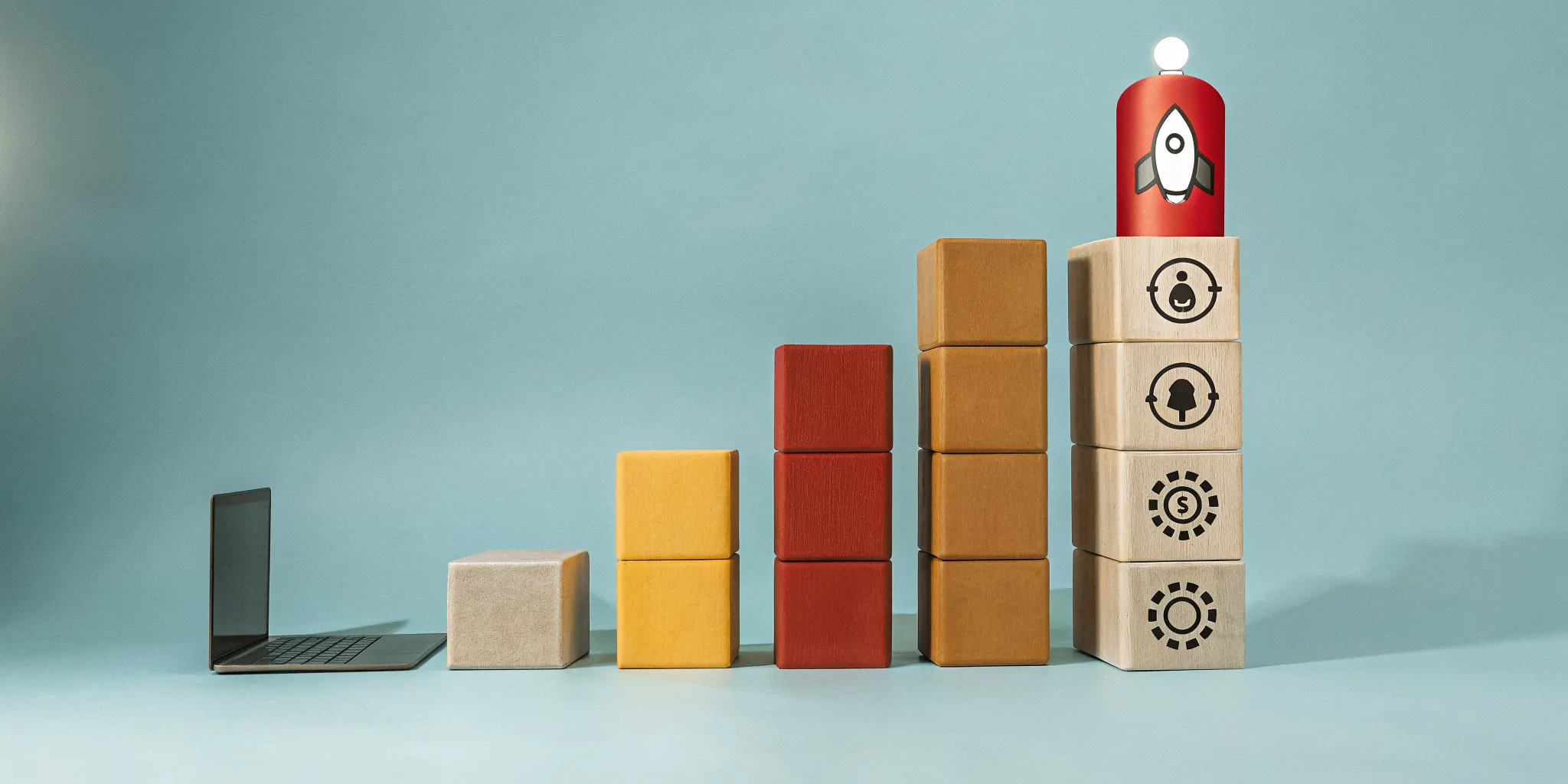
In a world saturated with digital ads, a physical product can create a lasting connection that a banner ad simply can’t. For creative agencies, this presents a huge opportunity to deliver more impactful brand experiences. The challenge, however, is that your team is built for creative strategy, not mechanical engineering. This is where a deep understanding of product design and development becomes your agency's secret weapon. It’s the discipline that ensures your brilliant idea for a physical asset is executed with the same level of quality and precision as your campaign creative. This guide will give you the framework to confidently lead these projects and turn ambitious concepts into tangible results.
Key Takeaways
- A structured process keeps your project on track: Bringing a physical product to life is complex, but a clear, six-stage process from strategy to launch turns chaos into a manageable plan. This framework ensures your creative vision is executed on time and on budget.
- Unite creative and engineering from the start: When designers and engineers collaborate from day one, you solve problems early and create a product that is both visually stunning and technically sound. This integrated approach is the key to a buildable, high-performance outcome.
- Choose a partner with both technical and collaborative strengths: Your product development firm should be more than a vendor; they should be an extension of your team. Prioritize partners with proven engineering skills, relevant industry experience, and a collaborative spirit that fits your agency’s workflow.
What Is Product Design and Development?
Think of product design and development as the complete journey of turning a brilliant idea into a physical product that people can actually use. It’s a hands-on process that brings together creative vision, strategic thinking, and technical engineering to solve a problem or meet a need. At its core, this discipline covers everything from the initial sketch on a napkin to a fully manufacturable, market-ready item. It’s not just about making something look good; it’s about making something that works flawlessly and can be produced at scale.
Where Creativity Meets Engineering
At its heart, product design is where big, creative ideas meet the practical realities of engineering. The process of designing a new product is a complex and multifaceted endeavor, and it all starts with the creative spark: the look, the feel, and the story you want to tell. This is where your brand’s vision comes to life. But a great concept is only half the battle. Engineering is what makes it work. It’s the behind-the-scenes discipline that ensures the product is durable, functional, and can be manufactured reliably. This is the bridge from a beautiful render to a high-performance product ready for the real world.
Why Great Product Design Matters
So, why invest in a rigorous design process? Because great product design is about creating an exceptional user experience. It’s what makes a product feel intuitive, accessible, and satisfying to use. When a product works flawlessly and looks incredible, it reflects directly on the brand, building trust and loyalty. Beyond the user, thoughtful design has real financial benefits. It ensures a product is efficient, effective, and aligned with user needs, which prevents costly mistakes down the line. It’s the difference between a one-off promotional item and a beloved product that elevates a brand for years to come.
The 6 Stages of Bringing a Product to Life
Bringing a physical product from a spark of an idea to a finished item in someone’s hands can feel like a huge undertaking. But it doesn’t have to be chaotic. A structured development process breaks the journey into clear, manageable stages. Following these steps ensures that creative vision and technical execution stay perfectly aligned, which is the key to creating something truly memorable. Whether it's for a branded merchandise line or a high-tech campaign asset, this framework turns ambitious concepts into tangible results, on time and on budget.
Stage 1: Start with Strategy and Ideas
Every great product begins with a strong "why." This initial stage is all about defining the core purpose of your project. What goal does this product need to achieve for your campaign? Who is it for, and what experience do you want to create for them? This is where you brainstorm, research the market, and analyze what competitors are doing. The aim is to land on a solid concept that is not only creative but also strategically sound. As product experts often note, the biggest challenge is creating a market-viable product that aligns with business goals, and that all starts with a clear and focused strategy.
Stage 2: Develop and Refine Your Concept
Once you have a clear strategy, it’s time to give your idea a visual form. This stage is where designers get to work, translating the initial concept into sketches, mood boards, and early 3D renderings. We explore different aesthetic directions, materials, and user interactions to find the perfect expression of your brand’s story. A key part of this process is identifying and understanding market needs to ensure the final design resonates with your target audience. This collaborative phase is all about refining the possibilities until we land on a single, powerful concept that everyone is excited to move forward with.
Stage 3: Build and Test Your Prototype
This is the stage where your product idea leaves the screen and becomes something you can hold. Prototyping is a critical step for testing assumptions about the product’s form, function, and feel. We create physical models, ranging from simple mockups to fully functional units, to evaluate ergonomics, test mechanisms, and confirm the overall user experience. This hands-on approach allows your team to see and interact with the product for the first time. The product design process is iterative, and the feedback gathered here is invaluable for making smart refinements before committing to expensive tooling and production.
Stage 4: Engineer for Real-World Production
With a refined prototype in hand, the focus shifts to engineering. This is where we solve the complex technical challenges to ensure the product is not just beautiful but also robust, reliable, and ready for manufacturing. Our engineers develop detailed CAD (Computer-Aided Design) models, select the right materials, and optimize every component for DFM (Design for Manufacturability). This phase requires purposeful, structured collaboration between designers and engineers to ensure the final product performs flawlessly without compromising the original creative vision. It’s all about balancing aesthetics with the practical realities of production.
Stage 5: Plan Your Manufacturing Handoff
A great design is only successful if it can be produced correctly. This stage is dedicated to creating a comprehensive technical package for the factory. We prepare everything the manufacturer needs for a smooth production run, including master assembly drawings, a complete Bill of Materials (BOM) listing every part, and detailed quality control standards. By anticipating potential obstacles before production begins, we can prevent costly errors and delays. A meticulous handoff ensures that the final products rolling off the assembly line are exactly as we designed them, every single time.
Stage 6: Launch, Learn, and Improve
Your product is finally out in the world and in the hands of your audience. For an agency, this is when your campaign goes live and the physical asset starts making an impact. The work doesn’t stop at launch. This final stage is about gathering feedback, monitoring engagement, and measuring the product’s success against your initial goals. These insights are incredibly valuable for refining future projects and campaigns. A well-designed product development process not only delivers a great outcome for the current project but also builds knowledge that makes the next one even better.
What Tools and Methods Drive Great Products?
A brilliant idea is just the start. Turning that spark into a physical product that people can hold, use, and love requires a structured process powered by the right tools. Think of it like building a house: you wouldn't start without a blueprint, a skilled crew, and the proper equipment. In product development, our blueprints are digital models, our crew is a mix of designers and engineers, and our equipment ranges from advanced software to rapid prototyping machines. This combination of technology and methodology is what ensures a smooth journey from a sketch on a napkin to a product on a shelf.
For creative agencies, understanding these tools and methods is key to a successful partnership. It helps you see how your vision is being translated into a tangible object, every step of the way. It’s not about getting lost in the technical weeds; it’s about appreciating the craft and precision that go into making something real. A well-defined process keeps everyone aligned, from your creative team to our engineers, ensuring the final product is not only beautiful and on-brand but also functional, manufacturable, and delivered on time. It’s this disciplined approach that transforms creative concepts into category-defining products.
Key Software for Design and Engineering
Behind every great product is a suite of powerful software. We start in the digital world, using CAD (Computer-Aided Design) programs like SolidWorks to build precise 3D models of every component. This is where we define the form, fit, and function before anything physical is ever made. For client presentations and campaign visuals, we use rendering software to create photorealistic images that show exactly how the final product will look. To keep complex projects organized, we rely on requirements management platforms that ensure every stakeholder’s needs are tracked and met, preventing miscommunication and keeping the project focused on its core goals.
Frameworks That Keep Projects on Track
Great tools are only effective within a solid framework. We use an iterative design process, which means we build, test, and refine in cycles. Instead of waiting until the end to see if something works, we continuously improve the product based on feedback. A key part of this is establishing a clear review cycle that includes your team and other key stakeholders. This collaborative loop ensures your creative vision stays aligned with the engineering realities. These structured check-ins prevent surprises, keep the budget in check, and make sure the project moves forward efficiently. It’s the system that allows creativity to flourish without losing sight of the finish line.
Modern Prototyping Technologies
Prototyping is where digital ideas become physical realities. We use technologies like 3D printing and CNC machining to create tangible models you can hold and test. Early-stage 3D prints are perfect for quickly checking ergonomics and aesthetics, while later-stage, higher-fidelity prototypes let us test mechanical functions and material finishes. This hands-on approach is invaluable. It allows us to gather direct feedback, whether from your internal team or a small focus group of users. By identifying and solving potential issues at the prototype stage, we save significant time and money before committing to expensive manufacturing tooling. It’s the ultimate reality check for any design.
What Are the Common Roadblocks in Product Development?
Bringing a physical product to life is an exciting process, but it’s rarely a straight shot from idea to finished product. Every project, big or small, hits a few bumps along the way. Knowing what to expect can help you prepare for these challenges and keep your project on track. Think of these roadblocks less as stop signs and more as detours that, with the right partner, you can easily work around.
From balancing a client’s creative vision with engineering realities to making sure the final product can actually be produced on time and on budget, there are a few common hurdles. Let’s break down the most frequent challenges you’ll encounter and why they happen.
Balancing Form with Function
This is the classic push-and-pull of product development. Your team has a stunning creative concept, but the engineering team says it’s not structurally sound or the electronics won’t fit. Product design often involves working through these kinds of conflicting requirements to find a solution that is both beautiful and functional. The goal isn’t to sacrifice one for the other. Instead, it’s about smart integration, where the design enhances the function and the engineering supports the aesthetic vision. This requires constant collaboration between designers and engineers who can find creative compromises without watering down the core idea.
Meeting Deadlines and Sticking to Budgets
For agencies, timelines and budgets are everything. Yet, product development is a notorious balancing act where unforeseen issues can cause delays and drive up costs. Scope creep, where new features or requests are added mid-project, is a common culprit. So are unexpected technical hurdles that require more time for research and problem-solving. The key to staying on course is setting clear, realistic milestones from the start and maintaining open communication. A good development partner will be transparent about potential risks and work with you to make informed decisions that protect your timeline and budget.
Ensuring Your Product Can Actually Be Built
A product concept can look perfect in a 3D render, but that doesn't mean it's ready for the real world. One of the biggest roadblocks is designing something without considering the realities of production. This is often called "Design for Manufacturability," or DFM. It means thinking about materials, assembly, and costs from the very beginning. A design that requires overly complex tooling or rare materials can become incredibly expensive or even impossible to produce at scale. An experienced engineering team designs with manufacturing in mind, ensuring the final product isn't just innovative but also practical to build.
Using User Feedback to Improve the Design
It’s easy to fall in love with an idea and design it in a bubble. But without feedback from the people who will actually use the product, you risk creating something that misses the mark. Inadequate user feedback can lead to a product that’s confusing, uncomfortable, or simply doesn’t solve the right problem. The best way to avoid this is to adopt an iterative approach. This means building prototypes, getting them into users' hands early and often, and using their insights to refine the design. This feedback loop is critical for creating a product that truly connects with your audience.
How to Overcome Product Development Hurdles
Every product journey hits a few bumps. Whether it’s a technical snag, a budget surprise, or a timeline shift, challenges are part of the process. The key isn’t to avoid them entirely (that’s impossible) but to build a process that can handle them gracefully. Turning a brilliant idea into a physical product requires navigating a complex path, but with the right strategy, you can move past roadblocks without derailing your project.
Success often comes down to a few core principles: getting your creative and technical experts on the same page from the start, creating a system for smart feedback, setting crystal-clear goals, and never losing sight of how the product will actually be made. Think of these as your guardrails. They keep the project focused, efficient, and grounded in reality, even when you’re aiming for something completely new. By building these practices into your workflow, you transform potential crises into manageable problems. This proactive approach not only saves time and money but also leads to a much stronger final product. It’s about replacing uncertainty with a clear, actionable plan that everyone on the team can follow.
Get Your Creative and Technical Teams in Sync
The magic happens when your creative visionaries and your engineering experts work as one team, not as separate departments in a relay race. When designers and engineers collaborate from day one, they can blend ambitious ideas with practical solutions. This prevents the classic scenario where a beautiful design gets handed off, only to be sent back with a long list of reasons why it can’t be built. Instead, they can adopt an iterative approach, refining the concept together.
This creates a synergistic relationship where aesthetics and functionality inform each other. The engineer can suggest a new material that opens up a design possibility, while the designer can push for a form that challenges the engineer to find a clever structural solution. This constant dialogue ensures the final product is both stunning and sound.
Create a Smart Feedback Loop
A good feedback loop is your project’s early warning system. It’s a structured process for gathering, discussing, and acting on input at every stage. Instead of waiting until the end to see if something works, you build in checkpoints to test ideas and catch issues early. Anticipating potential obstacles during the initial design phases helps your team make informed decisions before you’ve committed to expensive tooling or large-scale production.
This is where prototyping becomes so valuable. A physical model, even a simple one, makes an idea tangible. It allows your team, stakeholders, and even potential users to interact with the concept and provide concrete feedback. This process turns abstract conversations into practical problem-solving, ensuring you’re refining the design based on real-world insights, not just assumptions.
Set Clear Goals and Milestones
A product development project without clear milestones is like a road trip without a map. You might get somewhere eventually, but it probably won’t be on time or on budget. Establishing a clear review cycle with defined goals keeps everyone aligned and moving in the same direction. These milestones act as critical checkpoints where interdepartmental teams can review progress, approve next steps, and make sure the project is still on track.
Breaking the project into smaller, manageable phases makes the entire process less overwhelming. It provides clear definitions of "done" for each stage, which helps prevent scope creep and ensures everyone is working toward the same objective. For agencies and their clients, this transparency is crucial for building trust and managing expectations from kickoff to launch.
Innovate Without Sacrificing Manufacturability
Pushing boundaries is exciting, but the most innovative idea is useless if it can’t be manufactured efficiently and affordably. The challenge is to dream big while staying grounded in the realities of production. A well-designed product development process addresses this from the very beginning by integrating Design for Manufacturability (DFM) principles into every decision.
This means thinking about materials, assembly, and tooling right from the initial concept sketches. True innovation isn’t just about a futuristic shape; it’s about finding a clever way to produce that shape at scale. By balancing creative exploration with engineering logic, you can ensure your final product is not only groundbreaking but also commercially viable. This strategic foresight is what separates products that make a splash from those that never make it off the drawing board.
What’s Next in Product Design and Development?
The world of product design is always moving, and staying ahead of the curve is what separates a good product from a category-defining one. For creative agencies, these shifts aren’t just trends; they’re opportunities to create more meaningful, memorable, and effective physical experiences for your clients. It’s about more than just making something that looks cool. It’s about designing products that are smarter, more responsible, and deeply connected to what people actually want and need. When you can bring these forward-thinking concepts into a pitch, you’re not just selling a product idea, you’re selling a vision for the brand’s future.
Understanding what’s next helps you pitch bolder ideas and deliver work that truly resonates. Whether it’s building a product with a sustainable story, using new tech to get to market faster, or simply creating something so intuitive it feels like magic, these are the forces shaping the future of physical products. Keeping these principles in mind will help ensure the products you help create aren’t just part of the conversation, but leading it. From initial concept to the final unboxing, these trends are redefining what it means to bring a great idea to life. They give you a framework for innovation and a language to discuss product strategy with clients, ensuring the final result is not only beautiful but also relevant and impactful.
Designing for Sustainability
Sustainability is no longer a nice-to-have; it’s a core expectation. This has given rise to circular design, an approach where you design products with their entire lifecycle in mind. Instead of a linear path from factory to landfill, you’re thinking about how a product can be reused, repaired, or recycled from the very beginning. This means choosing sustainable materials, minimizing waste during production, and planning for what happens at the product’s end-of-life. For agencies, this is a powerful storytelling tool. A product designed with sustainability in mind gives your client’s brand a tangible way to show they care, creating a deeper connection with their audience.
How AI Is Changing the Design Process
Artificial intelligence is rapidly becoming a powerful co-pilot for designers and engineers. AI-driven tools can generate thousands of design variations in minutes, helping teams explore creative possibilities that would have been impossible to imagine manually. This process, known as generative design, helps optimize products for performance, weight, and material usage. At the same time, the rise of low-code platforms is making development more accessible, allowing for faster prototyping and iteration. For agencies working on tight timelines, these tools can dramatically speed up the development cycle, turning ambitious ideas into functional prototypes faster than ever before.
Putting the User at the Center of Design
Great products feel like they were made just for you. That’s the result of a relentless focus on the end-user. This user-centered approach involves an iterative process of designing, testing, and refining based on real human feedback. By continuously gathering user insights, you can be sure you’re solving the right problems and creating an experience that is genuinely helpful and enjoyable. For a branded product or campaign asset, this is critical. A product that is intuitive and delightful to use creates a positive emotional connection, making the brand experience far more impactful and memorable than one that is frustrating or confusing.
The Power of Simple, Intuitive Products
In a world cluttered with complexity, simplicity stands out. We’re seeing a strong shift toward clean, minimalist designs where every element has a purpose. This "less is more" philosophy isn’t just about aesthetics; it’s about creating products that are incredibly easy and intuitive to use. When a product’s function is immediately clear without needing a manual, it feels effortless and elegant. For agencies, this is a way to communicate brand confidence. A simple, well-executed product suggests a focus on quality and a deep understanding of the user’s needs, allowing the design itself to speak volumes.
How to Choose the Right Product Design Partner
Finding the right partner to bring your agency’s physical product idea to life is about more than just finding a great designer. You need a team that can bridge the gap between a creative concept and a tangible, manufacturable product. The right firm will act as an extension of your own team, bringing the technical expertise needed to execute your vision without a hitch. When you’re vetting potential partners, focus on their technical skills, relevant experience, collaborative spirit, and business practices. This approach ensures you find a team that can deliver a final product that is as functional and well-engineered as it is beautiful.
Look for Deep Technical and Engineering Skills
A great idea is only as good as its execution. Your partner needs a strong foundation in industrial design and engineering to ensure your product not only looks good but also works flawlessly and can actually be built. Look for a firm that understands the entire development process, from material selection to mechanical engineering and electronics. They should be able to anticipate and solve the common product development challenges that can derail a project. Ask about their approach to Design for Manufacturing (DFM), which is key to creating a product that is efficient and cost-effective to produce at scale. A partner with deep technical skills will save you time, money, and headaches in the long run.
Review Their Portfolio and Industry Experience
When you review a firm’s portfolio, look for proof that they can deliver on projects similar to yours. Go beyond the polished final images and look for case studies that show their process. Do they have experience with the materials, technologies, or production scales you need? A strong portfolio demonstrates a track record of turning ideas into successful, real-world products. It also shows that they understand how to incorporate feedback and refine designs based on user insights. You want a partner who has not only created beautiful objects but has also solved complex problems for clients with goals similar to yours.
Find a Partner Who Collaborates Well
Your product design firm should feel like a true partner, not just a vendor. Since creative work depends on clear communication, it’s essential to find a team that fits your agency’s workflow. Ask about their collaboration process and the tools they use to keep projects moving. In an environment where many teams are distributed, strong workflow collaboration is non-negotiable. Look for a nimble, responsive team that can integrate with your existing systems, whether that’s through shared Slack channels, video meetings, or collaborative design platforms. The right partner will be proactive, transparent, and ready to work alongside your creative team every step of the way.
Align on Timelines and Budget from Day One
Clear expectations are the foundation of a successful project. Before signing any contracts, make sure you and your potential partner are completely aligned on the project scope, timeline, and budget. A great firm will be transparent about their process and provide a detailed plan with clear milestones. Ask how they handle feedback, revisions, and unexpected changes to avoid scope creep later on. Establishing a clear review cycle from the beginning ensures everyone is on the same page. This initial conversation is a great test of their professionalism and will set the tone for your entire partnership.
Start Your Product Development Project
Before you dive into sketches and prototypes, laying a solid foundation is the most important thing you can do for your project. A great product doesn't just appear; it’s the result of clear goals, smart planning, and a team that’s ready to execute. Taking the time to get organized at the start saves you from headaches, budget surprises, and timeline shifts down the road. Think of these first steps as the strategic brief for your product. They ensure that your creative vision is grounded in a plan that can actually be built, on time and on budget.
Define Your Project Scope and Goals
First things first: what are you actually making, and why? A clear project scope is your North Star. It’s where you define the product’s purpose, its core features, and who it’s for. One of the biggest challenges in product design is failing to understand the market needs, so get specific. Is this a piece of high-tech merch for a product launch, an immersive asset for a brand activation, or a custom package for influencers?
Write down your non-negotiables and your "nice-to-haves." This document will guide every decision, from material choices to engineering requirements. A well-defined scope prevents your project from spiraling into something bigger and more expensive than planned, ensuring the final product perfectly aligns with your campaign’s strategic goals.
Plan Your Budget and Investment
Let’s talk money. A product idea is only as good as the budget that backs it. Before development kicks off, you need a realistic financial plan. A well-planned budget is essential for allocating resources effectively and avoiding overspending. Think beyond the initial design and prototyping costs. You’ll need to account for materials, engineering, tooling for manufacturing, packaging, and shipping.
Break down your expected costs for each stage of the development process. This gives you and your client a clear picture of the total investment required. Having this financial roadmap from day one allows you to make smart trade-offs, protects your margins, and ensures your project stays on track without any last-minute financial surprises.
Prepare Your Team for the Process
Bringing a physical product to life is a team sport. Your creative team has the vision, and your engineering partner has the technical expertise to make it real. The key is getting everyone in sync from the start. Establish a clear workflow for communication and feedback. Who makes the final call on design changes? How will you share files and track progress?
Setting up a framework for structured collaboration is critical for keeping the project moving smoothly, especially when working with external partners. When you align team efforts early, everyone understands their role and what’s expected of them. This preparation ensures that creative feedback is captured accurately and technical constraints are addressed before they become roadblocks, creating a seamless path from concept to production.
Related Articles
- Product Design Process: The 5 Essential Steps — Jackson Hedden
- 5 Key Stages in Product Design Success
Frequently Asked Questions
How long does the product development process typically take? There’s no single answer, as the timeline depends entirely on the product's complexity. A simple piece of branded merchandise might move from concept to manufacturing handoff in a few weeks. A more complex electronic device with custom parts could take several months. The key factors that influence the timeline are the intricacy of the mechanics, the need for custom electronics, and the number of revisions during the prototyping phase. A clear project scope from the start is the best way to establish a realistic schedule.
Our team is creative, not technical. How involved do we need to be in the engineering stages? Your primary role is to be the guardian of the creative vision. You don’t need to understand the physics of a snap-fit or the specifics of a circuit board. Your product development partner handles that. Your involvement in the technical stages is focused on checkpoints and approvals. We’ll show you how the engineering decisions affect the look, feel, and user experience, so you can provide feedback that keeps the project aligned with your brand goals without getting lost in the technical details.
What's the real difference between a prototype and the final manufactured product? Think of a prototype as a dress rehearsal and the final product as opening night. Prototypes are made to test specific things: one might be built to check the product's size and feel in your hand, while another might be made to test a mechanical function. They are often created using faster, more expensive methods like 3D printing. The final product, however, is made using mass-production processes like injection molding. It’s built from the final materials and is optimized for durability, cost, and consistency across thousands or millions of units.
What happens if we need to make a major change to the design mid-project? Changes are a natural part of the creative process, and a good development plan is built to accommodate them. If a change is needed, we first assess its impact on the project's timeline, budget, and manufacturing feasibility. Minor tweaks during the early design and prototyping stages are relatively easy to implement. Larger changes requested after engineering is complete or tooling has been made are more complex, but not impossible. The key is open communication, so we can address the request strategically and find the best path forward together.
What’s the single biggest mistake to avoid when starting a new product project? The most common mistake is rushing through the initial strategy phase. It’s tempting to jump straight into sketching cool ideas, but a project without a clearly defined goal, target audience, and budget is set up for problems later on. Taking the time to create a detailed project scope and align on the core objectives is the most important investment you can make. This initial planning prevents scope creep, manages expectations, and ensures every decision serves the ultimate purpose of the product.