How to Choose a Product Development Partner
In a world of fleeting digital ads, a tangible brand experience can make an unforgettable impact. Your clients are looking for that "wow" factor, and offering custom-designed physical products is a powerful way to deliver it. But expanding your services into industrial design and engineering feels like a massive leap. It doesn’t have to be. By collaborating with the right product development partner, your agency can confidently pitch, design, and deliver incredible physical assets without the overhead of a full-time technical team. This article is your guide to finding that perfect partner and adding a powerful new capability to your agency’s arsenal.
Key Takeaways
Gain Instant Technical Expertise: A product development partner gives your agency immediate access to industrial designers and engineers, allowing you to confidently execute physical product campaigns without the time and expense of hiring an in-house team.
Prioritize Partnership Fit Over Portfolio Alone: Look beyond case studies and assess a firm’s communication style and experience with agency workflows. The right partner acts as a seamless extension of your team, protecting your client relationships and project timelines.
Build a Framework for Success from Day One: A successful project relies on a clear foundation. Start with a detailed creative brief, establish a communication plan with key milestones, and always sign an NDA to protect your client's intellectual property.
What is a product development partner?
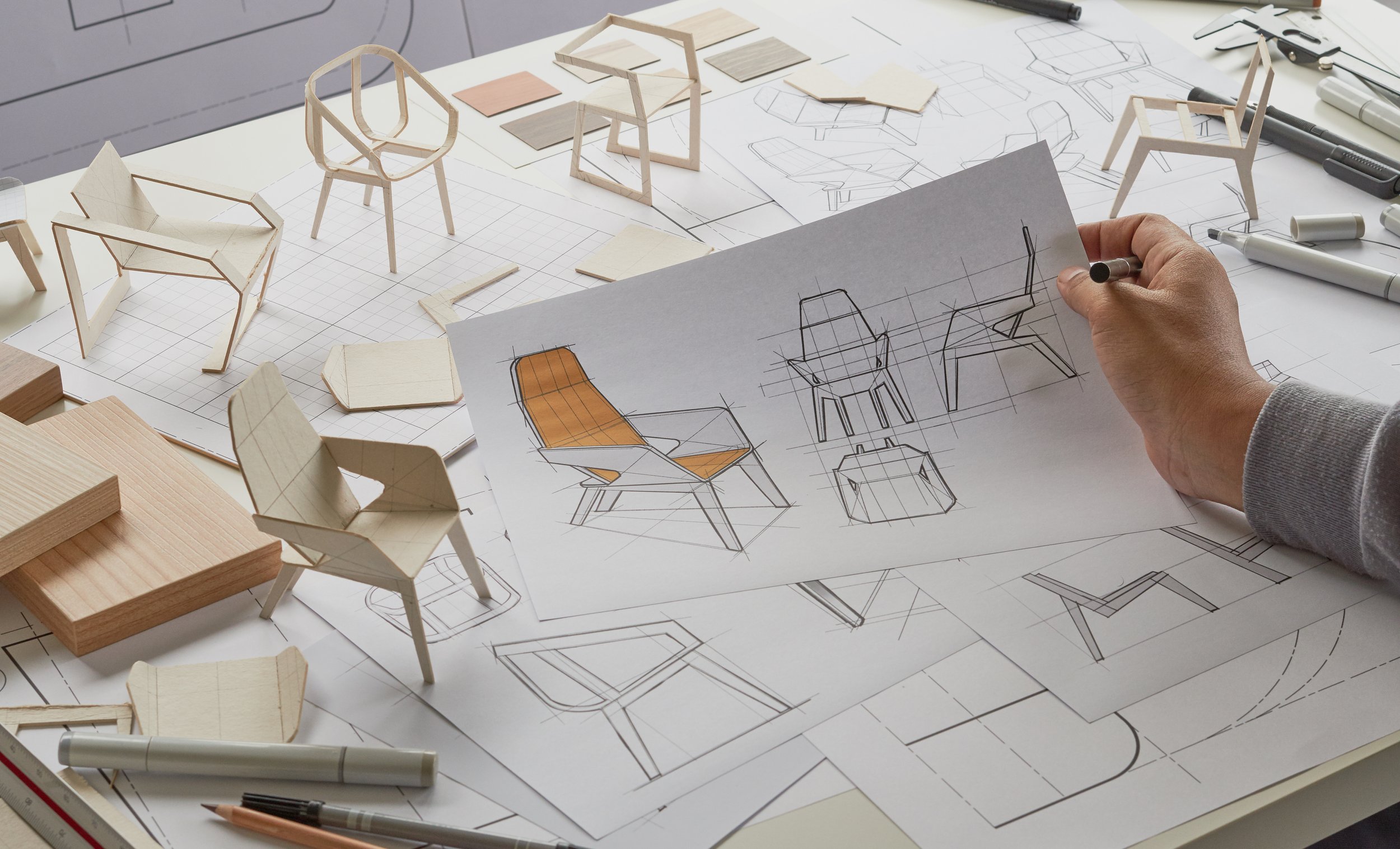
Think of a product development partner as the technical and strategic extension of your creative team. They are the industrial designers, engineers, and manufacturing experts who turn your agency’s brilliant concepts into tangible, physical products. When your client wants to launch a branded smart device, a custom piece of merchandise, or an unforgettable influencer package, a product development partner is the team that handles everything from the initial sketch to the final, production-ready design.
These partnerships are built on collaboration. It’s not about handing off a brief and hoping for the best. Instead, it’s an integrated process where your creative vision is combined with engineering precision. A great partner works with you to make sure the final product is not only beautiful and on-brand but also functional, manufacturable, and within budget. They are the bridge between a great idea and a real-world object, ensuring your most ambitious physical concepts can actually be made.
Their role in bringing your creative vision to life
A product development partner’s primary role is to translate your creative goals into technical reality. They provide the specialized expertise your agency might not have in-house, like mechanical engineering, electronics design, or materials science. This collaboration is crucial, as a successful product development partnership is built on a foundation of trust, open communication, and a shared vision for the final product. They act as your expert guide, helping you make informed decisions that protect the integrity of your idea while ensuring it’s feasible for production.
Ultimately, the right partner makes your team stronger. They don’t just execute tasks; they contribute to the creative process by offering innovative solutions and flagging potential issues before they become problems. When you find the best product design partner, you gain a collaborator who is just as invested in the project's success as you are. They help you deliver exceptional work that wows your clients and solidifies your agency's reputation for delivering beyond the digital screen.
The different types of partnerships
Not all collaborations look the same, and the best product development firms offer flexible ways to work together. These product partnerships can be tailored to fit your specific project needs, timeline, and budget. You might need an end-to-end partner for a complex project or a specialist for a single phase.
One common model is co-development, where your agency and the partner firm work together from the very beginning to build a new product from scratch. This is ideal for ambitious projects where creative and engineering decisions are deeply intertwined. Alternatively, you might engage a partner for specialized services, such as creating a high-fidelity prototype for a client pitch, designing innovative packaging for a campaign launch, or consulting on manufacturing logistics. The goal is to find a partnership structure that fills your team’s gaps and helps you deliver incredible results for your clients.
Why your agency needs a product development partner
Your agency thrives on groundbreaking ideas, but what happens when a brilliant concept requires a physical product? You could try to manage it in-house, but that often leads to delays, budget overruns, and a final product that doesn't live up to the vision. Or, you could bring in a dedicated product development partner. This isn't just about outsourcing a task; it's about adding a powerful new capability to your team. A great partner acts as your behind-the-scenes engineering and design department, helping you turn ambitious creative into tangible, market-ready products without the overhead of a full-time team.
Gain instant engineering and design expertise
Building a physical product requires a specific skill set that most creative agencies don't have on staff. You need industrial designers who understand ergonomics and aesthetics, mechanical engineers who can ensure structural integrity, and electrical engineers for any tech components. Hiring for these roles is a slow and expensive process. A product development partner gives you immediate access to this expertise. They become an extension of your team, providing the technical foundation to support your creative vision. This collaboration allows you to confidently pitch complex product ideas, knowing you have the engineering talent to back them up. It’s about finding a partner who doesn’t just have the right skills, but makes your whole team better.
Execute faster and minimize technical risks
When you’re on a tight campaign deadline, there’s no room for error. The world of prototyping, material sourcing, and manufacturing is full of potential pitfalls that can derail your timeline and blow your budget. An experienced product development firm has already cleared these hurdles hundreds of times. They know how to design for manufacturability (DFM), which means they create products that can actually be built efficiently and cost-effectively. This foresight helps you avoid common production issues and get to a final product faster. A strong partnership helps you develop and launch products more quickly, giving your campaign a critical advantage.
Expand your creative capabilities
How many times has a brilliant idea been shelved because it seemed too technically complex? A product development partner removes those limitations. Instead of wondering if something can be made, you can focus on the creative vision. They can join brainstorming sessions to provide on-the-spot feasibility checks or suggest innovative materials and technologies you may not have considered. This collaborative approach means you can say "yes" to more ambitious client requests. An external partner with deep product experience can fill talent gaps on your team, reduce blind spots, and bring fresh ideas to the table, allowing you to deliver truly unforgettable brand experiences.
Integrate physical products into campaign timelines
A physical product is rarely a standalone item; it’s a key asset in a larger marketing campaign. Its launch needs to sync perfectly with social media pushes, PR announcements, and influencer activations. A great product partner understands this. They act as the liaison between the creative concept and the production schedule, ensuring that key milestones align with your campaign calendar. They can work backward from a launch date to map out design, prototyping, and manufacturing phases. This integrated approach ensures the physical product is ready for its close-up right on schedule, making it a seamless and impactful part of your client’s overall strategy.
Finding the right fit: Types of partners
Once you know you need help bringing a physical product to life, the next step is figuring out what kind of help you need. The term “product development partner” covers a wide range of specialists, and your choice depends entirely on your project’s goals. Are you creating a brand-new electronic device from scratch? Or do you just need a stunning package for an influencer campaign? Each scenario calls for a different type of expert.
For creative agencies, the key is to find a partner who fills your internal gaps. You bring the brand strategy, the creative vision, and the client relationship; they bring the technical execution. Choosing the right partner is critical for your product to succeed. They should not just have the right skills, but also make your team better by integrating seamlessly into your workflow. Understanding the different types of partners out there will help you pinpoint exactly who you need to turn your agency’s brilliant idea into a tangible reality. Below, we’ll break down the four main categories of partners you’re likely to encounter.
Industrial design and engineering firms
Think of these firms as your end-to-end product architects. They take a concept from a sketch on a napkin all the way to a production-ready design. Industrial designers focus on the product's look, feel, and user experience, while engineers handle the internal mechanics, electronics, and structural integrity to make it all work. This is the partner you need when you’re creating something completely new. They provide the comprehensive technical expertise required to design, engineer, and prepare a product for manufacturing, ensuring the final result is both beautiful and functional.
Technology integration specialists
If your project involves smart technology, IoT connectivity, or a companion app, a technology integration specialist is your go-to. These partners focus on the electronic and software components of a product. While an engineering firm can handle this, a specialist is ideal for projects where the tech is the main event. They ensure the hardware, firmware, and software all communicate flawlessly. A great tech partner doesn’t just build the device; they understand how the technology serves the user experience and fits into the larger brand story, making sure it’s intuitive and reliable.
Packaging and prototyping studios
Sometimes, you don’t need a full product developed, but rather a high-impact physical asset. Packaging and prototyping studios specialize in creating the tangible elements for campaigns, pitches, or product launches. They can produce stunning, high-fidelity prototypes that look and feel like the final product—perfect for client approvals, photoshoots, or user testing. They also design and engineer custom packaging, from influencer kits to retail boxes. To get the most from this partnership, you need to clearly define what you want to create, providing a detailed brief with your creative and functional requirements.
Manufacturing consultants
Once your product is designed and engineered, you still have to get it made. Manufacturing consultants are the logistical experts who bridge the gap between design and production. They help you source the right factory, manage the supply chain, and oversee quality control. They don’t design the product themselves, but their expertise is crucial for getting through the complexities of mass production. Skipping due diligence here is one of the most common and costly mistakes a brand can make. A good consultant ensures your creative vision is executed correctly and efficiently on the factory floor.
How to vet your potential partner
Once you’ve shortlisted a few potential partners, it’s time to dig a little deeper. Finding the right firm is about more than just a great portfolio; it’s about finding a team that complements your agency’s workflow, understands your clients’ goals, and has the technical chops to turn a creative brief into a real, functional product. Think of this process as a series of interviews. You’re not just hiring a vendor—you’re building a collaborative team that will be an extension of your own. The goal is to find a partner you can trust to represent your agency’s standards for quality and creativity, especially when deadlines are tight and the technical challenges are new.
Review their technical skills and industry experience
First things first: can they actually build what you’re dreaming up? Your product development partner should bring a set of technical skills to the table that your agency doesn’t have in-house. Look for specific expertise in areas like industrial design, mechanical and electrical engineering, and prototyping. A key indicator of a great partner is their fluency in Design for Manufacturability (DFM), which ensures the final product isn’t just beautiful but can also be produced efficiently and cost-effectively. Their experience should enhance your team’s capabilities, filling in the gaps between a creative concept and a production-ready design. Don’t be afraid to ask detailed questions about the materials, processes, and technologies they specialize in.
Check their portfolio and history of agency collaborations
A portfolio is your best window into a firm’s capabilities and creative style. Look for projects that are similar in scope or complexity to what you have in mind. Pay close attention to case studies that show their problem-solving process—how did they handle a difficult challenge or a unique client request? More importantly for you, ask about their experience working with other creative agencies. A partner who understands the dynamics of agency-client relationships, can work under a white-label agreement, and is used to fast-paced, brief-driven projects will make your life infinitely easier. They should be able to show you how they’ve successfully integrated into an agency’s workflow before.
Assess their communication and project management style
This is where you figure out if your teams will actually work well together. A successful partnership is built on clear, consistent communication. Ask about their process: Who will be your main point of contact? How often can you expect updates? What project management tools do they use? You need a partner whose style aligns with your own. If your agency thrives on quick Slack messages and daily check-ins, a firm that only sends a formal weekly email might not be the right fit. A foundation of mutual respect and a shared approach to handling feedback are essential for keeping projects on track and ensuring the final product meets everyone’s expectations.
Confirm their availability and capacity for quick turnarounds
Agency timelines are no joke, and your product development partner needs to be able to keep up. Be upfront about your expected timelines and ask directly about their current workload and capacity. A great firm will be transparent about what they can realistically deliver and when. This isn’t just about working fast; it’s about having the systems and resources in place to produce high-quality work under pressure without sacrificing engineering integrity. Discuss their typical turnaround times for key phases like initial concepting, CAD modeling, and prototyping. A partner who can move quickly while maintaining precision is exactly what you need to integrate physical products seamlessly into your campaign deliverables.
Red flags: When to walk away
Knowing what to look for in a partner is just as important as knowing what to avoid. The wrong choice can lead to missed deadlines, blown budgets, and a final product that disappoints your client. Here are four major red flags that signal it’s time to walk away.
Vague communication and a lack of transparency
A strong partnership is built on trust and open dialogue. If a potential partner is slow to respond, gives you vague answers, or seems hesitant to share details about their process, consider it a major red flag. You need a team that communicates proactively, especially when challenges arise. For an agency, this transparency is critical for managing your own client’s expectations and keeping the project on track. A partner who can’t communicate clearly with you won’t be able to represent your client’s brand effectively. A truly collaborative firm will establish a shared understanding from the very first conversation, ensuring everyone is aligned on the goals.
Inconsistent work quality or unrealistic promises
Take a close look at a potential partner’s portfolio. Is the quality consistent across different types of projects, or is it all over the place? Inconsistency can signal a lack of standardized processes or quality control. Also, be wary of anyone who makes promises that sound too good to be true. If a firm guarantees a complex, engineered product on an impossibly short timeline or for a rock-bottom price, they are likely cutting corners or don't fully grasp the project's scope. Failing to conduct adequate research and due diligence on a partner’s claims is one of the most common and costly mistakes you can make.
Poor client feedback or few references
A great partner will have a history of successful collaborations and be happy to share them. If a firm is reluctant to provide references or case studies, especially from other agencies, ask yourself why. It’s essential to talk to their past and current clients to get honest feedback on their process, communication, and ability to deliver under pressure. Ask references how the partner handled unexpected hurdles or scope changes. A partner’s reputation is your brand’s protection. You’re not just hiring a vendor; you’re entrusting them with your client’s vision, so checking references is a non-negotiable step in the vetting process.
Unclear processes or a shallow bench of experts
Your partner should be able to walk you through their entire product development process, from initial sketch to manufacturing handoff. If they can’t articulate their workflow or define key milestones, it suggests a lack of experience and organization. Beyond process, confirm they have the right experts for your project. Do they have in-house mechanical and electrical engineers? Do they understand materials and manufacturing constraints? A shallow bench of experts means they may not be equipped to handle the technical complexities of your project. A good partner will understand the commercial risks you face and have the depth of talent to solve problems before they derail your campaign.
What to expect from a great partnership
When you find the right product development partner, it feels less like hiring a vendor and more like gaining a new department. This isn’t just about outsourcing a task; it’s about building a collaborative relationship with a team that is as invested in your creative vision as you are. They become your go-to resource for turning ambitious campaign ideas into tangible, real-world products. A great partner integrates so smoothly into your workflow that they feel like an extension of your own agency, giving you the confidence to pitch and execute projects that were previously out of reach. They bring the technical expertise, you bring the brand strategy, and together you create something unforgettable for your client. Here’s what that kind of standout partnership looks like in practice.
End-to-end support vs. specialized services
Some firms focus on a single piece of the puzzle, like prototyping or packaging. But for an agency, a partner offering end-to-end support is often the most powerful choice. This means they can take your initial concept and manage every technical step—from industrial design and mechanical engineering to sourcing materials and preparing for manufacturing. Instead of you having to juggle multiple vendors, they handle the entire process. A good partner brings a wealth of experience to the table, offering fresh ideas and strategic guidance to help transform your creative concepts into polished, market-ready products. This frees your team to focus on what you do best: the campaign, the story, and the client relationship.
A clear plan for manufacturing and production
A great partner bridges the gap between creative vision and physical reality. They won’t just tell you if an idea is possible; they’ll show you how to make it happen within your client’s budget and timeline. This conversation should start early, with total transparency about costs, materials, and potential production hurdles. Look for a partner who provides a clear roadmap from the outset, defining what your team will handle and what they will own. This process, known as Design for Manufacturability (DFM), is crucial. It ensures the final design isn’t just beautiful but is also practical and cost-effective to produce, preventing expensive surprises right before a campaign launch.
Flexible white-label and co-branding options
Your product development partner needs to understand and respect the agency-client dynamic. In most cases, you’ll need a firm that can operate as a silent partner, working entirely behind the scenes. This white-label approach allows you to present all work under your agency’s brand, positioning you as the single source of creative and execution for your client. A great partner is built for this, with seamless processes for communication and deliverables that protect your relationship. They should also be flexible enough to accommodate co-branding if a project benefits from highlighting their technical expertise. True product partnerships are collaborative, and the right firm will adapt to fit your specific needs.
Seamless remote and global collaboration
Your perfect product development partner might be across the country or around the world, so a proven system for remote work is essential. A top-tier firm has this down to a science. They rely on clear communication channels, provide regular, proactive updates, and have a project management style that makes you feel like you’re their only client. It’s about more than just video calls and emails; it’s about finding a team whose work style and approach to feedback align with your own. When communication and collaboration are prioritized, physical distance disappears, and the partnership feels connected, efficient, and fully integrated with your agency’s workflow.
Common hurdles and how to clear them
Even the most seamless partnerships hit a few bumps. When you’re merging the fast-paced world of agency creative with the technical precision of product engineering, challenges are part of the process. The trick isn’t to avoid them entirely—it’s to anticipate them and have a plan. A great product development partner doesn’t just execute your vision; they help you see around corners and guide you through the complexities of turning an idea into a physical object.
Most issues fall into a few common categories: timelines get crunched, big ideas clash with physics, teams talk past each other, or a brilliant design proves impossible to actually make. None of these are deal-breakers. With clear communication and a collaborative spirit, you can work through them without derailing your project. Let’s walk through the most frequent hurdles and how the right partner helps you clear them, keeping your project on track and your client happy.
Managing scope creep and tight deadlines
In the agency world, deadlines are everything. But when you add physical production to the mix, timelines become even more critical. Scope creep—when project requirements expand beyond their initial goals—is a primary threat to your schedule and budget. The best way to manage it is to establish clear project goals from the very beginning. Before any design or engineering work starts, you and your partner should agree on a detailed brief that outlines deliverables, features, and what "done" looks like.
A strong partner will enforce this discipline, asking probing questions to ensure every assumption is on the table. They’ll help you create a realistic timeline with built-in milestones for approvals. This structure isn’t meant to stifle creativity; it’s designed to protect it. By maintaining open lines of communication and sticking to the agreed-upon scope, you can keep the project moving forward and deliver on time.
Aligning creative ideas with engineering realities
Your team just pitched a groundbreaking concept for a piece of branded tech, and the client loves it. But can it actually be built? This is where the creative vision meets the laws of physics, and it’s a critical moment in any project. It’s tempting to fully flesh out a creative idea before bringing in an engineering partner, but that often leads to disappointment when you discover it’s not feasible within the budget or timeline.
The key is to treat your product development partner as a creative collaborator from the start. A great engineering team doesn’t just say "no." They problem-solve with you. They’ll explore your idea, identify the technical challenges, and propose solutions that preserve the spirit of your concept while making it achievable. This collaborative approach ensures your big ideas are grounded in reality from day one, saving you from costly redesigns and protecting your creative integrity.
Bridging communication gaps between teams
Creative directors and mechanical engineers often speak different languages. Your team talks about brand aesthetics and user journeys, while their team discusses material tolerances and firmware. This disconnect can lead to misunderstandings that put the project at risk. A top-tier product development partner acts as your translator, bridging the gap between the creative brief and the technical specifications.
They know how to take your abstract concepts and turn them into concrete engineering requirements. They also know how to explain complex technical constraints in a way that your team and client can easily understand. To make this work, establish a culture of transparency and a single, clear point of contact who can speak both languages. Regular check-ins and shared project management tools create a culture of collaboration that keeps everyone aligned and moving in the same direction.
Balancing creative freedom with manufacturing rules
A product design can look perfect in a 3D render, but that doesn’t mean it can be manufactured efficiently or affordably. The practicalities of production—from tooling costs and material choices to assembly processes—are often a blind spot for creative agencies. This is where an experienced partner becomes invaluable. They bring deep knowledge of Design for Manufacturing (DFM), ensuring every creative decision is weighed against its real-world production impact.
This doesn’t mean you have to compromise your vision. It means your partner will guide you toward creative solutions that are both beautiful and buildable. They’ll help you choose the right materials, simplify complex geometries for molding, and design components that are easy to assemble. This foresight prevents you from finalizing a design that will cause major headaches and budget overruns during the manufacturing phase.
Your blueprint for a successful partnership
A great partnership doesn’t just happen—it’s built with intention. When you find the right product development firm, you’re not just hiring a vendor; you’re gaining a strategic partner who can turn your agency’s biggest ideas into physical reality. To make that collaboration work, you need a clear framework from the start. Think of these steps as the foundation for a relationship that’s creative, efficient, and built to last.
Define a clear project scope and creative goals
Before you even start the conversation, get clear on what you want to create. A detailed brief is your most powerful tool. Go beyond the big idea and document the specifics: What is this product for? Who is the end-user? What are its must-have features, and what’s the ideal user experience? The more detailed your vision, the better your partner can estimate timelines, costs, and feasibility. A strong creative brief should outline not just the physical product but also its role in the larger campaign, ensuring the final result aligns perfectly with your client’s brand and marketing goals.
Establish communication rules and key milestones
A smooth workflow depends on a predictable communication rhythm. From day one, agree on how and when you’ll connect. Will you have a standing weekly call? Who are the main points of contact on each team? Using a shared project management tool can keep everyone aligned and accountable. It’s also essential to map out key project milestones, from initial concept sketches and prototypes to final engineering files. Regular, honest check-ins help you track progress against the timeline and budget, giving you plenty of opportunities to address challenges before they become problems. This structure keeps the project moving forward and ensures there are no surprises.
Build trust through transparency and teamwork
The best results come from true collaboration, not a simple hand-off. Treat your product development partner as an extension of your own creative team. Create an environment where ideas can be shared freely and constructive feedback is encouraged. Invite them into brainstorming sessions early on, so their engineering and design expertise can help shape the creative vision from the start. When both teams feel respected and valued, it’s easier to have open conversations about what’s working and what isn’t. This collaborative approach builds a strong foundation of trust, which is essential for navigating the inevitable complexities of bringing a new product to life.
Protect your client’s confidentiality and IP
Your agency is trusted with your client’s brand, and that trust extends to their intellectual property. Before you share any sensitive details about a new product or campaign, make sure a Non-Disclosure Agreement (NDA) is signed. This is a standard and non-negotiable step in any professional partnership. A reputable firm will expect this and will have clear processes for handling confidential information. An NDA legally protects your client’s trade secrets and innovative ideas, giving everyone the confidence to share information openly. It’s a simple but critical step that safeguards your client’s interests and sets a professional tone for the entire project.
Related Articles
10 Best Consumer Product Development Companies — Jackson Hedden
Product Development Services: A Complete Guide — Jackson Hedden
The Agency Guide to Outsourced Engineering and Design — Jackson Hedden
Frequently Asked Questions
When is the best time to bring in a product development partner? The ideal time is as early as possible, even during your initial brainstorming sessions. Bringing a partner in before the creative concept is finalized allows them to provide immediate feedback on feasibility, budget, and timelines. This early collaboration helps ground your ideas in reality from the start, preventing your team from spending time on a concept that can’t be built or is too expensive for the client. It’s much easier to integrate engineering realities into a developing idea than to redesign a finished concept.
What if my agency only has a rough concept and not a detailed plan? That’s often the perfect place to start. A great product development partner doesn’t expect you to arrive with a complete set of technical drawings. Their job is to collaborate with you to turn that initial spark into a fully realized product. They will ask the right questions to help you define the features, user experience, and technical requirements. A rough concept is all they need to begin the process of strategic design and engineering.
How do we ensure our client's intellectual property is protected? Protecting your client's ideas is a top priority, and any professional firm will treat it that way. The standard first step is to sign a Non-Disclosure Agreement (NDA) before sharing any sensitive information. This is a routine and essential part of the process that creates a legal framework for confidentiality. A reputable partner will expect an NDA and have clear internal processes for safeguarding your client’s intellectual property throughout the project.
My team is creative, not technical. Will we be able to communicate effectively with engineers? Absolutely. A key role of a great product development partner is to act as a translator between the creative and technical worlds. They are skilled at taking your vision—described in terms of brand goals, aesthetics, and user experience—and converting it into precise engineering specifications. They can also explain complex technical constraints in a clear, straightforward way. You don’t need to be an engineer; you just need a partner who excels at communication.
What's the difference between a product development partner and just finding a factory to make something? A factory’s job is to manufacture a product based on a finished, production-ready design that you provide. A product development partner is the team that helps you create that design in the first place. They handle the strategy, industrial design, engineering, and prototyping required to turn your idea into a functional, beautiful, and manufacturable product. They bridge the critical gap between a creative concept and a final design that a factory can actually produce.