What Is Usability Engineering? A Practical Guide

Your team just nailed the creative for a campaign, and the concept includes a custom-designed physical product. It looks brilliant on paper, but how do you ensure it lives up to the vision when it’s in a customer’s hands? A clunky, confusing product can undermine the most powerful brand story. This is where usability engineering becomes your project’s most valuable asset. It’s the systematic process of designing, prototyping, and testing to ensure a product is intuitive from the very first touch. It’s the bridge between your creative vision and a tangible product that people will genuinely love to use and talk about.

get a proposal

Key Takeaways

  • Make usability a foundational strategy, not a final check: Weave user-centered principles into your project from the very beginning. This proactive approach identifies risks early, prevents expensive fixes later, and ensures the final product truly connects with its audience.

  • Get feedback early and often through iterative testing: You don't need a massive budget to understand your users. Employ quick, low-cost methods like informal testing with simple prototypes to gather real-world insights and refine your design in cycles.

  • Translate user needs into clear business outcomes: To get stakeholder buy-in, frame usability discussions around shared goals. Explain how a frictionless user experience leads to better reviews, fewer product returns, and stronger brand loyalty.

What Is Usability Engineering?

Ever used a product so frustrating it made you want to throw it against a wall? Or a device so intuitive it felt like you’d been using it for years? That difference is often the result of usability engineering. It’s a professional discipline focused on making interactive systems—from apps to physical electronics—easy, efficient, and even pleasant to use. Think of it as the practical, human-centered side of product development. It’s not just about making things look good; it’s about making them work for the people who use them.

At its core, usability engineering is a systematic process. It involves deep user research, thoughtful design, rapid prototyping, and rigorous testing to ensure a product is ready for the real world. For us, it’s a non-negotiable part of the design and engineering process. Whether we're developing a smart home device for a lifestyle brand or a complex piece of medical equipment, we're constantly asking: "How will someone actually use this?" This question is the heart of usability engineering, ensuring the final product doesn't just look good on a shelf but feels good in a user's hands.

Where Psychology Meets Design

Usability engineering is where the logic of engineering meets the empathy of human psychology. It pulls principles from cognitive psychology to understand how people learn and process information, and it uses design principles to create interfaces that align with those mental models. Think of it as the bridge between your product's technical capabilities and the user's real-world needs. We use a structured process of research, prototyping, and testing to make sure that bridge is solid. The goal is to create products that feel like a natural extension of the user, not a puzzle they have to solve. This systematic approach ensures that every design choice is grounded in how people actually think and act.

Why Usability Is Key to Product Success

A product that's hard to use is a product that won't get used. The main goal of usability engineering is to iron out all the frustrating wrinkles before a product hits the market. This means making it easy to learn, efficient to operate, and forgiving when users make mistakes. When a product is genuinely user-friendly, people are more likely to adopt it, love it, and recommend it. In some fields, like medical devices, good usability is even more critical—it's directly tied to user safety and preventing critical errors. Ultimately, focusing on usability ensures the products you create for your clients will connect with their audience and achieve their business goals.

The Core Principles of Usability Engineering

When we talk about usability engineering, we’re really talking about a set of core principles that act as our guide. Think of them as the foundation for any product that people genuinely love to use. It’s not enough for a product to look good on a shelf or in a marketing campaign; it has to feel good in a user’s hand and make sense in their head. For agencies, this is where a creative concept becomes a tangible, positive brand experience. A frustrating product creates a frustrating brand impression, but a product that’s a joy to use builds real connection and reinforces the brand story you’re trying to tell.

These principles help us move beyond subjective opinions—like whether a button should be blue or green—and focus on what truly makes a product work for its intended audience. They are the benchmarks we use to test our designs, challenge our assumptions, and ensure the final product is not just functional, but intuitive and satisfying. By focusing on these four areas—learnability, efficiency, error prevention, and memorability—we can systematically build products that are easy to learn, efficient to operate, and forgiving of mistakes. It’s a process that combines ideas from both psychology and computer science to anticipate and solve user problems before they ever happen.

Learnability and Ease of Use

How quickly can someone understand and use your product for the first time? That’s the essence of learnability. An intuitive product doesn’t require a manual; its function is clear from its form. The goal is to shorten the gap between seeing the product and successfully using it. At its core, usability engineering is focused on making products "easier and better to use." This starts from the very first interaction. A user should feel confident and capable right away, not confused or intimidated. For a branded item you’re creating, this first impression is critical because it sets the tone for how a customer perceives the entire brand.

Efficiency and User Satisfaction

Once someone has learned the basics, how quickly can they accomplish their goals? Efficiency is all about streamlining the user’s workflow. A truly efficient product allows people to perform tasks with minimal effort and time. This isn’t just about speed; it’s about creating a smooth, frictionless experience that feels empowering. When a product helps someone achieve what they want without getting in the way, it creates a deep sense of satisfaction. The ultimate goal is to create something that is not only easy to learn and efficient but also makes users happy. That positive feeling is what turns a one-time user into a loyal brand advocate.

Error Prevention and Recovery

People make mistakes. It’s human nature. A well-designed product anticipates this and is built to be forgiving. The best approach is to design in a way that prevents errors from happening in the first place. Think of a connector that can only be plugged in the correct way. When errors are unavoidable, the product should make it simple for the user to recover and get back on track without a fuss. It’s our job to identify and reduce human errors when someone uses a product. This proactive approach builds trust and prevents the user from feeling foolish, ensuring their experience remains positive even when things don’t go perfectly.

Memorability and Consistency

If a user steps away from your product for a few weeks, can they come back and use it without having to relearn everything? This is memorability. A product with high memorability feels familiar even after a break. The key to achieving this is consistency. When functions, icons, and interactions behave predictably throughout the product, users can rely on their intuition instead of their memory. Usability engineering helps ensure that products are not only easy to learn but also easy to remember. This creates a lasting, positive experience that reinforces brand value long after the initial campaign is over.

What Are the Goals of Usability Engineering?

Usability engineering is more than just a box to check during product development; it’s a strategic approach with clear, user-focused goals. When we design a physical product for your campaign or brand, our aim isn’t just to make something that looks good on a shelf. We’re focused on creating an experience that feels effortless, reliable, and genuinely useful to the end user.

Achieving these goals is what separates a forgettable piece of merchandise from a product that people love, use, and talk about. For agencies, this is where the magic happens. A well-engineered product doesn't just fulfill a function—it builds a positive, lasting connection between a person and a brand. Let’s break down the specific outcomes we target in our usability engineering process.

Create Intuitive Interfaces

The best products don't need an instruction manual. The primary goal of usability engineering is to create an interface so intuitive that using it feels like second nature. This is where we blend principles from psychology and computer science to anticipate how someone will interact with a product. An intuitive design means a user can pick up your device, understand its purpose, and operate it successfully on their first try.

For a branded smart device or an interactive package, this first impression is everything. When a product works exactly as a user expects, it creates an immediate sense of satisfaction and trust. Our job is to close the gap between the product's function and the user's understanding, ensuring the experience is seamless from the very first touch.

Reduce the User's Mental Workload

A product should make life easier, not more complicated. A key goal of usability engineering is to minimize the user's mental workload, or cognitive load, required to operate it. People have a limited amount of mental processing power, and a confusing product quickly depletes it, leading to frustration. We focus on making products that are easy to learn, efficient to use, and simple to remember.

Think about it: if a user has to stop and think about how to use your promotional gadget, their attention shifts from the brand experience to the struggle. We engineer products to be straightforward, so the user’s focus remains on the value and enjoyment it provides. This ensures the brand association is positive, not one of annoyance or confusion.

Minimize User Errors

Everyone makes mistakes, but a well-designed product can prevent many of them from ever happening. A critical goal of usability engineering is to anticipate potential user errors and design features that guide people toward the correct action. This proactive approach is far more effective than simply making it easy to fix a mistake after it’s already been made.

This could be as simple as designing a button that’s difficult to press by accident or providing clear visual and auditory feedback to confirm an action. For your client’s brand, preventing user errors is a form of quality control. It reduces user frustration, prevents negative reviews, and ensures the product reflects the reliability and thoughtfulness of the brand behind it.

Help Users Get Things Done

Ultimately, a product is a tool to help someone accomplish a task. The most important goal of usability engineering is to ensure the product does its job effectively and efficiently. Whether that job is unboxing a product, setting up a smart device, or interacting with a campaign asset, the user should be able to achieve their goal without friction.

When a product works flawlessly to meet a user's needs, it delivers a powerful sense of satisfaction and competence. This is what drives user adoption and turns a one-time interaction into long-term brand loyalty. Our engineering process is centered on this outcome, ensuring the products we create for you aren't just innovative ideas but are also highly functional tools that people will actually want to use.

Key Methods for Usability Engineering

To make products that people genuinely enjoy using, we can’t just rely on guesswork. Usability engineering gives us a toolkit of structured methods to understand user behavior and identify design flaws before they become costly problems. Think of these as different lenses for looking at your product. Some involve observing real users, while others rely on expert analysis. By combining these approaches, we can gather the insights needed to create products that are not just functional, but also intuitive and effective. Each method offers unique advantages depending on your project stage, budget, and goals.

Usability Testing

The most direct way to find out if your product works is to watch people use it. Usability testing involves observing real users as they attempt to complete specific tasks with a prototype or finished product. The goal isn’t to ask for their opinions, but to see where they get stuck, confused, or frustrated. For a physical product, this could mean watching someone unbox an influencer kit or set up a new smart device for the first time. These sessions reveal the gap between how you think people will use your product and how they actually do. The insights you gather are incredibly valuable for making targeted design improvements that solve real-world problems.

Heuristic Evaluations

A heuristic evaluation is like having an expert inspector review your product’s design. Instead of testing with users, a usability specialist assesses the interface against a set of established design principles, or “heuristics.” The most widely recognized are Jakob Nielsen’s 10 Usability Heuristics, which cover principles like consistency, error prevention, and minimalist design. This method is a fast and cost-effective way to catch common usability issues early in the design process. It’s particularly useful for getting quick feedback on wireframes or early concepts before you invest in building a full prototype, helping your team address obvious flaws from the start.

Cognitive Walkthroughs

A cognitive walkthrough is a task-focused evaluation where you step through the product from the perspective of a new user. At each step, you ask a series of questions: Will the user know what to do? Will they see the control or button they need? Will they understand the feedback the product gives them? This method helps you analyze the learnability of a product by simulating a user’s thought process. It’s an excellent way to check if the flow of a task is logical and intuitive, especially for products that require a specific sequence of actions, like assembling a piece of merchandise or navigating a device’s initial setup menu.

User Interviews and Contextual Inquiries

To design a great product, you need to understand the people you’re designing for on a deeper level. User interviews and contextual inquiries are methods for gathering rich, qualitative data by talking to and observing users in their natural environment. Instead of bringing them into a lab, you go to their home or office. This approach helps you understand the context in which the product will be used, uncovering their motivations, challenges, and unmet needs. For agencies, this is key to ensuring a branded product or campaign asset will genuinely resonate with its target audience and fit seamlessly into their lives.

A Look at the Usability Engineering Process

So, how does usability engineering actually work in practice? It’s not a single step you check off a list; it’s a structured process that runs alongside the entire product development journey. Think of it as a continuous feedback loop that keeps the design and engineering work grounded in real-world user needs. This methodical approach is what separates products that feel intuitive and helpful from those that are just plain frustrating.

For our agency partners, this process is key to de-risking a project. When you’re creating a physical product to represent a brand—whether it’s a smart device for a campaign or a high-end piece of merchandise—the user’s experience with that product becomes part of the brand story. A clunky, confusing product can undermine the most brilliant creative concept. By following a clear usability process, we ensure the final product not only looks great but also delivers a seamless and positive experience that strengthens the brand connection. Let’s walk through the three main phases.

Start with User Research and Analysis

Everything begins with understanding the people who will actually be using the product. Before we sketch a single design or write a line of code, we dive into user research. The goal is to build a deep sense of empathy and answer critical questions: Who is the end-user? What are they trying to accomplish? What are their frustrations with existing solutions? This phase is all about observation and listening, using methods like user interviews and contextual inquiries to see how people behave in their natural environment. This foundational work is the core of a user-centered design approach, giving us the insights needed to make smart, informed decisions throughout the project.

Design and Test in Cycles

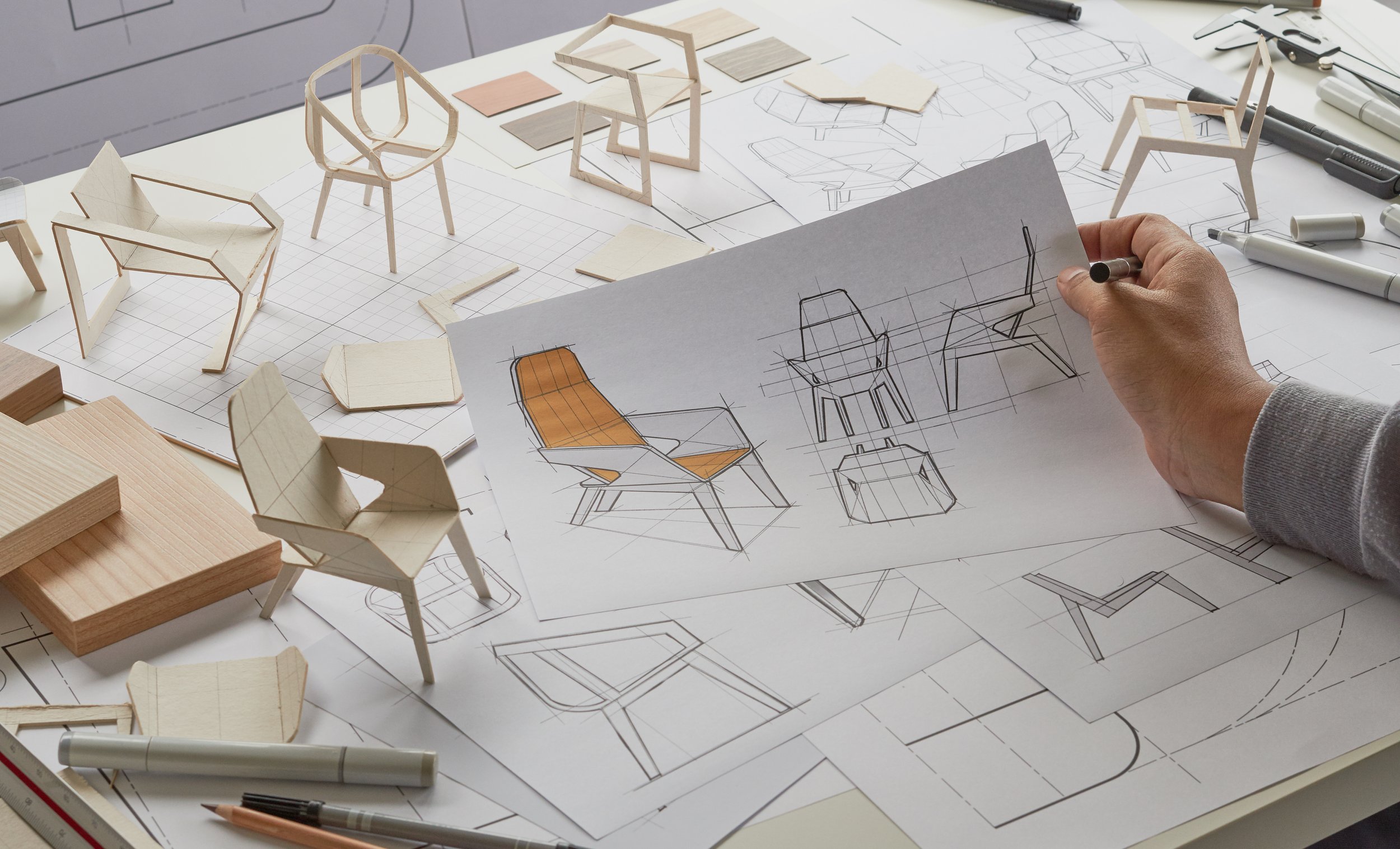
Usability engineering is not a linear path. Instead, it’s a cycle: design, prototype, test, and repeat. We take the insights from our initial research and translate them into a low-fidelity prototype—it could be as simple as a series of sketches or a basic 3D model. Then, we put that prototype in front of real users and watch them interact with it. Their feedback, both verbal and non-verbal, is pure gold. It shows us exactly where the design is succeeding and where it’s causing confusion. This iterative process allows us to identify and fix problems early, long before we’ve invested heavily in tooling or manufacturing. Each cycle gets us closer to a final design that is both effective and intuitive.

Implement and Validate Your Designs

After several rounds of refinement, we’ll land on a design that has been thoroughly vetted by users. This is the point where we move into final implementation, creating detailed CAD models and engineering specifications for manufacturing. But our work isn’t done yet. Once we have a production-intent prototype, we conduct a final round of validation testing. This is our last check to ensure the product meets all the usability goals we set at the beginning of the project. We might use a method like the think-aloud protocol, asking users to narrate their experience as they use the product. This step confirms that the final product is truly ready for launch and will deliver the seamless experience we planned for.

How Usability Engineering Shapes User Experience

Usability engineering is where the technical details of a product meet the real-world experience of the person using it. It’s the discipline that ensures a product isn’t just functional, but also intuitive, efficient, and even enjoyable. Think of it as the invisible layer of thoughtfulness that separates a clunky, frustrating gadget from one that feels like a natural extension of your own abilities. For agencies and brands, this is where you create true connection. A product that works well reflects positively on the brand behind it, turning a simple interaction into a memorable, positive experience.

This process isn't about adding bells and whistles; it's about removing friction. It’s about anticipating what a user needs and delivering it before they even have to think about it. By focusing on the human side of product design, usability engineering transforms a collection of features into a cohesive, satisfying solution. It’s the critical step that ensures the final product doesn’t just meet engineering specs but also wins over the hearts and minds of your audience. When a user feels understood and empowered by a product, you’ve created more than just a customer—you’ve created a fan.

Connecting Usability to User Satisfaction

At its core, usability is about empathy. It’s the practice of putting ourselves in the user’s shoes to understand their goals, frustrations, and expectations. A product with great usability makes the user feel smart and capable, not confused or incompetent. The goal is to design an experience so seamless that the user can focus on their task, not on figuring out the tool. This is why the professional discipline of usability engineering focuses on making products easy, efficient, and pleasant to use. That last part—"pleasant"—is key. A product that is simply functional gets the job done, but one that is also satisfying to use creates a positive emotional connection, which is invaluable for building brand loyalty.

How to Measure Usability Success

So, how do you know if you’ve achieved good usability? It’s not just a gut feeling. Success in usability engineering is measured against clear, user-centered criteria. The primary goal is to identify and fix usability problems before a product ever reaches the customer. We typically measure success by looking at five key areas: how easy the product is to learn, how efficient it is for completing tasks, how easy it is to remember how to use after a period of not using it, how many errors users make, and, ultimately, how happy it makes them. By testing prototypes with real people and gathering data on these points, we can make informed, evidence-based decisions that refine the user experience.

How Good Usability Keeps Users Coming Back

A product that’s easy and enjoyable to use is a product people will return to again and again. Good usability directly fuels user adoption and long-term engagement because it builds trust. When a product consistently meets user needs without causing frustration, it becomes a reliable tool in their lives. This sense of reliability is crucial. People stick with products that feel dependable and safe—ones that won’t fail at a critical moment. By investing in a thoughtful usability process, you create a product that not only attracts new users with a great first impression but also retains them by delivering a consistently positive and trustworthy experience over time.

Why Usability Is Critical in High-Stakes Products

When you’re designing a product where user error can have serious consequences, usability stops being a feature and becomes a fundamental requirement. For high-stakes products—like medical devices, complex industrial equipment, or automotive safety systems—the line between intuitive design and user safety is razor-thin. A confusing interface or an illogical workflow isn’t just frustrating; it can lead to incorrect operation, equipment failure, or even physical harm. This is where thoughtful engineering and user-centered design are most important.

In these environments, every decision, from the placement of a button to the color of a warning light, carries significant weight. The goal is to create products that are not only functional but also resilient to human error, especially when users are operating under stress, fatigue, or intense pressure. This requires a deep understanding of human psychology, ergonomics, and the specific context in which the product will be used. At its core, designing for high-stakes scenarios is about anticipating needs, preventing mistakes before they happen, and building systems that guide users toward the correct action, every single time. It’s a discipline where precision, clarity, and reliability are non-negotiable.

Designing for Medical Devices

In the medical field, usability engineering isn't just good practice—it's a regulatory mandate. Devices used by surgeons in an operating room or by patients in their own homes must be clear, intuitive, and fail-safe. The design process must account for a huge range of user abilities, from highly trained clinicians to individuals with limited technical skills or physical dexterity. That’s why usability engineering is a formal discipline, involving a systematic process of user research, prototyping, and rigorous testing. The aim is to ensure a device is not only effective but also easy and efficient to use, minimizing the cognitive load on the person operating it.

Meeting Safety System Requirements

From a regulatory perspective, the primary goal of usability in medical devices is to create a safe user interface. A poorly designed interface that leads to a use error can be just as dangerous as a mechanical or electrical failure. Our engineering process focuses on identifying potential risks associated with use and designing solutions to mitigate them from the very beginning. This proactive approach to risk management is crucial. By building safety into the user interface, we help ensure the product meets stringent regulatory standards and, more importantly, protects the well-being of both patients and healthcare providers.

Principles for High-Stakes Interfaces

So, what does a usable high-stakes interface actually look like? It comes down to a few core principles. Usability is often defined by five quality components that are especially relevant here. First is learnability—how easily can a first-time user operate the device correctly, especially in a high-stress situation? Next are efficiency and memorability, which ensure that trained users can perform tasks quickly and can easily recall how to use the device after a period of non-use. Finally, the design must focus on preventing errors and allowing for quick recovery if one occurs, all while providing a sense of confidence and satisfaction to the user.

How to Talk About Usability with Stakeholders

Getting everyone on board with usability engineering is one of the most important parts of the product development process. While our team lives and breathes concepts like ergonomics and user flow, we know these terms aren’t always part of the daily conversation for brand managers, marketing teams, or other key decision-makers. The real work is translating complex engineering insights into clear, compelling points that everyone can understand and support.

The goal isn’t to turn stakeholders into usability experts. It’s to give them the context they need to make informed decisions that serve both the user and the business. When you can clearly explain why a certain button placement, material choice, or interaction matters, you move the conversation from subjective preference to objective problem-solving. A successful product launch depends on this alignment. By framing usability discussions around shared goals—like creating a product people love to use—you can build consensus and keep the project moving forward smoothly.

Use Simple Language and Visuals

When discussing usability findings, clarity is your best friend. Avoid technical jargon and acronyms whenever possible. Instead of saying a feature has poor "discoverability," you could say, "Users had a hard time finding the main power switch." This simple shift in language makes the problem immediately understandable to anyone, regardless of their background. The key is to describe the user's experience, not the technical principle.

Pairing simple language with visuals is even more effective. A short video clip of a user struggling with a prototype is far more impactful than a paragraph explaining the issue. Screenshots with annotations, storyboards, or even quick sketches can help make abstract concepts concrete. An effective usability test report shows the problem instead of just describing it, which helps stakeholders grasp the user’s perspective instantly.

Tie Usability to Business Goals

For many stakeholders, the most important question is, "How does this affect the bottom line?" To get buy-in, you need to connect usability improvements directly to business objectives. Frame your recommendations in terms of tangible outcomes. For example, a confusing setup process doesn’t just frustrate users—it can lead to negative reviews, an increase in costly customer support calls, and a higher rate of product returns.

When you present your findings, translate them into metrics that matter. Instead of just pointing out a design flaw, explain the potential business impact. You could say, "By simplifying the battery replacement process, we can reduce a major source of customer complaints and improve our product ratings." Making your usability findings actionable shows that good design isn't just an aesthetic choice; it's a strategic tool for building a stronger brand and a more successful product.

Involve Stakeholders in the Testing Process

One of the most powerful ways to build empathy and understanding is to invite stakeholders to witness usability testing firsthand. There’s nothing quite like watching a real person interact with a product you’ve helped create. When a stakeholder sees a user struggle to open the packaging or get confused by the controls, the problem becomes real and urgent in a way that no summary report can ever capture.

If live observation isn't possible, a curated highlight reel of key moments from testing sessions can be just as effective. This direct exposure helps bridge the gap between the design studio and the real world. It shifts the dynamic from you telling them about a problem to everyone seeing it together. This shared understanding makes it much easier to communicate requirements and agree on the best path forward, turning stakeholders into active partners in the problem-solving process.

Overcoming Common Usability Challenges

Even the most well-planned projects run into real-world hurdles. In usability engineering, these challenges often revolve around time, money, and team dynamics. The good news is that these constraints don’t have to derail your project. With a strategic approach, you can address common obstacles and still create a product that users will love. The key is to be flexible and focus on smart, efficient methods that deliver valuable insights without slowing you down.

Think of these challenges less as roadblocks and more as creative problems to solve. By anticipating them, you can build a more resilient and effective usability process that works for your team, your client, and your timeline. Let’s walk through a few of the most common issues and how to handle them.

Balancing Speed with Quality

In the agency world, deadlines are everything. The pressure to move quickly can sometimes feel at odds with the need for thorough testing. But you don’t have to sacrifice quality for speed. The trick is to integrate smaller, faster feedback loops into your process instead of waiting for one big testing phase. This approach, often part of an agile development framework, allows you to test and refine ideas iteratively.

Instead of a month-long study, try running quick, informal tests with a handful of users each week. You can use low-fidelity prototypes to get feedback on core concepts early on, saving your team from investing time and resources in a direction that isn’t working. This keeps the project moving forward while ensuring user insights guide every decision.

Working with Limited Budgets and Resources

Not every project has a massive budget for user research, and that’s okay. You can gather incredibly valuable feedback without spending a fortune. When resources are tight, focus on high-impact, low-cost methods. Guerilla testing, where you ask people in a public place (like a coffee shop) to try your prototype for a few minutes, can reveal major usability issues quickly.

You can also leverage your internal team or colleagues from other departments for initial feedback. While they aren’t your target users, they can often spot confusing interactions or unclear instructions. The goal is to make the most of what you have. By using efficient collaboration strategies, you can ensure that every piece of feedback is captured and used to make the product better.

Fitting Usability into Your Existing Workflow

One of the biggest hurdles is making usability a core part of your process rather than an afterthought. It’s easy for testing to get pushed to the end of a project, but by then, it’s often too late or too expensive to make meaningful changes. The best way to avoid this is to advocate for user-centered design from the very beginning—starting with the project kickoff.

Frame usability not as an extra step, but as a crucial part of risk management. Testing early and often helps you catch problems before they become expensive engineering challenges. Work to make usability a shared responsibility. When designers, engineers, and project managers all feel ownership over the user experience, it becomes naturally integrated into the workflow.

How to Build Usability into Your Product Development

Making usability a core part of your process doesn’t have to be complicated. It’s about shifting your mindset from "Will it work?" to "How will people experience it?" When you build usability into your workflow from the start, you create products that feel intuitive and solve real problems, which is exactly what makes a launch successful. This isn't a final polish you add at the end; it's a foundational element that informs every decision, from the initial sketch to the final manufactured unit.

Thinking about the user experience at every stage prevents costly redesigns and ensures the final product aligns with your agency’s creative vision and your client’s business goals. It’s a proactive approach that turns good ideas into great products. By making usability a consistent practice, you streamline development and create physical products that people genuinely want to use. This approach ensures that the final result is not only beautiful and functional but also a seamless extension of the brand experience you’ve designed.

Integrate with Your Development Lifecycle

The most effective way to approach usability is to treat it as a systematic process that runs parallel to your design and engineering work. Instead of waiting until a prototype is finished to see if it’s easy to use, you should be asking usability questions at every phase. During concepting, you can map out user flows. In the design phase, you can create simple mockups to test interactions. During engineering, you can evaluate how physical components feel and function in the hand.

The goal is to catch potential issues long before the product is ready for manufacturing. This iterative cycle of designing, evaluating, and refining is what separates frustrating products from delightful ones. By weaving usability checks into your existing development lifecycle, you make it a natural part of creating, not an extra step that slows you down.

Essential Tools for Usability Engineers

You don’t need a fancy lab to start gathering user feedback. Usability engineering relies on a set of practical methods that can be adapted to any project or budget. Simple techniques like user interviews and surveys can give you incredible insight into what your target audience needs and expects. As you move into prototyping, you can run informal usability tests where you simply watch someone interact with your product and ask them to share their thoughts.

More structured usability methods like heuristic evaluations, where you assess an interface against established principles, can help you spot common problems quickly. The key is to choose the right tool for the job. Whether it’s a quick cognitive walkthrough or a more detailed contextual inquiry, these tools are all designed to help you see your product through the user’s eyes.

Improve Team Collaboration and Workflow

Great usability is a team sport. It requires clear communication between designers, engineers, and stakeholders—especially when those stakeholders aren't technical. As an agency, your strength is creative vision, and our job is to translate that into a functional, manufacturable product. To do that effectively, we need a shared language. Using visuals, simple prototypes, and clear, jargon-free language helps everyone stay on the same page.

When you communicate requirements effectively, you ensure that the engineering decisions support the user experience goals. Involving stakeholders in brief, informal testing sessions can also be incredibly powerful. It gives them a firsthand look at how users are interacting with the product and makes it easier to get buy-in for design improvements. This collaborative workflow ensures the final product is a true reflection of the initial vision.

Related Articles

get a proposal

Frequently Asked Questions

This sounds great, but our timelines are always tight. Can we really fit this in? Absolutely. In fact, integrating usability into your process actually saves time in the long run. It’s a common myth that it involves a single, massive testing phase at the end of a project. Instead, we build in small, rapid feedback loops from the very beginning. By testing simple prototypes and concepts early, we can catch design flaws before they become expensive engineering problems, preventing major delays and redesigns down the road.

What's the real difference between usability and just making a product look good? Think of it this way: a product’s visual design is what makes someone pick it up, but its usability is what makes them want to keep it. Good aesthetics are crucial, but they can’t save a product that’s confusing or frustrating to operate. Usability engineering is the practical side of the coin—it ensures the product works intuitively and feels good to use. When a product is both beautiful and effortless, it creates a positive experience that truly reflects well on the brand.

How do we convince our client to invest in this? They're focused on the big creative idea. The best way is to connect usability directly to their business goals. A product that’s difficult to use can lead to negative reviews, an increase in customer support calls, and a higher rate of returns—all of which hurt the brand and the bottom line. Frame usability not as an extra cost, but as a form of quality control that protects their investment and ensures the final product strengthens the brand story you’re trying to tell.

At what stage of a project should we start thinking about usability? You should start thinking about it from day one. Usability isn’t a final polish you apply at the end; it’s a foundational part of the design process. The earlier you start considering how a person will actually interact with the product, the better. Even during the initial concept phase, we can map out user flows and identify potential friction points. This early focus ensures that every design and engineering decision is grounded in creating a great user experience.

Does usability testing require a huge budget and a formal lab? Not at all. While complex projects might require more rigorous testing, you can gather incredibly valuable insights with simple, low-cost methods. Sometimes the most effective feedback comes from watching just a handful of people interact with a prototype in a casual setting. The goal is to see the product through a fresh set of eyes and identify real-world problems, which doesn’t require a lot of fancy equipment or a huge budget to achieve.

Previous
Previous

GD&T 101: Turning Your Big Ideas into Products

Next
Next

What Are Parting Lines? A Simple Design Guide