What Is Wearable Technology? A Brand's Guide
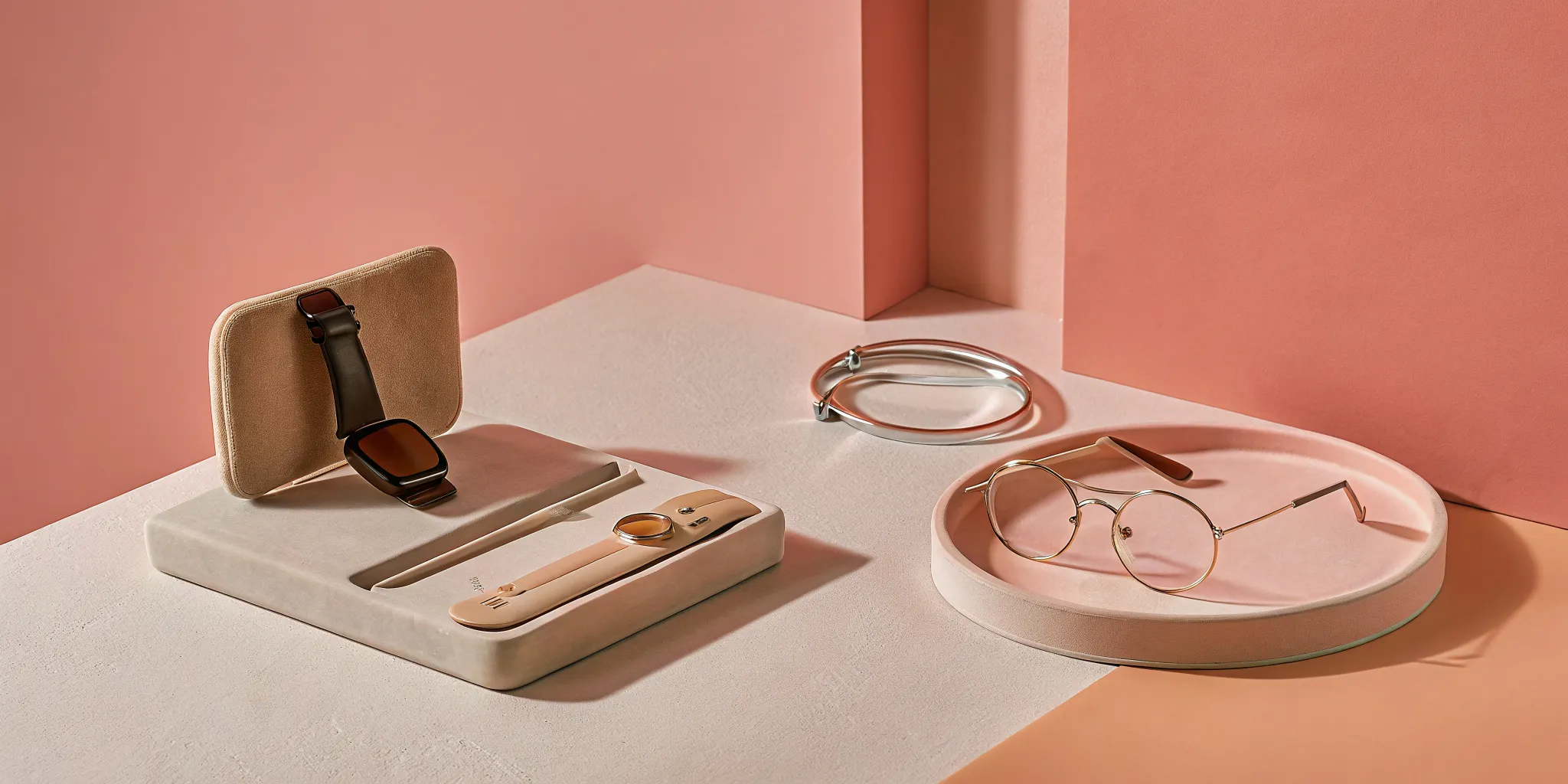
Your agency is brilliant at creating moments that capture attention, but what happens when the screen turns off? In a world saturated with digital ads, the most powerful brand connections are often the ones we can touch and feel. This is where physical products become your secret weapon, turning a fleeting campaign into a lasting experience. More than just merchandise, wearable technology offers a new frontier for storytelling, allowing a brand to become a helpful, personal, and constant companion in a person's life. This guide is for the creative minds ready to move beyond the pixel and explore how to bring a branded wearable from a great idea to a tangible reality.
Key Takeaways
- Focus on the human experience, not just the tech: A successful wearable must be comfortable, stylish, and have a battery that lasts all day. Prioritizing these user-centric elements is what turns a gadget into a personal accessory people won't want to take off.
- Match the device to the campaign goal: Wearables are not one-size-fits-all; a smart ring tells a different story than a VR headset. Select the form factor that best fits your brand's message to create a tangible, authentic interaction that resonates with your audience.
- Turn your concept into a real product with prototyping: A great idea is just the start; a successful wearable requires balancing aesthetics with function and manufacturability. Use an iterative process of building and testing prototypes to refine your design, solve problems early, and ensure your final product is both beautiful and achievable.
What Is Wearable Technology?
At its core, wearable technology refers to small electronic devices designed to be worn on the body. Think of them as miniature computers integrated into accessories, clothing, or gadgets you can wear. These devices are built to collect data, connect to the internet, and provide you with real-time information without you having to pull out your phone. For brands and agencies, this opens up a whole new way to create interactive, personal, and memorable experiences that live with your audience.
A quick look at its evolution
The idea of wearing technology isn't new. You could say it started back in the 1500s when the first small watches were worn as necklaces. But the modern era of wearables truly began in the 2000s. This is when companies started creating devices that could connect to our smartphones and the internet. Early fitness trackers were some of the first to go mainstream, but it was the launch of products from brands like Apple, Samsung, and Fitbit that turned wearable technology into the massive market it is today. What started as a simple step counter has evolved into a sophisticated tool for communication, health monitoring, and so much more.
The core components inside
So, what makes these tiny devices so smart? Most wearables are powered by a few key components working together. They almost always have a small computer chip that acts as the brain, a battery to provide power, and some way to connect to other devices or the internet. The real magic, however, comes from the sensors. These are what allow the device to track everything from your movements and heart rate to your location. The device then uses its processor to make sense of all that data and presents it to you in a useful way, either on its own screen or through an app on your phone.
Exploring the Types of Wearable Tech
Wearable technology isn't a single category; it's a diverse family of devices designed to be worn on the body. From the watch on your wrist to the ring on your finger, each type of wearable serves a different purpose and opens up new possibilities for brands to connect with people. For creative agencies, this is where things get exciting. Thinking about wearables isn't just about the tech itself; it's about imagining how your client's brand could create a physical, interactive experience that people will remember long after a digital ad fades.
Understanding these categories is the first step. Each one offers a unique canvas for storytelling and user engagement. Whether you're developing a high-impact influencer kit, a piece of branded merchandise that actually does something, or a central component for an experiential campaign, the right wearable can turn a great idea into a tangible product. It’s about finding the perfect intersection of form, function, and brand message. The most successful wearables feel like a natural extension of the user, not just a gadget. This means the design, materials, and user experience are just as important as the technology inside. Let's look at the main types of wearables out there and what makes each one a compelling choice for your next big project.
Smartwatches and fitness trackers
These are the wearables you see everywhere, and for good reason. Smartwatches have become extensions of our smartphones, delivering notifications, music controls, and app access right to our wrists. Beyond convenience, they’re packed with sensors that track activity levels, heart rate, and sleep patterns.
Dedicated fitness trackers, on the other hand, are all about performance. They’re built to capture detailed fitness information, like steps taken, calories burned, and sleep quality. For brands in the wellness space, these devices offer a direct line into a user's daily health journey, creating opportunities for personalized motivation and product recommendations. Imagine a branded app that syncs with a tracker to guide a workout or a custom watch face that reinforces a campaign message.
Smart glasses and AR/VR headsets
This category is all about changing how we see and interact with the world. Smart glasses look like typical eyewear but display information in your field of view, allowing for hands-free interaction. Companies are exploring how to use them for augmented reality, which mixes digital content with the real world.
VR headsets take this a step further by creating fully immersive digital experiences for gaming, virtual events, and training simulations. For creative agencies, these devices are a canvas for building unforgettable brand worlds that users can step directly into. This blurs the line between a campaign and a real-life adventure, making your brand's story something people can touch and feel.
Medical and health monitors
While many wearables focus on wellness, this category is dedicated to clinical-grade health monitoring. These are often specialized devices, like patches that continuously check blood sugar or monitors that record heart activity for diagnostic purposes. They are designed to be worn constantly, making it easy to collect data over long periods.
Because they are built for a specific medical purpose, these devices require a high degree of precision and reliability. For brands entering this space, the focus is less on flashy features and more on creating a product that patients and doctors can trust completely. It’s a powerful way to make a tangible difference in someone's health and build deep brand loyalty through genuine care.
Smart clothing and accessories
Imagine a shirt that can track your breathing or a pair of socks that analyzes your running form. That’s the promise of smart clothing, which embeds sensors and flexible electronics directly into the fabric. Because the sensors touch a larger part of the body, they can collect more accurate data than a wrist-worn device.
This technology is quickly moving from concept to reality, especially in professional sports and medical applications. It offers a way to gather biometric information quietly and comfortably in the background. For a brand, this could mean creating apparel for athletes that provides real-time performance feedback or designing a baby onesie that monitors vitals for parents' peace of mind.
Smart rings and hearables
For those who want data without the distraction of a screen, smart rings are an elegant solution. These discreet devices are packed with sensors that excel at collecting detailed health metrics, especially for sleep and recovery tracking. They’re perfect for the user who wants powerful insights in a minimal, stylish form factor.
Hearables are another growing category, encompassing smart earbuds and advanced hearing aids. Beyond playing audio, these in-ear devices can include microphones for clear calls, fitness tracking sensors, and seamless wireless connectivity. They represent an opportunity to integrate brand experiences directly into the soundtrack of a user’s life, from guided workouts to immersive audio storytelling.
How Does Wearable Tech Actually Work?
At their core, all wearables follow a simple, three-step process: they gather information, make sense of it, and then show you what they’ve learned. Think of it as a tiny detective that lives on your wrist, constantly observing and reporting back. These small electronic devices are packed with sophisticated components that work together to turn raw data from your body or environment into helpful, real-time feedback. Understanding this flow is the first step for any brand looking to create a meaningful wearable experience.
Gathering data with sensors
Everything starts with sensors. These are the tiny electronic parts inside a wearable that do the actual data collection. They’re the eyes and ears of the device, designed to pick up on specific inputs from your body and surroundings. For example, an accelerometer tracks your movement, a PPG sensor measures your heart rate, and a GPS chip tracks your location. The specific types of sensors included in a device determine what it can do, whether it’s a fitness tracker monitoring activity or a smart ring detecting sleep patterns.
Processing data and staying connected
Once the sensors collect all this raw information, it doesn’t mean much on its own. That’s where the device’s processor comes in. This tiny computer chip acts as the brain, running algorithms to interpret the data and turn it into something useful, like your total calories burned or your sleep score. Most wearables also have wireless connectivity like Bluetooth to sync with your smartphone. This connection is key, as it allows the device to send its processed data to a companion app for more detailed analysis and lets you receive notifications right on your wrist.
Displaying useful insights
The final step is showing you the results. This is where the user experience really comes to life. The information can be displayed directly on the wearable’s screen, like a daily step count on a smartwatch, or presented in detailed charts and graphs within a smartphone app. This constant stream of information helps people track their habits and learn more about themselves, a concept often called the "quantified self." For brands, the goal is to present this data in a way that’s not just accurate but also intuitive, motivating, and easy to understand at a glance.
Where You'll Find Wearable Tech in the Wild
Wearable technology has moved far beyond the simple step counters of the past. Today, these devices are woven into the fabric of our daily lives, from the gym to the doctor's office and even the factory floor. For creative agencies, understanding where wearables show up is the first step toward imagining how your client’s brand can become a meaningful part of someone’s world. These devices are powerful tools for creating branded experiences that are personal, useful, and genuinely unforgettable. As you explore these applications, think about the unique ways your next campaign could come to life through a physical product.
Health and fitness
This is the category most people think of first, and for good reason. Smartwatches and fitness trackers are everywhere, collecting real-time information on everything from heart rate and sleep quality to daily steps and workout intensity. These devices are masters at turning personal data into motivation. They help people set goals, track progress, and feel more connected to their own wellness journey. For brands, this creates an opportunity to build campaigns around personal achievement and healthy lifestyles, offering a product that provides real value long after the initial unboxing.
Healthcare and medical
Moving beyond general wellness, medical wearables are highly specialized devices designed for clinical monitoring and diagnosis. Think of patches that continuously track blood sugar for people with diabetes or discreet monitors that record heart activity for days at a time. These products are changing how healthcare is delivered, enabling remote patient care and proactive health management. Creating a medical device requires an incredible amount of precision and a deep understanding of user needs, but it represents a powerful way for brands in the health space to build trust and deliver life-changing support.
Business and enterprise
Wearables are also making a huge impact in the workplace. In industrial settings, smart glasses can display instructions or schematics directly in a worker's line of sight, making complex tasks safer and more efficient. Other devices might monitor a worker's vitals in hazardous environments or track assets in a massive warehouse. Using wearables in the workplace is all about improving productivity and safety. For agencies, this opens the door to B2B campaigns and branded tools that solve real business problems, positioning a client as an innovative partner in their industry.
Entertainment and gaming
For pure, immersive fun, it’s hard to beat the wearables used in entertainment. Virtual reality (VR) headsets can transport users to entirely new worlds, creating unforgettable gaming, cinematic, and educational experiences. Augmented reality (AR) glasses can overlay digital information onto the real world, turning a city street into a playground or a product package into an interactive display. These immersive experiences offer a massive canvas for creative storytelling, allowing brands to build activations that capture attention and spark genuine excitement.
Fashion and lifestyle
Wearable tech no longer requires you to sacrifice style for function. The market is now full of devices that look as good as they perform, from elegant smart rings to designer smartwatches. Smart jewelry is becoming especially popular because it offers a discreet way to track health and receive notifications without a screen. For a branded wearable to succeed, it has to be something people actually want to wear. This is where thoughtful design becomes critical, ensuring the final product feels less like a gadget and more like a personal accessory that reflects the user's style.
Why Wearable Tech Is a Game-Changer
Wearable technology has moved far beyond clunky gadgets for early adopters. Today, these devices are sleek, powerful, and woven into the fabric of daily life. For brands, this shift presents a massive opportunity. It’s no longer just about creating a product; it’s about designing a companion that offers real value, convenience, and connection. When a wearable becomes an indispensable part of someone’s routine, the brand behind it builds a relationship that’s hard to break. The most successful wearables aren’t just tech, they’re lifestyle-enablers that help people live better, safer, and more connected lives.
Constant health and wellness tracking
One of the most powerful aspects of wearable tech is its ability to be an ever-present health companion. These devices can quietly sense and monitor vital information in the background, tracking everything from heart rate and sleep quality to daily steps and activity levels. This creates a continuous feedback loop between a person and their body, offering a constant stream of data that was once only available during a doctor’s visit. For a brand, creating a product that supports a user’s health journey is a way to build deep, personal trust. It becomes more than an accessory; it’s a partner in well-being.
Personalized, real-time insights
Collecting data is one thing, but turning it into something useful is where the magic happens. The best wearables don’t just show you numbers; they provide personalized insights that help you make better decisions. This is the core of the "quantified self" movement, where people use their own data to understand and improve their lives. A device might suggest an earlier bedtime after a restless night or recommend a light activity day to aid recovery. By offering this kind of tailored guidance, a wearable becomes a personal advisor, creating a sticky, valuable experience that keeps users engaged day after day.
Hands-free convenience
In a world where we’re constantly juggling tasks, the ability to do more with our hands full is a huge advantage. Wearables offer a level of hands-free convenience that phones simply can’t match. Think about glancing at a notification during a meeting, changing a song on a run, or taking a call while carrying groceries, all without breaking your stride. This seamless integration into daily activities is a key reason why smartwatches and other wearables have become so popular. For brands, this convenience is a feature that delivers tangible, everyday value, making the device feel less like a piece of tech and more like a natural extension of the user.
Built-in safety and emergency features
Beyond convenience and wellness, wearables offer something even more profound: peace of mind. Many devices now include safety features like fall detection, which can automatically alert emergency services, or SOS buttons that let users quickly call for help and share their location. These features act as a silent guardian, providing a safety net for everyone from older adults living alone to athletes training in remote areas. For a brand, incorporating personal safety features is a powerful way to show you care. It’s a feature you hope is never needed, but its presence alone can create an incredibly strong emotional bond with your users.
What Do People Actually Want in a Wearable?
Creating a wearable that people actually use long-term goes far beyond just the technology inside. For every successful device, there are dozens that end up in a desk drawer after a week. Why? Because they miss the mark on what users truly value. It’s not about having the most features; it’s about creating a seamless, valuable, and even personal experience. As you think about bringing a branded wearable to life, focusing on the human side of the equation is what will set your product apart.
Success hinges on a few core principles that are surprisingly easy to overlook. People want technology that fits into their lives, not the other way around. This means it needs to be comfortable enough to forget you’re wearing it, powerful enough to last through your busiest days, and intuitive enough that you trust the information it gives you. It also needs to play nice with the other tech you already own and, just as importantly, look good while doing it. Getting these five elements right is the key to turning a cool concept into a product people will love, wear, and share.
A comfortable, barely-there fit
Before anything else, a wearable has to be, well, wearable. If a device is bulky, heavy, or causes skin irritation, it’s a failure before its first battery cycle is complete. The ultimate goal is to create something so comfortable that the user almost forgets it’s there. True wearable technology is designed to feel like a natural extension of the body, whether it’s a lightweight watch, a flexible fabric, or a discreet ring. The less intrusive the physical form, the more likely someone is to integrate it into their daily routine. Think of it as the first and most important hurdle to clear in the user’s journey.
Battery life that keeps up
Nothing kills the magic of a high-tech device faster than a dead battery. Users have little patience for products that require constant charging. If your wearable can’t last at least a full day on a single charge, it creates "charging anxiety" and adds another chore to a person's to-do list. In fact, poor battery life is one of the biggest complaints in the wearables market and a primary reason why people abandon their devices. When planning a product, aim for endurance. A device that reliably keeps up with a user's life is one that will earn its place on their wrist, finger, or lapel day after day.
Data they can trust
Wearables are fantastic at collecting data, but data without meaning is just noise. Users don't want a spreadsheet of their heart rate; they want to know what it means for their health and what they can do about it. Most wearables give general information, but the real value comes from providing clear, accurate, and actionable insights. Trust is also a huge factor. If a user’s step count seems off or their sleep tracking feels inaccurate, they’ll quickly lose faith in the device. The goal should be to deliver data that is not only interesting but also reliable enough to inspire real-world action and positive change.
Easy integration with other devices
A wearable doesn’t exist in a bubble. It’s part of a personal ecosystem of devices, with the smartphone at its center. That’s why seamless integration is non-negotiable. Users expect their wearable to connect to other devices like their phone with minimal fuss. A clunky setup process, dropped Bluetooth connections, or a buggy app can frustrate users to the point of giving up. The out-of-the-box experience is your first chance to show the user that your product is simple and reliable. A smooth sync should be a top priority, making the device feel like a helpful companion rather than another technical problem to solve.
Style that reflects them
A wearable is more than a gadget; it’s a fashion accessory that communicates something about the person wearing it. One-size-fits-all rarely works. People want choices that reflect their personal style, whether that means different colors, materials, or form factors. This is why we're seeing a rise in smart jewelry, like rings and elegant bracelets, which offer powerful tech in a small, discreet package. When a device is as beautiful as it is functional, it moves from being a piece of tech to a piece of personal expression. For brands, this is a huge opportunity to create something that people are not just willing to wear, but proud to show off.
The Hurdles Wearable Tech Still Needs to Clear
As exciting as wearable technology is, it’s not a perfect science just yet. For every breakthrough, there are still a few significant challenges that product creators and brands have to solve. These aren't just minor glitches; they're fundamental issues that can make or break a user's experience.
For agencies and brands looking to create a wearable product, understanding these hurdles is the first step toward building something that truly connects with an audience. Getting these right means creating a device that people not only want to buy but also love to use every single day. It’s about moving beyond the novelty and delivering real, lasting value. Let's look at the three biggest challenges that anyone in the wearable space is currently working to solve.
Keeping personal data private
Wearables are incredibly personal. They track our steps, monitor our sleep, and sometimes even keep tabs on our health metrics. Because they collect so much sensitive information, one of the biggest concerns for users is wearable technology and data privacy. People want to know that their personal health and habit data is safe from prying eyes and secure from hackers.
Building trust is essential. This means designing products with security at their core and being transparent with users about what data is collected and how it’s used. For brands, this isn't just a technical problem; it's a brand promise. A data breach can destroy user trust in an instant, so getting privacy and security right is non-negotiable for long-term success.
Overcoming hardware limits
A wearable is only useful if it’s charged and ready to go. That’s why one of the most persistent hardware challenges is battery life. Users expect their devices to keep up with their busy lives, and nobody wants to be tethered to a charger. A smartwatch that dies halfway through the day or a fitness tracker that needs constant charging quickly becomes a frustration rather than a convenience.
Beyond battery life, there are other physical limitations to consider, like processor speed, heat dissipation, and the durability of components. Fitting powerful technology into a tiny, comfortable device is a massive technical challenge. Solving these hardware problems is key to creating a seamless and reliable user experience that feels effortless.
Finding the balance between beauty and function
Wearables live on our bodies, so they can’t just be functional; they have to be fashionable, or at least discreet. Unlike a phone that you can put in your pocket, a wearable is a statement. This creates a constant tension between aesthetics and capability. How do you pack powerful sensors, batteries, and processors into a device that is also comfortable, lightweight, and stylish?
The most successful wearables find a perfect harmony between form and function. They are designed to be comfortable and sometimes even hidden, yet they still deliver powerful uses and benefits like notifications and health tracking. This balance is what separates a must-have accessory from a clunky gadget that ends up in a drawer.
What's Next for Wearable Tech?
The world of wearables is moving incredibly fast, and what’s coming next is even more exciting than what we have today. For brands and creatives, these future trends aren't just technical upgrades; they're new canvases for telling stories and connecting with people. From devices that understand our emotions to tech that literally disappears, the future is personal, intuitive, and seamlessly woven into our lives. Keeping an eye on these shifts is key to creating the next product that people won't just use, but truly love.
As an agency, your ability to create unforgettable moments for a brand is your superpower. These advancements in wearable tech give you entirely new ways to do that. Imagine an influencer kit with a smart accessory that reacts to social media mentions, or a branded device that helps users build healthier habits. The line between a digital campaign and a physical product is blurring, and wearables are right at the center of it all. Understanding what's on the horizon helps you pitch bigger, more innovative ideas that create lasting brand loyalty.
Smarter devices with AI
The next wave of wearables will be less about tracking data and more about understanding it. Thanks to artificial intelligence, devices are becoming predictive and personal. Imagine a fitness tracker that doesn't just count your steps but learns your energy patterns and suggests a walk right when you need a mental break. AI allows a device to move beyond one-size-fits-all alerts and offer truly contextual guidance. For brands, this is an opportunity to create a product that feels less like a gadget and more like a helpful, intuitive companion, making your brand an indispensable part of a user's daily routine.
A focus on mental health
For years, wearables have helped us master our physical health through the "quantified self" movement. Now, that same focus is turning inward to mental and emotional well-being. Future devices will go beyond heart rate to monitor indicators of stress, focus, and sleep quality with incredible accuracy. We're already seeing wearables that guide users through breathing exercises when they detect stress or analyze sleep patterns to offer advice for a more restful night. This shift opens a meaningful space for brands to create products that genuinely support users' mental wellness, building a deep and authentic connection based on care.
The impact of 5G connectivity
Get ready for wearables that are truly independent. The rollout of 5G means your smartwatch, smart glasses, or other connected accessories will have an ultra-fast, reliable connection to the internet all on their own, no phone required. This unlocks a world of possibilities for real-time, high-fidelity experiences. Think about augmented reality overlays that appear instantly through smart glasses at a live event, or crystal-clear audio streaming directly to a hearable. For creative campaigns, this means you can design more powerful and connected experiences that are richer and more immersive than ever before.
Better batteries and self-charging tech
One of the biggest hurdles for wearables has always been battery life. No one loves a device that dies halfway through the day. The next big breakthrough is technology that dramatically extends battery life or even eliminates charging altogether. Researchers are developing energy harvesting systems that could power a device using your own body heat, movement, or ambient sunlight. Imagine a fitness tracker that charges itself as you run. Offering a product that frees users from the constant hunt for a charging cable is a powerful way to stand out and show you truly understand what they need.
Invisible wearables like smart lenses
The ultimate wearable may be one you can't even see. The trend is moving toward "invisible" tech that integrates seamlessly into things we already use, like clothing, jewelry, and even contact lenses. Instead of a bulky wristband, think of smart fibers woven into a shirt that monitor your posture or a ring that tracks your sleep. There's even development around smart contact lenses that could display information right before your eyes. This move toward subtlety and style allows brands to create products that add function without disrupting a user's personal aesthetic, making technology feel more natural and human.
How to Design a Wearable People Will Love
So, you have a brilliant idea for a wearable product that will bring a brand campaign to life. That’s the exciting part. But how do you turn that concept into a physical object that people genuinely want to wear and interact with? A great idea is only the beginning. The success of a wearable hinges on its design and how it makes a person feel. Unlike an app you can close, a wearable is a constant companion. It’s on someone’s body, representing your client's brand with every movement.
This is where thoughtful product design becomes your most valuable asset. It’s not just about making something that works; it’s about creating an experience that feels personal, intuitive, and desirable. Getting this right requires a specific approach that merges creative vision with real-world practicality. You need to think about how it looks, how it feels, how it functions, and how it can actually be built. Let’s walk through the key steps to creating a wearable that’s not just a piece of tech, but a product people will connect with and love.
Why industrial design is non-negotiable
Think of a wearable as a piece of clothing or jewelry. If it’s clunky, uncomfortable, or just plain ugly, no one will wear it, no matter how clever its features are. This is why industrial design is essential. It’s the practice of making technology feel human. It focuses on the form, ergonomics, and aesthetics of a product, ensuring the device is not only beautiful but also a pleasure to use and wear.
Good industrial design makes the technology disappear, leaving behind a seamless and enjoyable experience. It considers everything from the texture of a strap to the weight of the device and the satisfying click of a button. These details are what create an emotional connection between a person and a product, transforming it from a cold gadget into a personal accessory. For a brand, this is everything. A well-designed wearable becomes a positive and constant brand touchpoint.
Balancing form, function, and production
Every great product is a masterclass in balance. For wearables, this means finding the sweet spot between form (how it looks and feels), function (what it does), and production (how it’s made). It’s easy to sketch a futuristic device, but can it house the necessary battery and sensors? Can it be manufactured reliably and within your campaign’s budget? These are the questions that turn a concept into a viable product.
This balancing act should start on day one. For example, the choice of material affects the look, the durability, and the cost. The internal components dictate the size and shape of the device. A strategic approach to design for manufacturing ensures these decisions are made thoughtfully, preventing costly surprises down the line. It’s about making smart trade-offs without compromising the core vision, ensuring the final product is both amazing and achievable.
Taking a wearable from idea to reality
The path from a sketch to a market-ready wearable is a step-by-step process of refinement. You don’t just design it once and send it off to a factory. Instead, you build, test, and learn in a cycle. This iterative process is your best tool for creating something truly great. It starts with ideation and moves quickly into prototyping, where you create early versions of the product that you can see, hold, and test.
These prototypes don’t have to be perfect. They are tools for learning. Does it fit right? Is the interface intuitive? Getting the product into people's hands early and often provides the critical feedback needed to improve it. As Harvard Business Review highlights, this cycle of making and testing is what allows you to de-risk the project and refine the user experience at every stage. It ensures that by the time you’re ready for a full production run, you’re confident you’ve created a wearable that perfectly captures your vision and delights your audience.
Related Articles
Frequently Asked Questions
My agency has a great idea for a wearable, but we don't know how to build it. Where do we even start? That's the best place to begin. A great idea is your foundation. The next step isn't to figure out all the technical details yourself, but to start shaping the user experience. Ask yourself what you want someone to feel and do when they interact with the product. From there, the process involves creating early physical models to see how the idea feels in the real world. This cycle of building, testing, and refining is how you turn a concept into a tangible product without getting lost in the technical weeds.
What's the most important thing to get right when designing a wearable for a brand? It has to be something people actually want to wear. This sounds simple, but it's the detail that matters most. Before you even consider the features, focus on the physical experience. If a device is uncomfortable, bulky, or just doesn't match a person's style, it will fail. The most successful branded wearables feel like personal accessories first and technology second. Good design makes the tech feel invisible, leaving behind an enjoyable experience that positively reflects on the brand.
Why do some wearables succeed while others end up in a drawer after a week? The ones that succeed respect the user's life. They have battery life that lasts, they are comfortable enough to be forgotten, and they integrate smoothly with the other devices a person already uses. The wearables that fail are the ones that add a chore, like needing a charge every few hours or having a clunky app. Lasting success comes from creating a product that seamlessly fits into a person's routine and provides clear, trustworthy information without demanding constant attention.
With so many types of wearables, how do I choose the right one for my campaign? Think about the story your brand wants to tell and the context in which someone will use the product. A fitness brand might find a tracker is the perfect fit to support a user's health goals. A luxury brand, however, might choose a discreet smart ring that offers notifications without a distracting screen. The right choice depends on your campaign's message. The form of the wearable should match the function and feeling you want to create for your audience.
Is it better to create a simple, reliable product or try to build something futuristic with AI? It's almost always better to perfect the fundamentals first. A simple, beautiful, and reliable product that does one thing perfectly will always beat a futuristic device that's complicated or doesn't work well. You can create a magical experience without needing the absolute latest tech. Once you have a solid foundation, you can always add more advanced features. But a flawless user experience, even a simple one, is what builds a lasting connection with your audience.