Key Principles of Consumer Electronics Industrial Design
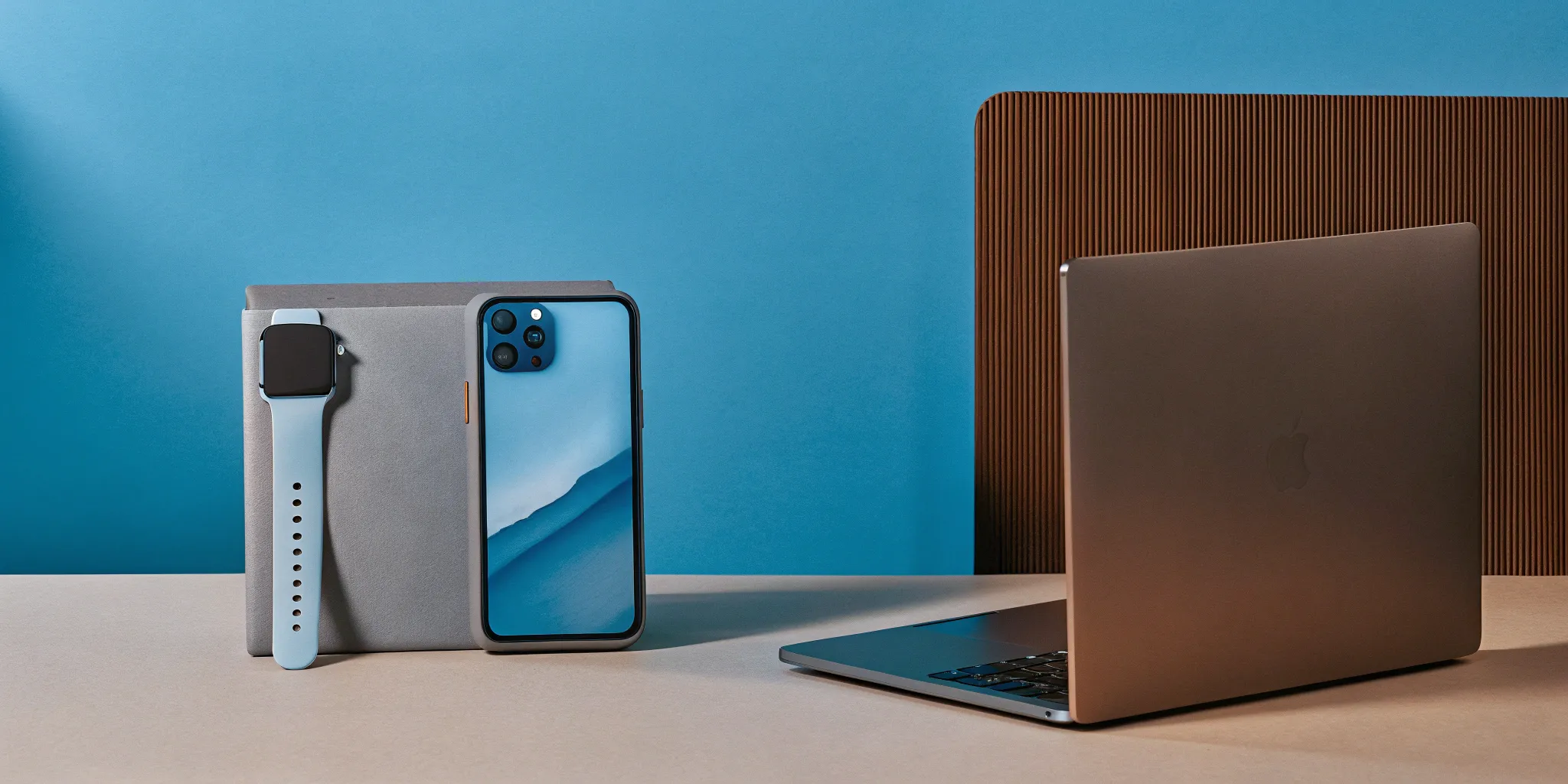
Your agency excels at building brand narratives, but what happens when that story needs to be told through a physical object? That’s where consumer electronics industrial design comes in. It’s the practice of translating a brand’s identity—its values, aesthetics, and voice—into the three-dimensional form of a product. Every curve, texture, and material choice is a decision that reinforces the story you’re trying to tell. This guide breaks down how this crucial discipline works, moving beyond just making things look good to create products that are functional, manufacturable, and feel like a natural, tangible piece of the brand’s world.
Key Takeaways
- Balance creative vision with production reality: A successful product isn't just a great idea; it's a great idea that can be built on time and on budget. Integrating design for manufacturing (DFM) from the start ensures your physical product is both ambitious and achievable.
- Design for the person, not just the project: The most memorable products are built on a deep understanding of the end-user. Focusing on ergonomics, usability, and daily habits is what turns a piece of branded tech into an indispensable part of someone's life.
- Treat manufacturing as part of the creative process: Every design choice, from a subtle curve to a specific material, impacts the final product's cost and timeline. Involving an engineering partner early helps you make informed decisions that protect your budget without compromising your creative intent.
What is consumer electronics industrial design?
At its core, industrial design for consumer electronics is the process of shaping the physical products we use for communication, entertainment, and information. It’s the practice of deciding how a smart speaker looks on your counter, how a pair of headphones feels in your hands, and how the buttons on a remote are laid out for intuitive use. This discipline is where creativity, engineering, and user psychology come together to turn a complex piece of technology into something that is not only functional but also desirable and easy to use.
For creative agencies, understanding this process is key to extending a brand’s story into the physical world. When you’re creating a piece of branded tech for a campaign or a high-end influencer kit, industrial design ensures the final product feels like a natural extension of the brand experience. It’s not just about slapping a logo on a generic gadget; it’s about thoughtfully designing an object that communicates quality, innovation, and a deep understanding of the end-user. It’s the bridge between a great idea and a tangible product people will actually want to own and interact with.
Where aesthetics meet functionality
The best industrial design strikes a perfect balance between how a product looks and how it works. It’s easy to get caught up in creating something visually stunning, but if that beautiful device is confusing or frustrating to use, the design has failed. The core principles of effective industrial design demand that a product is not only aesthetically pleasing but also serves its purpose flawlessly. This means every curve, texture, and button placement is intentional, contributing to a seamless and intuitive user experience. It’s about creating products that feel as good as they look, making complex technology feel simple and approachable.
Why great design is non-negotiable for electronics
In a market flooded with similar products, great design is what makes a device stand out. It’s often the first thing a customer notices and the primary reason they choose one product over another. A product’s look and feel are powerful tools for brand recognition and are fundamental to shaping the user experience. For agencies, this is crucial. A well-designed electronic product created for a campaign doesn’t just perform a function; it tells a story and builds an emotional connection with the user. It becomes a physical representation of a brand’s values, making a lasting impression that digital ads alone can’t achieve.
How has consumer electronics design evolved?
The world of consumer electronics has changed dramatically, and it’s not just about processing power or battery life. The very philosophy behind product design has shifted. We’ve moved from an era where function was king to one where feeling and experience reign supreme. For agencies and brands, this evolution opens up a massive opportunity to connect with audiences through physical products that tell a story, solve a problem, and look incredible doing it. This change was driven by two key forces: a fundamental shift in what consumers expect and the technological leaps that made new designs possible.
From "does it work?" to "do you love it?"
Not long ago, the primary question for any new electronic device was simply, "Does it work?" Functionality was the benchmark for success. Today, that’s just the price of entry. Consumers now expect products that do more than just perform a task—they want devices that feel good to hold, are intuitive to use, and fit seamlessly into their lives. This is because modern electronics have become extensions of our personal identity. The focus has moved from pure engineering to creating an emotional connection. Great industrial design turns a functional tool into a beloved object, transforming a simple transaction into genuine brand loyalty.
How smaller, smarter tech changed everything
This shift in focus wouldn't have been possible without huge advances in the technology inside our devices. As microprocessors, batteries, and sensors became smaller and more powerful, designers were freed from the bulky constraints of the past. Suddenly, the internal components no longer had to dictate the product's entire shape and size. This miniaturization of technology gave designers the creative freedom to prioritize the human experience. It allowed for slimmer profiles, more ergonomic forms, and beautiful aesthetics that were once unimaginable. For brands, this means the physical form of a product can now be a true expression of its identity, not just a box built to house electronics.
The pillars of great electronics design
Great electronics design doesn’t happen by accident. It’s the result of a thoughtful process that balances four key pillars: ergonomics, aesthetics, manufacturability, and materials. When you’re developing a physical product for a campaign or a new brand launch, getting these elements right is the difference between a forgettable gadget and an iconic piece of hardware. Think of it like building a house—if one of the foundation pillars is weak, the whole structure is at risk.
For agencies, understanding these pillars is crucial for guiding clients and collaborating effectively with a design and engineering partner. You bring the brand vision and the creative concept; your partner translates that into a tangible product that works flawlessly, looks incredible, and can actually be produced on time and on budget. Each pillar informs the others. The materials you choose will affect the look and the cost. The ergonomic needs will influence the form factor and brand expression. It’s a constant balancing act, and a successful product is one where all four pillars work in harmony to create a cohesive and compelling user experience.
Design for human hands and habits
Before a product is a piece of technology, it’s a physical object that someone has to hold, touch, and use. That’s why the first pillar is all about ergonomics and usability. A product should feel natural in the user’s hands and be completely intuitive to operate. This involves thinking through every interaction, from the satisfying click of a button to the placement of a charging port. The goal is to create a seamless human-centered design that feels like an extension of the user, not a puzzle they have to solve. When a product is easy and enjoyable to use, it builds a positive connection with the brand behind it.
Create a look that embodies your brand
A physical product is one of the most powerful expressions of a brand’s identity. Its shape, color, finish, and overall aesthetic should tell a story that aligns perfectly with your client’s values. Is the brand minimalist and modern, or rugged and adventurous? The design should make that instantly clear. This pillar is about creating a distinct visual design language that makes the product recognizable and desirable. For agencies, this is your sweet spot—ensuring the hardware feels like a natural part of the brand ecosystem you’ve built. It’s not just about making something look cool; it’s about making it look right for the brand.
Make sure it can be built on budget
A brilliant design concept is only as good as its ability to be manufactured. This pillar is where creative vision meets production reality. Every design choice, from a subtle curve to a specific internal layout, has implications for tooling costs, assembly time, and the final price per unit. This is why Design for Manufacturing (DFM) is so critical. It’s a process of making strategic decisions early on to ensure the product can be built efficiently and cost-effectively without sacrificing quality or the core design intent. A great engineering partner will help you find this balance, turning an ambitious idea into a viable, market-ready product.
Choose materials that matter
The materials you choose define a product’s look, feel, and durability. A polished aluminum body communicates premium quality, while a soft-touch silicone finish suggests comfort and approachability. Material selection impacts everything from the product’s weight and strength to its thermal performance and perceived value. It’s also an opportunity to align with brand values, like using recycled plastics to signal a commitment to sustainability. Understanding the properties and manufacturing processes associated with different product design materials is key to creating a product that not only looks and feels great but also stands up to real-world use.
What makes a consumer electronics design successful?
A successful consumer electronics product does more than just work—it creates a connection. It’s the difference between a gadget that’s quickly forgotten and one that becomes an essential part of someone’s daily life. For agencies looking to create tangible brand experiences, hitting that mark is everything. But what’s the secret? It’s not a single ingredient, but a careful blend of art, empathy, and engineering.
Success starts with finding the perfect balance between a product's appearance and its purpose. It needs to be beautiful enough to represent your client's brand and intuitive enough for anyone to use. Next, it requires a deep understanding of the end-user. A product designed for everyone is often a product for no one; the best designs are tailored to the specific habits, needs, and desires of a target audience. Finally, true success is grounded in reality. Every great idea must be filtered through the practical constraints of physics, materials, and manufacturing. A brilliant concept that can’t be built reliably or on budget isn’t a success—it’s a roadblock. Marrying creative vision with technical execution is what turns a great idea into a winning product.
Find the sweet spot between form and function
The most iconic products feel both inevitable and inspired. They look incredible on a shelf and feel even better in your hand. This is the result of striking a delicate balance between form and function. It’s not enough for a product to be visually stunning; it also has to be useful, understandable, and honest in its purpose. This philosophy is about creating an object where the aesthetics and the utility are in perfect harmony.
For your projects, this means the product’s look should communicate its function. A sleek, minimalist design might suggest simplicity and ease of use, while a rugged, textured finish implies durability. As your industrial design partner, our job is to ensure the visual story you want to tell is supported by a flawless user experience.
Know who you're designing for
You can have the most advanced technology and the most beautiful design, but if it doesn’t resonate with the intended user, it won’t succeed. That’s why every design decision should begin with one question: Who are we making this for? A successful product is built on a foundation of empathy. Designers must get inside the heads of the target audience to understand their needs, preferences, and pain points.
This focus on the user informs everything from the overall form to the smallest interaction. Is the product for a busy professional who values efficiency, or a creative who prioritizes self-expression? Answering these questions helps define the right mix of functionality, aesthetics, and simplicity. By building a clear picture of the end-user, we can create a product that feels less like a tool and more like a perfect solution made just for them.
Work with (and around) technical limits
Every product design project comes with a set of rules. These aren’t just client requirements; they’re the fundamental constraints of budget, materials, and physics. The best designers don’t see these limits as obstacles but as part of the creative puzzle. The real innovation happens when you find clever ways to achieve a design vision while respecting the technical realities of manufacturing and engineering.
This is where a deep understanding of what’s possible becomes a competitive advantage. For example, advancements in sensors and AI allow products to become more adaptive and personalized. By integrating these emerging technologies thoughtfully, we can create smarter, more responsive experiences without adding unnecessary complexity or cost. The goal is to push boundaries, not break them, delivering a product that is both ambitious and achievable.
How is new tech shaping design?
Technology is no longer just about the chips and code hidden inside a product. It’s fundamentally changing the shape, feel, and function of the devices we interact with every day. As designers and engineers, we’re not just thinking about how a product looks; we’re considering how it learns, communicates, and even physically adapts. The lines between hardware, software, and the user experience are blurring, creating incredible opportunities for brands to deliver truly memorable interactions.
For creative agencies, this is where things get exciting. Your vision for a branded experience doesn't have to be limited by traditional product forms. We can now build devices that are more intuitive, interconnected, and responsive than ever before. Technologies like artificial intelligence, the Internet of Things (IoT), 5G, and flexible displays aren't just buzzwords—they are powerful tools in our design toolkit. They allow us to move beyond static objects and create dynamic products that feel alive, building a deeper and more meaningful connection between a brand and its audience. The key is having an engineering partner who understands how to integrate these complex technologies into a physical product that is both beautiful and manufacturable.
Designing for AI and smarter devices
Artificial intelligence is giving products the ability to learn and adapt. Instead of a one-size-fits-all approach, devices can now use sensors and data to understand user behavior and create more personalized experiences. For designers, this means creating forms that support this intelligence. Where do we place the sensors for the best input? How does the product provide feedback without a screen? The physical design must make the "smart" features feel intuitive and natural, not complicated. It’s about building a product that doesn’t just serve a function but seems to understand the user on a deeper level, creating a powerful sense of connection.
The role of IoT in connected experiences
The Internet of Things (IoT) is all about creating a network of smart devices that communicate with each other. This technology allows us to design products that work together to create seamless, integrated user experiences. Think of a branded water bottle that syncs with a health app or event merchandise that interacts with stage lighting. For agencies, this opens the door to creating entire ecosystems of branded products that enhance a campaign or activation. Our job as designers and engineers is to ensure this connectivity feels effortless. The physical design, the user interface, and the underlying technology must all work in harmony to make the experience feel magical.
How 5G opens up new possibilities
If IoT is the conversation between devices, 5G is the super-fast network that makes it happen in real time. With its ability to enable faster data transfer and lower latency, 5G is a game-changer for consumer electronics. "Low latency" simply means no frustrating lag, which is critical for products that rely on instant feedback, like augmented reality glasses or interactive retail displays. For your campaigns, this means you can dream bigger. We can develop high-performance products that support data-heavy, immersive experiences without a hitch, ensuring the technology enhances the moment instead of getting in the way.
Flexible displays and the future of interaction
We’re finally breaking free from the flat, rigid screens that have defined electronics for decades. Foldable and flexible displays are paving the way for entirely new product forms. Imagine influencer kits with interactive, curved packaging or wearable tech that wraps perfectly around any surface. This technology allows for more dynamic, engaging, and portable designs that can surprise and delight users. The engineering challenge is to integrate these delicate displays into durable, reliable products that can withstand real-world use. It’s the perfect blend of cutting-edge innovation and precision engineering, turning a futuristic concept into a tangible reality.
What challenges do electronics designers face today?
Bringing a new electronic product to life is an incredible feeling, but the path from a brilliant idea to a product on the shelf is filled with challenges. It’s not just about creating something that looks good and works well; it’s about doing it in a way that’s smart, efficient, and ready for the real world. Today’s designers are juggling more than ever before. They have to create products that capture attention in a saturated market, pass a complex web of global regulations, and stay on budget—all while meeting new consumer demands for sustainability and transparency.
These hurdles can feel daunting, especially when you’re focused on the creative vision for a campaign or brand launch. But with the right strategy and the right partners, these challenges become manageable parts of the process. Understanding them is the first step to building a product that not only launches successfully but also has a lasting impact. Let’s break down the four biggest hurdles designers face and how to approach them.
Stand out in a crowded market
The consumer electronics market is buzzing with new products, which is both exciting and intimidating. With so much competition, a unique feature isn't enough to guarantee success. Your product has to tell a story from the moment someone sees it. This is where industrial design becomes your most powerful marketing tool. It’s about creating a physical identity that communicates your brand’s values and connects with your audience on an emotional level. Think about the weight, the texture, and the way a button clicks—these details create a memorable experience that sets you apart. A strong design language makes your product instantly recognizable and desirable, turning it from just another gadget into a must-have item.
Get through certifications and red tape
Before your product can hit the market, it needs to be certified. This is a non-negotiable step that ensures your device is safe and compliant with government regulations. Navigating these product approvals can be a major headache. Every country has its own set of rules (like FCC in the US or CE in Europe), the standards are constantly changing, and testing can take months. If your product fails a test, you might have to go back to the drawing board, which costs time and money. An experienced engineering partner can anticipate these requirements from the very beginning, designing the product to meet compliance standards and saving you from costly delays down the road.
Manage complex builds and tight budgets
Hardware development is a marathon, not a sprint. It’s a complex process with a lot of moving parts, and it almost always takes longer and costs more than you first expect. A common pitfall is underestimating the true cost of manufacturing, tooling, and testing. Your initial budget is often just a starting point. The key to staying on track is a solid Design for Manufacturability (DFM) strategy. By making smart decisions about materials, components, and assembly early in the design phase, you can prevent expensive problems from popping up during production. This proactive approach is crucial for keeping your project on schedule and protecting your bottom line.
Meet demands for sustainability and repairability
Consumers are more conscious than ever about the environmental impact of their purchases. They’re actively looking for products that are built to last, easy to repair, and made from sustainable materials. This shift has given rise to the "right-to-repair" movement, putting pressure on brands to be more transparent and responsible. For designers, this means thinking about the entire lifecycle of a product. Can it be easily disassembled? Are replacement parts available? Is the packaging recyclable? Integrating sustainability into your design isn’t just good for the planet—it’s a powerful way to build trust and loyalty with your customers, showing them you share their values.
Top trends in electronics design
The world of consumer electronics moves fast, and design trends are constantly shifting to meet new user expectations and technological possibilities. For agencies looking to create physical products for a campaign, knowing what’s current is key to developing something that feels fresh and relevant. It’s not just about aesthetics; these trends reflect deeper changes in how people relate to technology, what they value in a brand, and how they want products to fit into their lives.
From the look and feel of a device to the materials it’s made from, every choice sends a message. Staying ahead of these trends helps ensure the products you create for your clients will not only capture attention but also build a lasting connection with their audience. Here are four major trends shaping the future of electronics design.
Minimalism vs. feature-rich design
We’re currently seeing a fascinating split in design philosophy. On one side, minimalism continues its reign. This approach is all about simplicity, clean lines, and intuitive functionality. Think of a sleek smart thermostat with a single, elegant control dial. The goal is to strip away everything non-essential, leaving a product that is beautiful and easy to use. This works perfectly for brands that want to project an image of sophistication and effortless performance.
On the other end of the spectrum, feature-rich designs are gaining ground. As technology allows for more integrated solutions, some consumers want a single, powerful device that can do it all. The design challenge here is to organize all that functionality into an interface that doesn’t feel overwhelming. The right approach depends entirely on the product’s purpose and the story your client wants to tell.
The push for eco-friendly materials
Sustainability is no longer a niche interest—it’s a core expectation for a growing number of consumers. This has put a major focus on the materials used in electronics. Brands are now actively seeking out recycled plastics, bio-based composites, and metals sourced through responsible supply chains. The push for eco-friendly materials extends to packaging, where designers are replacing foam and plastic with molded paper pulp and other biodegradable options.
For agencies, this trend is a powerful storytelling tool. A product made from sustainable materials can become the centerpiece of a campaign built around environmental responsibility. It shows that a brand is forward-thinking and aligned with its customers' values, turning a simple piece of merchandise into a statement of purpose.
Modular designs you can actually repair
The frustration with devices that are impossible to fix is fueling the "right to repair" movement, and it's having a direct impact on industrial design. In response, we're seeing a rise in modularity—creating products with components that can be easily replaced or upgraded by the user. Think of a speaker where you can swap out the battery, or a wearable device where you can upgrade the sensor module instead of buying a whole new unit.
This approach directly counters the idea of planned obsolescence. It extends the life of a product, reduces electronic waste, and gives consumers a greater sense of ownership. For brands, offering a repairable product builds incredible trust and loyalty. It tells customers that you respect their investment and are committed to creating products that last.
Make it personal with customization
One-size-fits-all is officially a thing of the past. Consumers now expect products that can be tailored to their specific needs and tastes. This trend is unfolding in two key ways. First, there’s functional personalization, where smart devices use AI and sensors to adapt to a user’s habits. A smart light might learn your daily routine, or a wellness device could adjust its feedback based on your activity levels.
Second, there’s aesthetic customization, from offering a product in a wide array of colors to providing interchangeable covers. For agencies, this is a golden opportunity. Imagine creating a limited-edition influencer kit where the central tech product can be customized with the recipient's branding. This level of personalization makes a product feel less like a mass-produced item and more like a personal gift, creating a much more memorable brand experience.
What it takes to be a great electronics designer
Becoming a great electronics designer goes far beyond sketching beautiful concepts. It’s about being a translator, a problem-solver, and a team leader all in one. The best designers don’t just create products that look good; they understand the intricate dance between form, function, and feasibility. They can take a big, ambitious idea from an agency’s pitch deck and guide it through the technical maze of engineering and manufacturing to create something real, functional, and ready for the market. This unique skill set is built on a few core pillars that separate the good from the truly great.
Speak the language of engineering
You don’t need to be a mechanical or electrical engineer to design great electronics, but you absolutely need to speak their language. A designer’s job is to be the bridge between the creative vision and the technical execution. This means understanding the fundamental constraints and possibilities of engineering. You need to ask the right questions about things like power sources, heat dissipation, and component layouts. This collaborative spirit ensures that the final design isn’t just a pretty shell but a fully integrated product where the aesthetics and internal architecture work in perfect harmony. This dialogue is what turns a cool concept into a manufacturable product.
Master materials and manufacturing
A deep knowledge of materials and manufacturing processes is non-negotiable. The choice between aluminum, polycarbonate, or glass has huge implications for a product’s look, feel, durability, and cost. A great designer understands these trade-offs instinctively. They know how a product will be made—whether through injection molding, CNC machining, or 3D printing—and they design for that process from day one. This Design for Manufacturing (DFM) mindset prevents costly surprises down the line and ensures the product that hits the shelves is just as incredible as the one you signed off on. It’s this practical expertise that makes a design truly viable.
Apply user research and design thinking
At its core, product design is about solving problems for people. That’s why the most successful electronics are born from a deep understanding of the end-user. Applying principles of design thinking means moving beyond assumptions and grounding every decision in real user needs and behaviors. This involves everything from ergonomic studies that dictate the product’s shape to user testing that refines the interface. For agencies, this user-centric approach ensures the final product doesn’t just fulfill a campaign brief but creates a genuinely positive and memorable brand experience for the person holding it. It’s about designing for human hands and habits, not just for a spec sheet.
Lead a cross-functional team
Bringing a new electronic device to life is a team sport, and the designer often acts as the quarterback. They are the central point of contact, ensuring that mechanical engineers, electrical engineers, firmware developers, and manufacturing partners are all aligned and working toward the same goal. This requires strong communication and leadership skills. A great designer can articulate the creative vision to a technical team and translate complex engineering feedback back to stakeholders. They ensure that every decision, from a tiny internal component to the final packaging, serves the overall product strategy and brand goals, keeping the entire product development process on track.
The modern designer's toolkit
Great ideas are one thing, but turning them into real, functional products requires a specific set of tools. Long gone are the days of drafting tables and clay models being the primary methods for creation. Today’s industrial designers rely on a powerful suite of digital and physical technologies to move from concept to production-ready design with incredible speed and precision. These tools don't just make the process faster; they make the final product better by allowing for constant iteration, testing, and refinement. For agencies, this means we can take your creative brief and bring it to life with a level of detail and confidence that just wasn't possible a decade ago. It’s all about using the right tech to build a bridge between a brilliant vision and a manufacturable reality.
Advanced CAD and simulation software
At the heart of every modern product is a digital blueprint, and that’s where Computer-Aided Design (CAD) software comes in. This is where we build the product in 3D, defining every curve, surface, and internal component with absolute precision. But we don't stop there. We use advanced simulation software to test the product in a virtual environment before we ever build a physical prototype. We can analyze stress points, test thermal performance, and see how moving parts will interact. This digital testing process is crucial for designing smart products that can adapt to user needs, ensuring everything works perfectly from the inside out. It’s how we catch potential problems early and optimize the design for manufacturing.
3D printing for rapid prototyping
Once the digital design is dialed in, we need to see how it feels in the real world. This is where 3D printing has completely changed the game. Instead of waiting weeks for a machined model, we can create high-fidelity physical prototypes in a matter of hours. This process, known as rapid prototyping, allows us to quickly iterate on the design. We can print a version, hold it, test the ergonomics, and see how it looks on a shelf. If something isn’t quite right, we can tweak the CAD model and print a new version the same day. This fast, iterative cycle is essential for refining the user experience and ensuring the final product is exactly what you and your client envisioned.
Tools for testing and validation
A product isn't finished until it's been thoroughly tested and validated. This final step ensures the design is not only beautiful and functional but also durable, safe, and ready for mass production. Our testing toolkit goes beyond just dropping a prototype on the floor. We use specialized equipment to test electronic components, validate material choices, and confirm that the product meets all regulatory standards. As technology evolves, so do our methods. Emerging tools in AI and robotics are making the validation process more accurate than ever. This rigorous approach guarantees that the final product delivered to your client performs flawlessly and builds trust in their brand.
What's next for electronics design?
The world of consumer electronics is always moving, but the next wave of innovation isn’t just about making things smaller or faster. It’s about making them smarter, more personal, and more integrated into our daily lives. For agencies and brands, this shift opens up incredible opportunities to create products that don’t just solve a problem but build a genuine connection with the user. The future is less about the device itself and more about the experience it enables, turning everyday objects into powerful brand touchpoints.
As designers and engineers, we’re looking at a landscape where products need to be intuitive, responsible, and deeply human-centric. From devices that track our health to smart systems that run our homes, the focus is on creating seamless interactions that feel less like using technology and more like an extension of ourselves. This is where thoughtful industrial design becomes the key differentiator, turning a functional gadget into an indispensable part of someone’s life. It’s the difference between a product that’s merely used and one that’s truly loved. Getting this right requires a blend of creative vision and technical precision—something we live and breathe every day.
The rise of health and wellness tech
One of the most exciting frontiers in electronics is the boom in health and wellness technology. We’ve moved far beyond simple step counters. Today’s devices use sophisticated sensors and AI to provide personalized feedback on everything from sleep quality to stress levels. As technology advances, products can monitor health metrics and adapt to the unique needs of each user, making them essential tools for a healthier lifestyle. This isn’t just about data; it’s about creating products that empower people to take control of their well-being. For brands, this is a chance to build trust and offer real, tangible value in a deeply personal area of a consumer’s life.
How consumer expectations are changing
Today’s consumers expect more than just good performance. They’re looking for products that align with their values. The decision to buy is increasingly driven by factors like sustainability, repairability, and user-friendliness. A product’s story—how it’s made, what it’s made from, and how it impacts the planet—is now a core part of its appeal. This means industrial design for electronics must be holistic. It’s not enough for a device to look good and work well; it needs to feel good to own. Brands that embrace transparency and responsible design will be the ones that resonate most deeply with modern audiences.
Find opportunities in new markets
The consumer electronics market is not just stable; it’s set for explosive growth. Projections show the market expanding significantly in the coming years, with huge opportunities in categories like smart home devices and wearable technology. For agencies, this is a clear signal: if your clients aren’t thinking about physical products, they’re leaving a massive opportunity on the table. Whether it’s creating a branded smart home gadget or a unique piece of wearable tech for a campaign, entering this space allows brands to establish a physical presence in their customers’ daily routines, creating touchpoints that digital ads simply can’t match.
Related Articles
- Industrial Design Services: A Complete Guide
- Industrial Design for Consumer Goods: Idea to Shelf — Jackson Hedden
- Industrial Design vs Product Design | Jackson Hedden Inc
- What is Embedded Product Design? A Full Guide
Frequently Asked Questions
Why should my agency consider a physical product instead of just sticking to digital campaigns? A physical product gives your campaign a presence in the real world that digital ads can't replicate. It’s something your audience can hold, use, and interact with daily, creating a much deeper and more lasting brand connection. Think of it as turning a fleeting impression into a permanent fixture in someone's life. A well-designed product acts as a constant, tangible reminder of your client's brand, telling their story in a way that feels personal and genuinely useful.
Our creative team has a bold idea for a product. How do we know if it's actually possible to make? That's the perfect starting point. The best products often begin with a bold vision. The next step is to bring that vision to an engineering and design partner who can help ground it in reality. We start by exploring the core concept and then work through the technical requirements, material options, and manufacturing constraints. This collaborative process helps us figure out how to achieve your creative intent while ensuring the final product is functional, reliable, and can be produced on budget.
How do you make sure the final product truly represents our client's brand? We treat the physical product as a direct extension of the brand's identity. It starts with a deep dive into your client’s values, aesthetic, and target audience. Every decision, from the overall shape and color palette to the texture of the materials and the satisfying click of a button, is made to reinforce that identity. We work to create a distinct design language for the product so that it feels like it could only have come from your client, making it instantly recognizable and authentic.
What's the biggest unexpected challenge we should prepare for when developing hardware? The most common hurdle is underestimating the complexities of manufacturing and global certifications. A design might look perfect on screen, but small choices can have big impacts on production costs and timelines. Getting a product certified for sale in different countries is another area that can cause significant delays if not planned for from the beginning. The key is to work with a partner who designs for manufacturing and compliance from day one, which helps prevent costly surprises down the road.
How does your process ensure a project stays on budget and on schedule? We focus on a strategy called Design for Manufacturing (DFM) from the very start. This means we make critical decisions about materials, components, and assembly methods early in the design phase, when changes are easiest and least expensive to make. By prototyping and testing digitally and physically throughout the process, we identify and solve potential problems before they can derail the production schedule or inflate the budget. Clear communication and a well-defined project plan are essential for keeping everything on track.