Protective Inserts: A Guide to Types and Uses
Putting a client’s logo on a piece of gear means you’re also putting their reputation on the line. If that product is meant to be worn or used in an active setting, safety becomes a critical part of the brand experience. This is where a little engineering foresight goes a long way. By integrating protective inserts into items like branded caps or equipment cases, you demonstrate a commitment to user well-being that goes beyond surface-level aesthetics. It’s a practical way to add tangible value and build trust. Here, we’ll cover the key features to look for, from material durability to safety certifications.
Key Takeaways
- Define the Protection Level First: Before choosing an insert, determine the specific risks it needs to address. An insert for a promotional bump cap has different requirements than one for a premium influencer kit, and matching the solution to the scenario is the most critical step.
- Balance Brand Experience with Project Needs: A custom-engineered insert offers a perfect fit and reinforces a premium feel, making it ideal for high-value products. Off-the-shelf options provide a faster, cost-effective solution for more straightforward applications where a bespoke presentation isn't the top priority.
- Communicate an Insert's True Capabilities: A protective insert is not a substitute for certified safety equipment like a hard hat. Be transparent in all messaging about what the insert is designed for—protecting against minor bumps and scrapes—to ensure user safety and manage brand liability effectively.
What Are Protective Inserts?
Think of a protective insert as the hidden hero of product design. It’s an internal component engineered to add a layer of safety, comfort, or stability to an outer shell, whether that’s a baseball cap, a piece of tactical gear, or the custom packaging for your next product launch. At their core, protective inserts are all about providing extra cushioning and support where it matters most. They’re the functional element that turns a standard item into a piece of performance equipment.
For creative agencies, understanding inserts is key to developing physical products that don’t just look good but also deliver a real, tangible benefit. Imagine creating branded headwear for a skate-themed campaign that includes a lightweight insert for minor bumps and scrapes. Or designing an influencer kit where a custom-molded foam insert protects a fragile product, creating a premium unboxing experience. Inserts are what allow you to add a layer of engineered performance to your creative vision, making the final product more valuable and memorable for the end user. They bridge the gap between a simple promotional item and a genuinely useful piece of gear.
How They Absorb Impact
The main job of a protective insert is to manage energy. When an object is struck, the force of that impact needs to go somewhere. Without an insert, that energy is transferred directly to the person or product underneath. An insert acts as a shock absorber, catching that initial force and spreading it out over a larger surface area. This process, called energy dissipation, reduces the peak force at any single point, which is what prevents injury or damage.
Even low-velocity impacts, like bumping your head on a low-hanging pipe, can be surprisingly painful or damaging. A simple insert, like the kind found in bump caps, is designed to cushion against these exact scenarios. It won’t stop a major impact, but it effectively absorbs the energy from minor bumps, scrapes, and knocks, turning a potentially sharp blow into a dull, harmless pressure.
Core Materials and Components
The material an insert is made from is directly tied to its purpose. You wouldn’t use the same foam for a camera case as you would for a sports helmet. One of the most common materials is a strong plastic called polyethylene, which is valued for its durability and resistance to cracking. Different densities of expanded foams like EVA (ethylene-vinyl acetate) and EPP (expanded polypropylene) are also incredibly popular, as they are lightweight and excellent at absorbing impact before returning to their original shape.
The field of material science is constantly evolving, with a growing demand for solutions that are not only stronger but also lighter and more flexible. This has led to the development of advanced composites and proprietary polymer blends that offer superior protection without adding bulk. The right material choice is a careful balance of factors: the type of impact it needs to handle, the environment it will be used in, and the overall design goals of the product.
A Breakdown of Protective Insert Types
Protective inserts aren't a one-size-fits-all solution. The right choice depends entirely on the application—whether you’re protecting a person, a product, or a brand’s reputation. From lightweight shells that prevent minor scrapes to advanced materials that absorb serious impact, each type is engineered for a specific purpose. Understanding the differences is the first step in selecting or designing an insert that truly performs. For agencies and brands, this knowledge is key to creating physical products that are not only effective but also safe and thoughtfully designed. Let's look at the most common categories and what makes each one unique.
For Workplace Safety: Bump Cap Inserts
Think of bump cap inserts as a lighter, more discreet form of head protection. They are specifically designed to protect workers from small head injuries like bumps and scrapes in environments where a full-blown hard hat would be overkill. These inserts are typically lightweight, impact-resistant shells that can slide into a standard baseball cap or other headwear. This versatility is their biggest advantage. It allows workers in fields like mechanics, warehousing, or in-home services to stay safe without sacrificing comfort or wearing bulky equipment. For brands creating custom workwear or promotional hats, incorporating a bump cap insert is a practical way to add a layer of safety.
For Athletes: Sports Helmet Inserts
In the world of sports, even minor impacts can add up. That’s where specialized inserts come in, designed to make athletic gear safer. You’ll often see padded inserts and liners that fit inside baseball caps, offering extra cushioning without changing the traditional look of the uniform. These inserts are engineered to absorb and disperse the force from a stray ball or a minor collision, giving athletes an added layer of confidence. For agencies working with sports brands or creating merchandise for athletic events, understanding this technology opens up opportunities to develop innovative products that prioritize player safety while respecting the classic aesthetics of the game.
For Tactical Gear: Ballistic Inserts
When it comes to high-stakes protection, ballistic inserts and trauma plates are in a league of their own. These components are designed to work with body armor to mitigate serious threats. A trauma plate essentially acts as a shock absorber for your body armor. Even if a projectile doesn't penetrate the vest, the sheer force of the impact can cause significant blunt-force trauma. These inserts help absorb and spread that energy. The industry is constantly innovating, with a growing demand for lighter, more flexible solutions that don't compromise on safety. This focus on advanced materials and engineering is pushing the boundaries of what personal protective equipment can do.
For Your Brand: Custom-Engineered Solutions
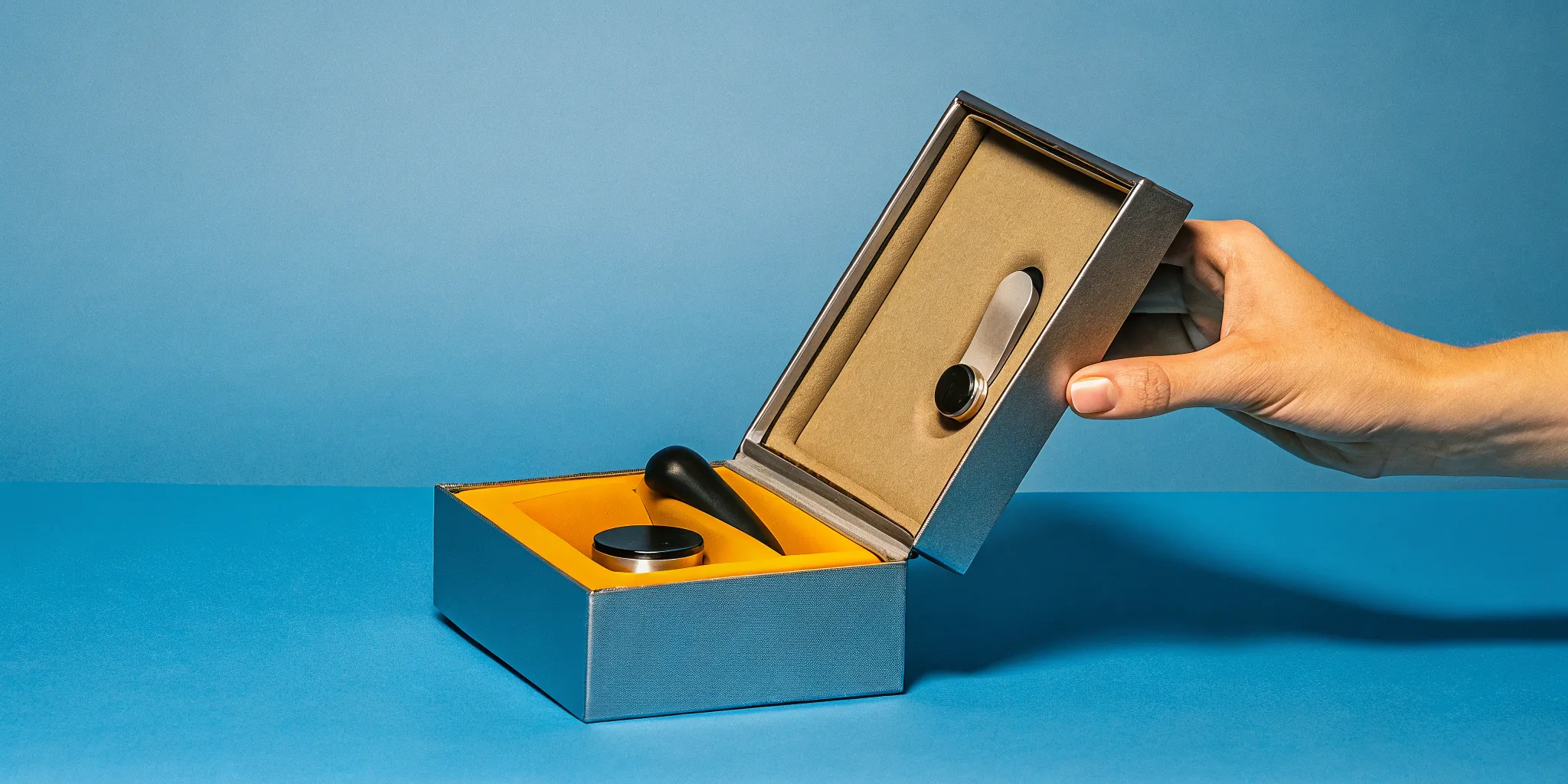
Beyond personal safety, inserts play a huge role in product packaging and presentation. For brands and agencies, a custom-engineered insert is an opportunity to create an unforgettable unboxing experience. Businesses are increasingly using rigid inserts to combine protection with aesthetic appeal, ensuring a product not only arrives safely but also looks incredible. Whether it's for an influencer kit, a new product launch, or a high-end piece of merchandise, a custom insert holds everything perfectly in place. This level of detail communicates quality and care, turning a simple package into a powerful brand statement. It’s where precise engineering meets creative vision to deliver a truly premium feel.
Who Makes the Best Protective Inserts?
Finding the right protective insert depends entirely on your project's needs. Are you creating a completely new product that requires a bespoke fit, or do you need a reliable, standardized solution for an existing item? The answer will point you toward either a custom engineering partner or a trusted off-the-shelf supplier. For creative agencies, this decision is critical. The insert isn't just a piece of foam; it's part of the brand story and the first physical interaction a customer or influencer has with the product. A poorly fitting insert can make a luxury product feel cheap, while a perfectly engineered one can create a memorable unboxing experience.
The good news is that whether you go custom or standard, there are fantastic options available. The trick is understanding what distinguishes a truly great insert from one that just gets the job done. It often comes down to a combination of material science, thoughtful design, and a deep understanding of the product it’s meant to protect. Let’s break down the landscape of top-tier providers so you can make the right call for your brand, your budget, and your timeline.
Custom Solutions from Jackson Hedden Inc.
When your project demands a perfect fit and a unique brand experience, an off-the-shelf insert just won’t cut it. This is especially true for agencies creating high-value influencer kits, launching a new tech device, or designing packaging for a luxury item where presentation is everything. A custom-engineered insert ensures your product is not only secure but also beautifully showcased. We specialize in creating tailored manufacturing solutions, designing and sourcing inserts made from the ideal materials to provide optimal protection. By creating a solution from scratch, we can control everything from the density of the foam to the unboxing sequence, ensuring the final result is both functional and memorable.
Top Off-the-Shelf Brands
Sometimes, you just need a solid, ready-to-go option, and you need it fast. For standard-sized products or internal shipping needs, off-the-shelf inserts are a practical and cost-effective choice. Brands like ULINE and Sealed Air are industry leaders for a reason—they offer a huge variety of reliable protective materials, from bubble wrap and foam sheets to molded pulp trays. While they lack the bespoke feel of a custom design, these products are engineered for performance and are readily available. When exploring these options, it helps to have a clear understanding of your packaging design services needs so you can select the right material and size for the job.
What Sets the Best Options Apart
So, what separates the best from the rest? It comes down to three things: superior materials, smart design, and a focus on the user experience. The best inserts use high-quality foams, plastics, or pulp that won’t degrade and will consistently absorb impact. They are also designed with precision, ensuring a snug fit that prevents movement without making the product difficult to remove. Finally, top-tier industrial design agencies know that an insert is part of the product story. It’s not just about preventing damage; it’s about delivering a premium experience from the moment the box is opened.
Key Features to Look For
When you're developing a product with a protective element, the details make all the difference. It’s not enough for an insert to simply exist; it has to perform reliably under pressure. Whether you’re creating a custom helmet for a brand activation or designing high-end packaging, focusing on a few key features will separate a truly effective solution from one that just looks the part. Here’s what our engineering team always looks for.
Material Durability and Construction
The foundation of any good protective insert is the material it’s made from. It needs to be tough enough to handle repeated impacts, scuffs, and daily wear without degrading. Think about the product’s entire lifecycle—will it hold up in different environments and over time? This is where material science becomes so important. We’re seeing incredible innovations in protective packaging, like carbon-neutral films that offer serious strength while aligning with sustainability goals. Choosing the right material isn't just about function; it's a decision that reflects your brand's commitment to quality and durability, ensuring the end product feels premium and reliable from the first touch.
Comfort, Fit, and Ventilation
Protection should never come at the cost of comfort, especially if someone is expected to wear or use the product for more than a few minutes. An insert that is bulky, ill-fitting, or causes overheating will quickly be discarded. A secure, ergonomic fit ensures the insert stays exactly where it needs to be to absorb impact effectively. For wearable items, features like ventilation systems are a game-changer, allowing air to circulate and keep the user cool. When a protective product is comfortable, it becomes a seamless part of the experience, which is exactly the kind of positive interaction you want associated with your client’s brand.
Weight and Padding
There’s a delicate balance between robust protection and lightweight design. An overly heavy insert can make a product feel clunky and impractical, defeating its purpose. The goal is to achieve maximum impact absorption with minimal bulk. Some of the best modern inserts weigh as little as 2.6 ounces while still providing reliable defense. The magic is in the padding material—high-tech foams like expanded polystyrene (EPS) are engineered to be incredibly strong yet surprisingly light. This thoughtful engineering ensures the final product is easy to handle, wear, and use, making the protective feature an asset rather than a burden for the end-user.
Essential Safety Certifications
For any product where safety is a primary function, certifications are non-negotiable. They are the objective proof that your insert meets recognized industry standards for performance. For example, in tactical gear, armor that is NIJ Certified has been rigorously tested to meet specific ballistic resistance requirements. These certifications take the guesswork out of safety and provide a critical layer of trust and liability protection for your brand and your client. When you’re evaluating options, always ask about the testing and certifications behind the claims. It’s the best way to ensure your product delivers on its promise of protection when it matters most.
The Pros and Cons of Protective Inserts
When you’re developing a product for a campaign—especially something like custom headwear—safety is a top priority. Protective inserts can be a fantastic way to add a functional, protective element to a branded cap or piece of gear. They show a commitment to user well-being and can make a promotional item feel more substantial and valuable. However, it’s just as important to understand their limitations to ensure you’re creating a product that’s both innovative and responsible.
Think of it this way: adding an insert is a strategic design choice. It can add a layer of defense against everyday bumps and scrapes, but it doesn’t turn a baseball cap into a construction helmet. Knowing the difference is key to executing your creative vision successfully and safely. Let’s break down what these inserts do well and where you need to be mindful of their boundaries.
The Pros: Added Safety and Impact Resistance
The primary benefit of a protective insert is straightforward: it adds a layer of defense. For projects like branded hats for an event or merchandise for an active lifestyle brand, an insert can provide meaningful protection from minor head injuries like bumps, scrapes, and bruises. These inserts are engineered to fit discreetly inside standard headwear, turning a simple cap into a piece of functional gear.
Many modern inserts use advanced foam or polymer composites that are designed to absorb and dissipate the force from an impact. Think of them as a personal shock absorber for your head. Even a low-force impact can be jarring, and these liners work to cushion the blow. This added safety feature can be a huge selling point, demonstrating that your brand has gone the extra mile to create a product that is not only stylish but also genuinely useful and protective for the end-user.
The Cons: Knowing Their Limitations
While inserts add a valuable layer of safety, it’s crucial to recognize what they are not. A protective insert inside a baseball cap is not a substitute for a certified hard hat or a sports helmet. It’s essential to be clear about this in any product communication. These products are designed for minor impacts and should never be used in environments where industrial safety equipment, like an ANSI-compliant hard hat, is required.
Furthermore, no insert can prevent all head injuries, including concussions. They reduce risk, but they don't eliminate it. The level of protection an insert offers is directly related to its design, materials, and the specific risks of an activity. When developing a product, you have to match the protective capabilities to the intended use case. A universal bump cap insert is great for preventing scrapes in a tight workspace but is not appropriate for a high-impact sport. Being transparent about these limitations is not just good practice—it’s a responsibility.
Common Myths About Protective Inserts
Protective inserts are a fantastic way to add a layer of safety to everyday headwear, but they come with their share of misconceptions. When you’re developing a product for a client’s campaign or merchandise line, it’s crucial to understand what these inserts can—and can’t—do. Getting it wrong doesn’t just lead to a subpar product; it can create serious safety risks. Let’s clear up a few common myths so you can make informed decisions for your project.
Myth: They Make Anything a Hard Hat
It’s easy to think that slipping a hard plastic shell into a baseball cap turns it into a hard hat, but that’s not the case. Most inserts are designed to function as bump caps, which offer protection from minor scrapes, bumps, and bruises. Think of a mechanic working under a car or a warehouse worker moving through tight spaces. A simple bump cap insert is perfect for those scenarios. However, it won’t protect the wearer from falling objects or heavy impact the way an ANSI-certified hard hat will. For projects requiring true industrial-grade protection, you’ll need to go with properly rated safety equipment.
Myth: They Replace Standard Safety Gear
Building on the first point, inserts should be seen as a supplement to safety, not a replacement for it. They are an excellent middle ground for situations where a hard hat is overkill but some level of protection is still needed. While padded protective inserts can certainly reduce the severity of an impact, they don’t eliminate the risk of injury entirely. It’s important to be clear about their limitations in any product marketing or user instructions. For high-impact sports or regulated work environments, always stick with the certified gear designed specifically for that activity. An insert adds confidence, but it doesn’t make someone invincible.
Myth: One Size Fits All
Many off-the-shelf inserts are marketed as "universal," but fit can vary dramatically depending on the hat’s design and the wearer’s head shape. A poor fit can be uncomfortable and, more importantly, less effective. Most universal bump cap inserts are made from flexible materials that can be trimmed for a better fit, but this puts the responsibility on the end-user. If you’re creating a premium branded product, a sloppy fit won’t cut it. This is where custom engineering shines. Designing an insert specifically for your chosen headwear ensures a seamless, comfortable, and effective fit for a much better user experience.
How to Choose the Right Protective Insert
Selecting the right protective insert is about more than just picking a piece of foam; it’s about aligning the product’s function with your brand’s promise. Whether you’re developing a piece of high-tech merchandise or a key asset for an experiential campaign, the insert defines the user’s safety and their perception of quality. Getting it right requires a clear understanding of your project's goals, budget, and non-negotiable safety standards.
Define Your Project's Safety Needs
The first step is to get clear about what you’re protecting against. Not all impacts are the same, and an insert designed for one scenario might be useless in another. For example, bump caps are lightweight inserts that protect against minor head scrapes, making them great for promotional gear in low-risk environments. They aren't a substitute for a certified hard hat on a construction site. Ask yourself: What are the real-world risks? Is the user moving quickly? Are they around heavy machinery? Defining the specific application helps you determine the necessary level of impact absorption and coverage, ensuring the final product is both safe and suitable for the experience you’re creating.
Balance Cost with Long-Term Value
It’s easy to default to the cheapest off-the-shelf insert, but that can be a shortsighted move. Think of it like store-bought shoe insoles versus custom orthotics; the generic option offers basic support, but a custom-fit solution delivers superior performance and durability. A custom-engineered insert might have a higher initial cost, but it provides long-term value by integrating perfectly with your product’s design. It also offers a chance to blend function with aesthetics. A sleek, rigid insert not only protects the user but also enhances the product’s premium feel, making it a seamless part of the brand experience you’re building.
Check for Professional Certifications
If your product makes any safety claims, certifications are non-negotiable. They are an independent verification that your insert meets specific performance standards. For tactical gear, an insert that is NIJ Certified has been rigorously tested to meet strict ballistic resistance requirements. These standards define exactly what an insert can withstand. For headgear, you might look for ANSI or CE ratings. Understanding these certifications helps you select an insert that provides proven protection, which is crucial for building trust with users and protecting your client’s brand from liability. It’s the difference between claiming a product is safe and proving it.
Related Articles
- Electronics Enclosure Design Tips & Best Practices | Jackson Hedden Inc
- Biocompatible Materials: The Ultimate Guide
Frequently Asked Questions
When should our agency choose a custom insert over a standard one? A standard, off-the-shelf insert is a great choice when your only goal is basic protection for internal shipping or a very simple project. But if the product is client-facing, a custom-engineered solution is almost always the better move. A custom insert is designed to fit your product perfectly, creating a premium unboxing experience for an influencer kit or new launch. It ensures the final product feels intentional and high-quality, rather than like an afterthought.
Can a protective insert really make a promotional product safer? Yes, it absolutely can. Adding a quality insert to a baseball cap or other headwear provides meaningful protection from the everyday bumps, scrapes, and knocks that happen in low-risk environments. It turns a simple promotional item into a genuinely useful piece of gear. The key is to be transparent about its limitations; it adds a valuable layer of safety, but it doesn't turn a cap into a certified helmet for high-impact activities.
How does an insert affect the look and feel of the final product? A poorly chosen insert can make a product feel bulky, heavy, and uncomfortable. However, a well-engineered one should feel like a seamless part of the design. The best inserts use lightweight yet strong materials that provide protection without adding unnecessary weight. When designed correctly, especially a custom solution, the fit is so precise that the user barely notices it’s there—they just experience a more comfortable and secure product.
What's the real difference between a bump cap insert and a hard hat? Think of it as different tools for completely different jobs. A bump cap insert is designed to protect you from minor, stationary hazards, like scraping your head while working in a tight space. A certified hard hat is engineered to protect you from serious, high-impact threats like falling objects on a construction site. They are not interchangeable, and using a bump cap where a hard hat is required is a significant safety risk.
Beyond safety, how can an insert add value to a marketing campaign? An insert is a detail that communicates a brand's commitment to quality. In packaging, a custom-molded insert creates a stunning presentation that holds a product securely, making the unboxing feel like a luxury experience. For wearable merchandise, it shows you’ve thought about the user’s well-being beyond just the logo. This attention to detail makes the product more memorable and elevates the perception of your client’s brand.