
Therabody Buys Embr Labs’ Thermal Tech: Consumer Product Design Lessons From a Wrist-Worn Heat Pump
Therabody has acquired the intellectual property behind the Embr Wave, a wrist-worn device that cools and warms the skin to help manage hot flashes. Here is what it takes to design a thermal wearable, from heat pump physics and skin safety to fit, battery life and turning acquired patents into a next-generation product.
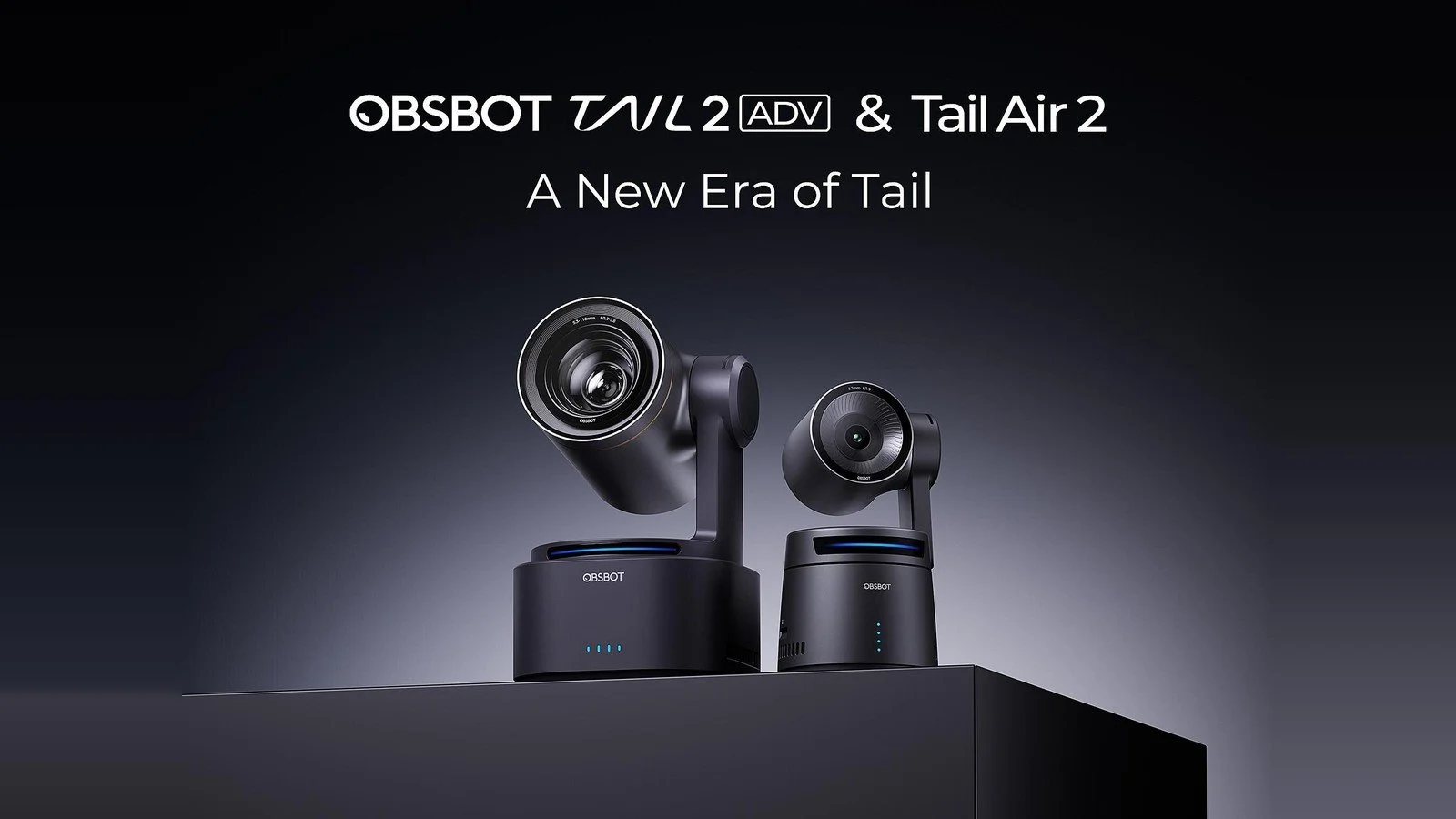
OBSBOT Tail 2 ADV and Tail Air 2: Electronic Product Design Lessons From Compact PTZR Cameras
OBSBOT’s new Tail 2 ADV packs 21x optical zoom, a three-axis gimbal, PoE+, 3G-SDI and a 5000 mAh battery into a body about 4 by 6 inches, while Tail Air 2 adds a 1-inch sensor and a rotating lens module. Here is what it takes to package motion control, optics, power and heat into a compact camera, and what product teams can learn from it.
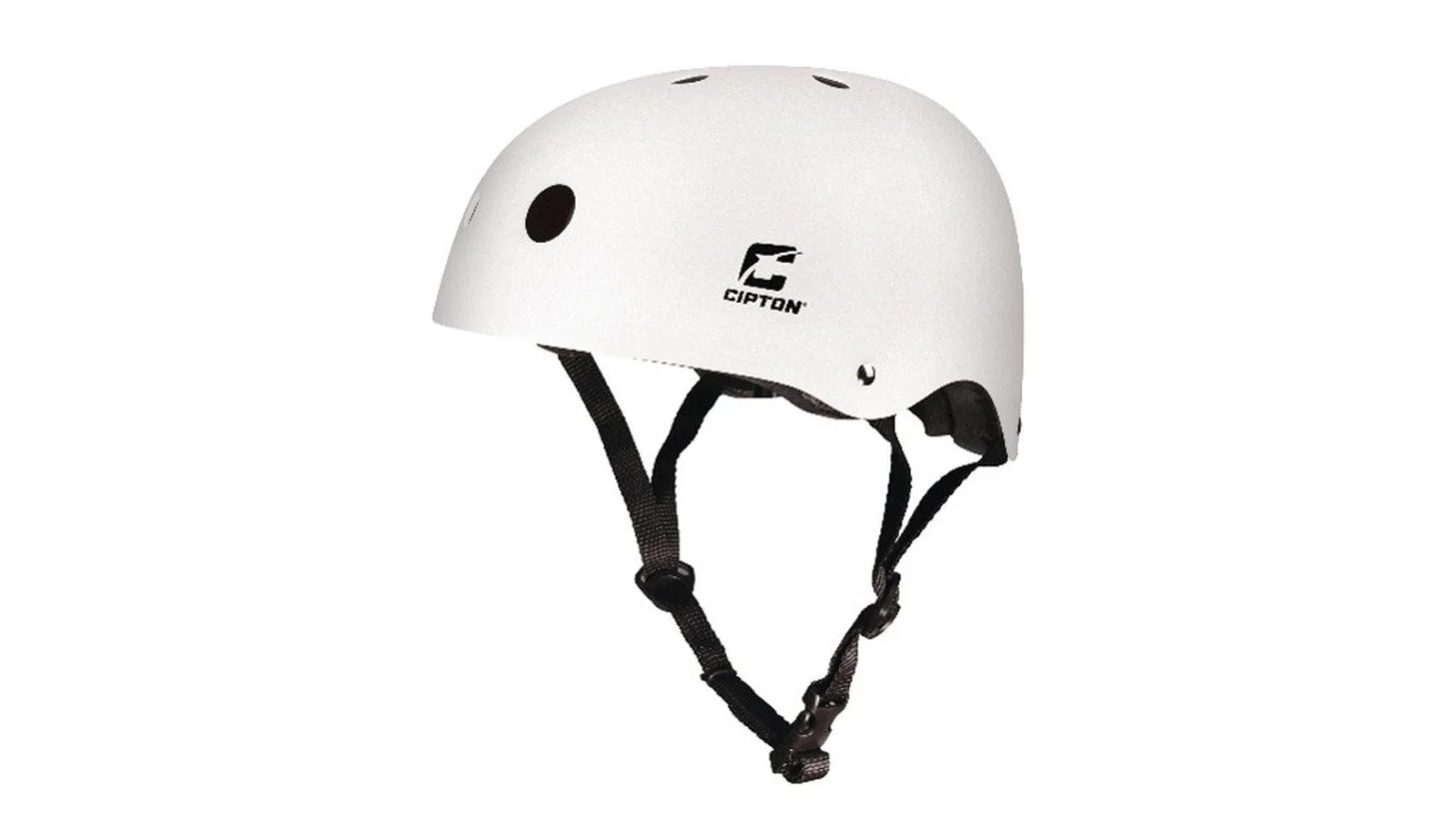
Cipton’s LED Youth Bike Helmet Recall: Consumer Product Design Lessons for Safety-Regulated Gear
CPSC says about 16,730 Cipton youth bicycle helmets with built-in LED strips fail the federal helmet standard's impact, stability and certification requirements. Here is what 16 CFR Part 1203 asks for, and how product teams can add lights, sensors or batteries to safety-regulated products without breaking compliance.
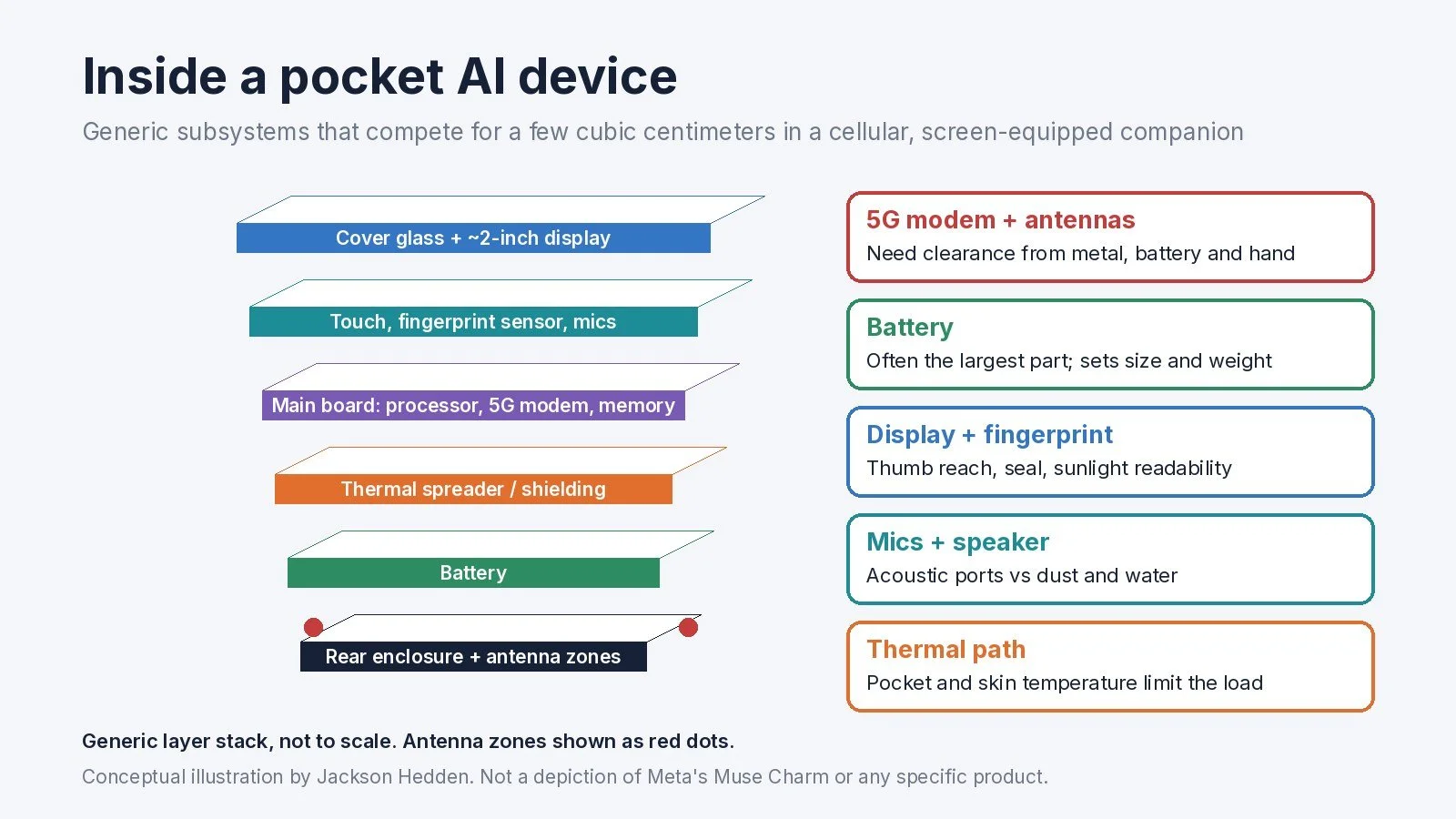
Meta’s $300 Muse Charm: Electronic Product Development Lessons From a Pocket AI Device
The Information reports Meta will price its pocket-sized Muse Charm at $300 with up to 12 months of free Verizon 5G data. Here is what a screen-equipped cellular AI companion demands of electronic product development, from antennas and certification to battery life, heat and a holiday ship date.
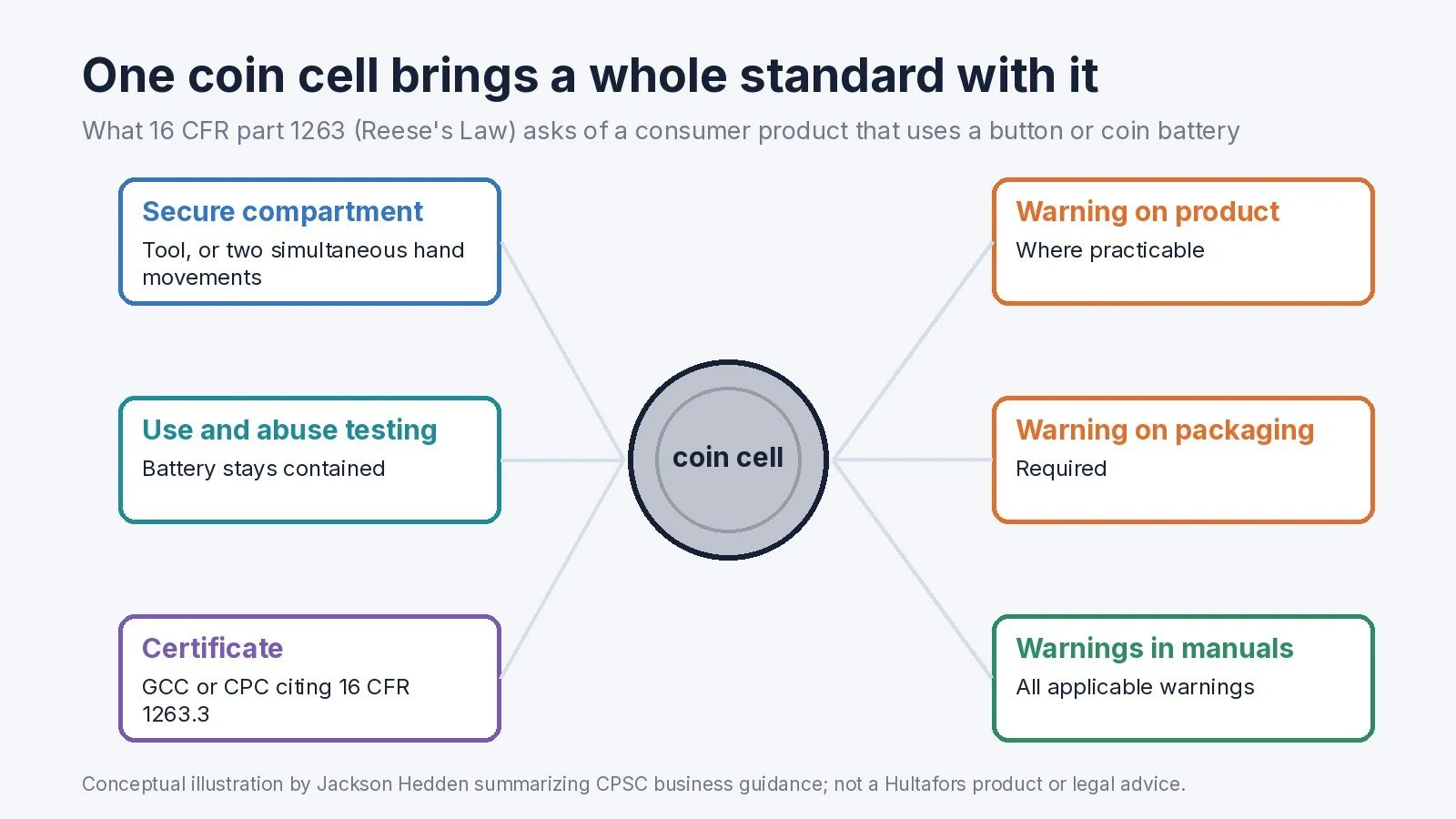
Hultafors’ Button Battery Recall: Design for Manufacturing Lessons From Reese’s Law
CPSC’s November 19 recall of about 229,430 Hultafors trade tools shows how one coin cell brings a federal standard with it, and why battery doors, abuse testing and warnings belong in design for manufacturing from day one.
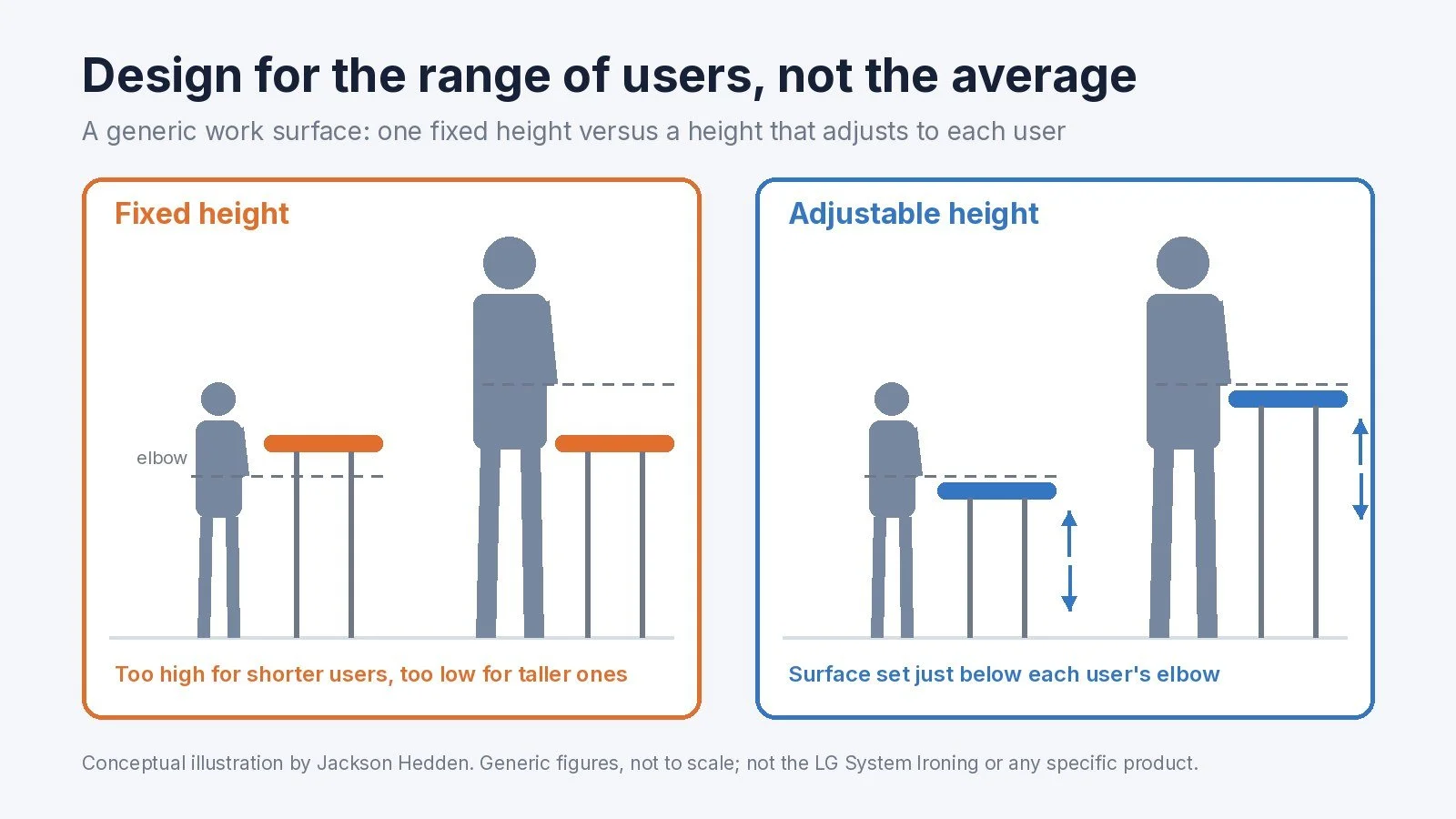
LG’s Ergonomic Design Award: Human Factors Lessons for Consumer Product Design Companies
On November 18, 2026, LG announced that its System Ironing won the Grand Prix at the Ergonomics Society of Korea's 2026 Ergonomic Design Awards. Here is what was reported, plus how product teams can use body data, task mapping and fit testing before tooling.
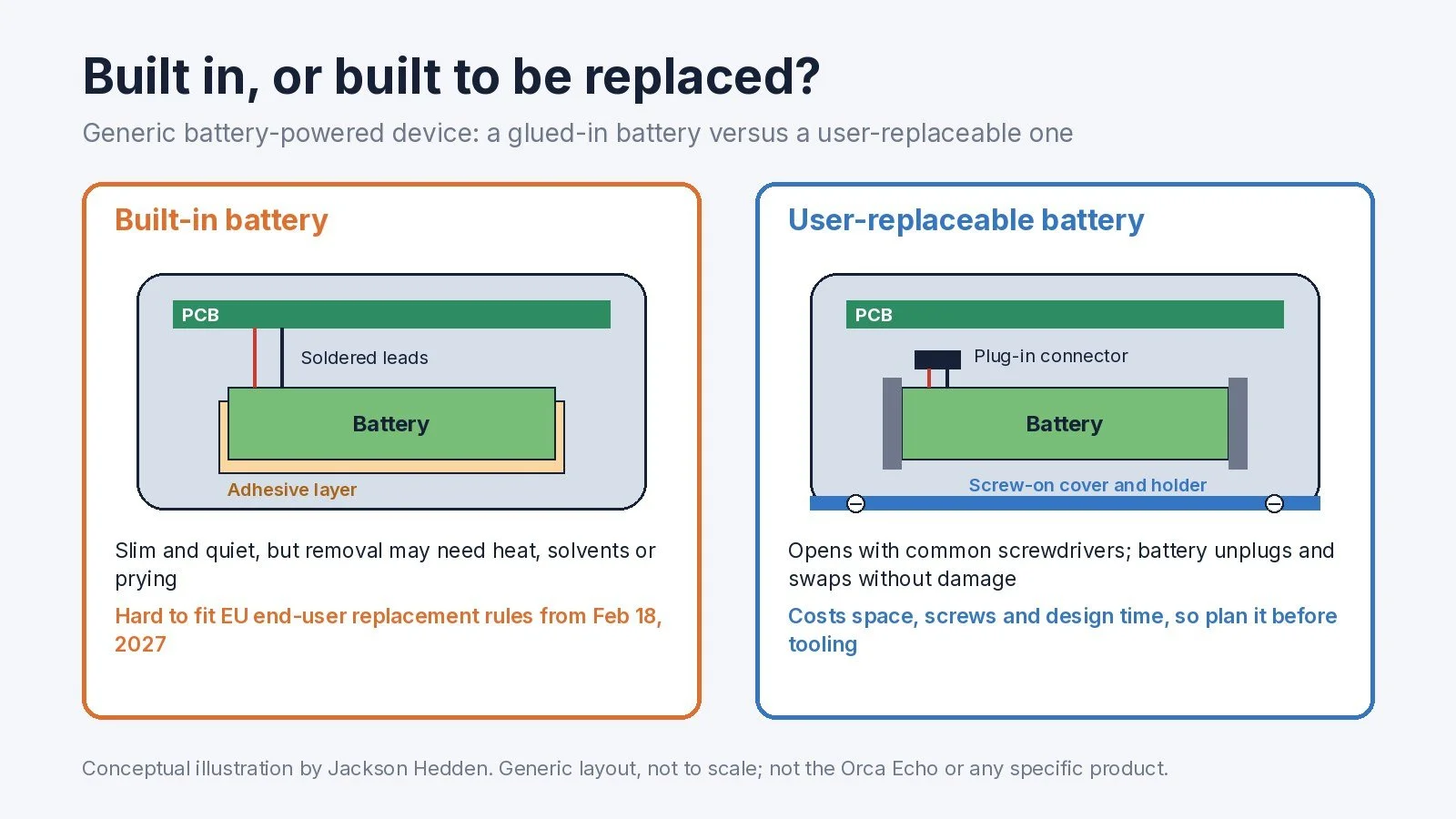
Keychron’s Orca Echo EU Pause: Replaceable Battery Lessons for Product Teams
On November 17, 2026, TechPowerUp reported that Keychron refunded EU reservations for its Orca Echo split keyboard because its built-in battery is not user-removable. Here is what the EU’s February 2027 replaceable-battery rule requires and how product teams should plan battery access before tooling.
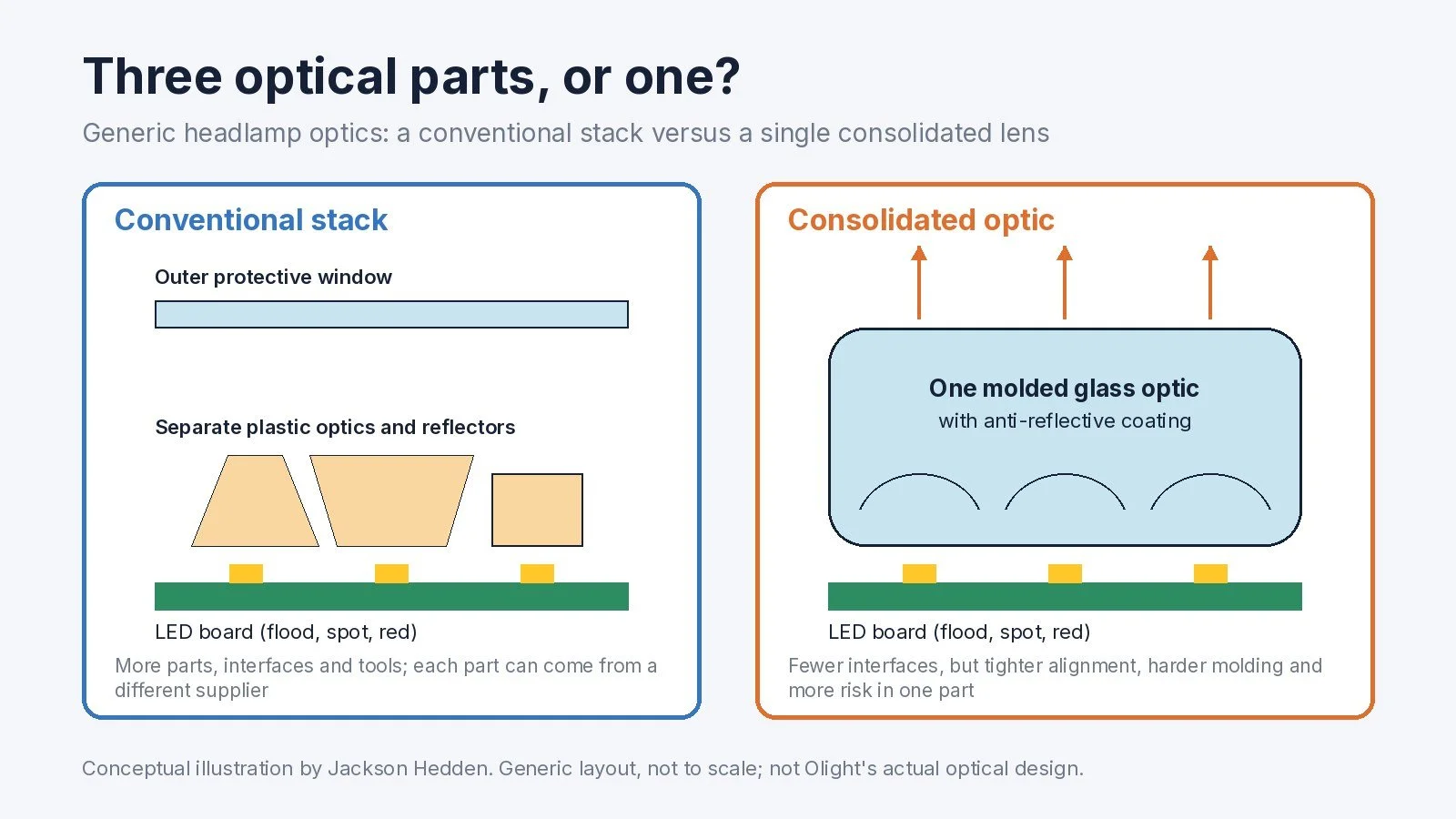
Olight’s Single Glass Headlamp Lens: Part Consolidation Lessons for Product Teams
On November 17, 2026, Olight launched the Perun X and Perun Ultra headlamps around a single glass lens that replaces separate plastic optics, reflectors and an outer window. Here is what part consolidation gains, what it risks, and how outdoor product teams should prove it before tooling.
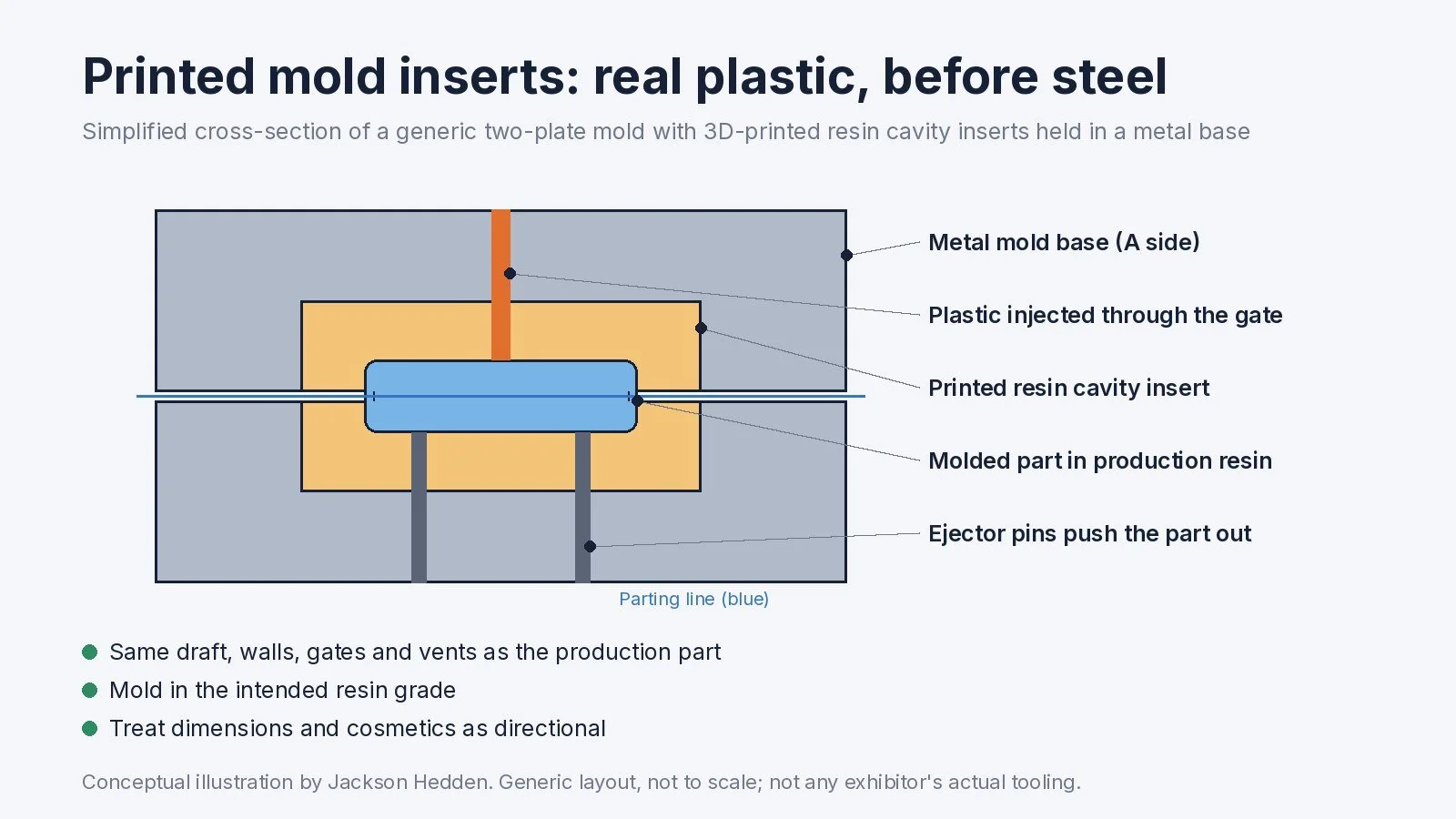
Formnext 2026: What 3D-Printed Mold Inserts Mean for Prototype Development
At Formnext 2026, which opened November 17, iAM Marketplace showcased injection molding with 3D-printed mold inserts and Stratasys unveiled its H550 production printer. Here is when molded prototypes beat 3D prints, what printed inserts can't tell you, and how to plan the path to steel tooling.
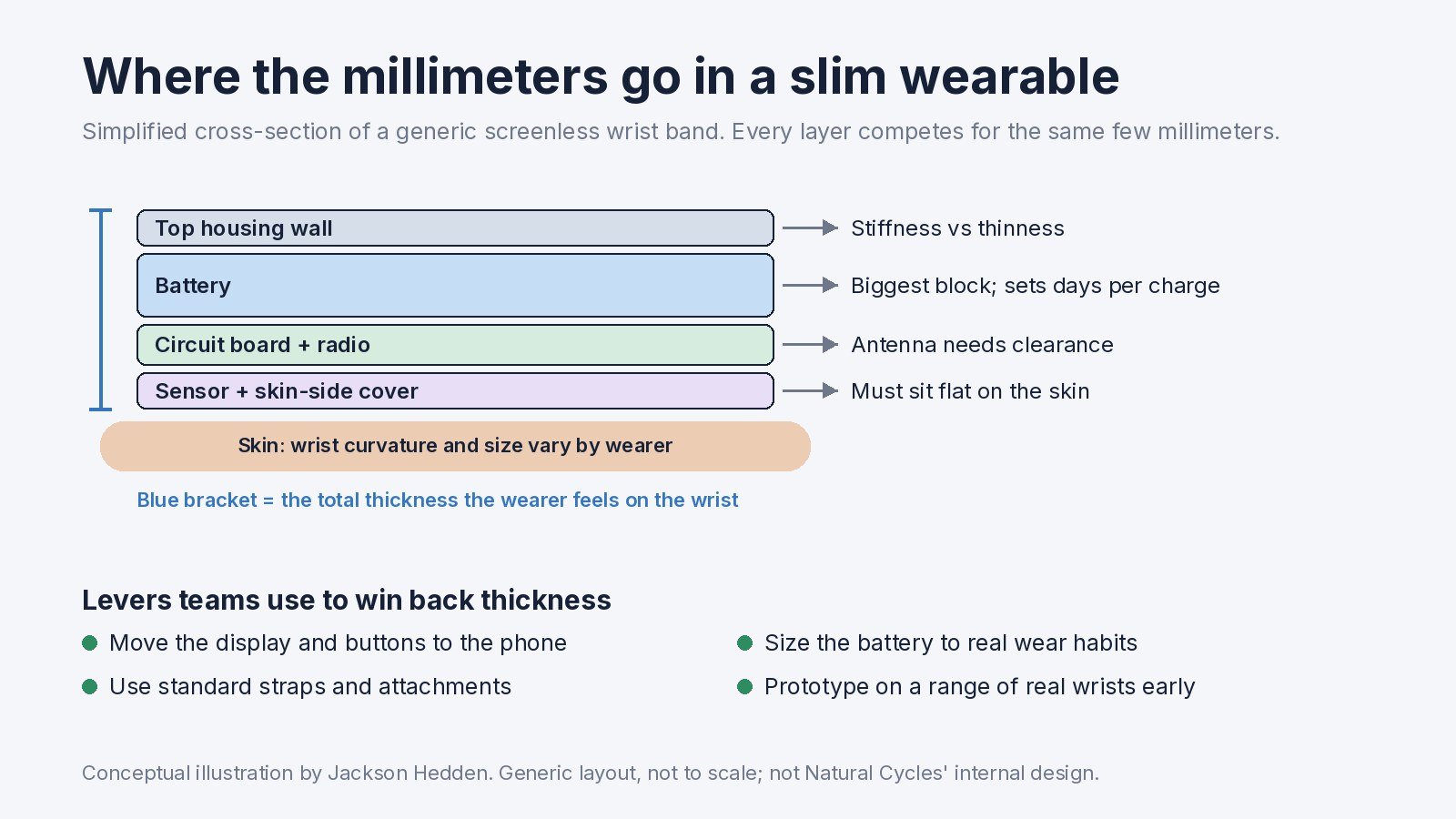
Natural Cycles’ NC° Band 2 and NC° Ring: Consumer Product Design Lessons From Wearables Built for Women
Natural Cycles' NC° Band 2 and NC° Ring, announced November 17, 2026, are sold on thinness, weight and comfort for women. Here is what they teach product teams about body-first design, sensor choices, battery budgets, sizing and claims.
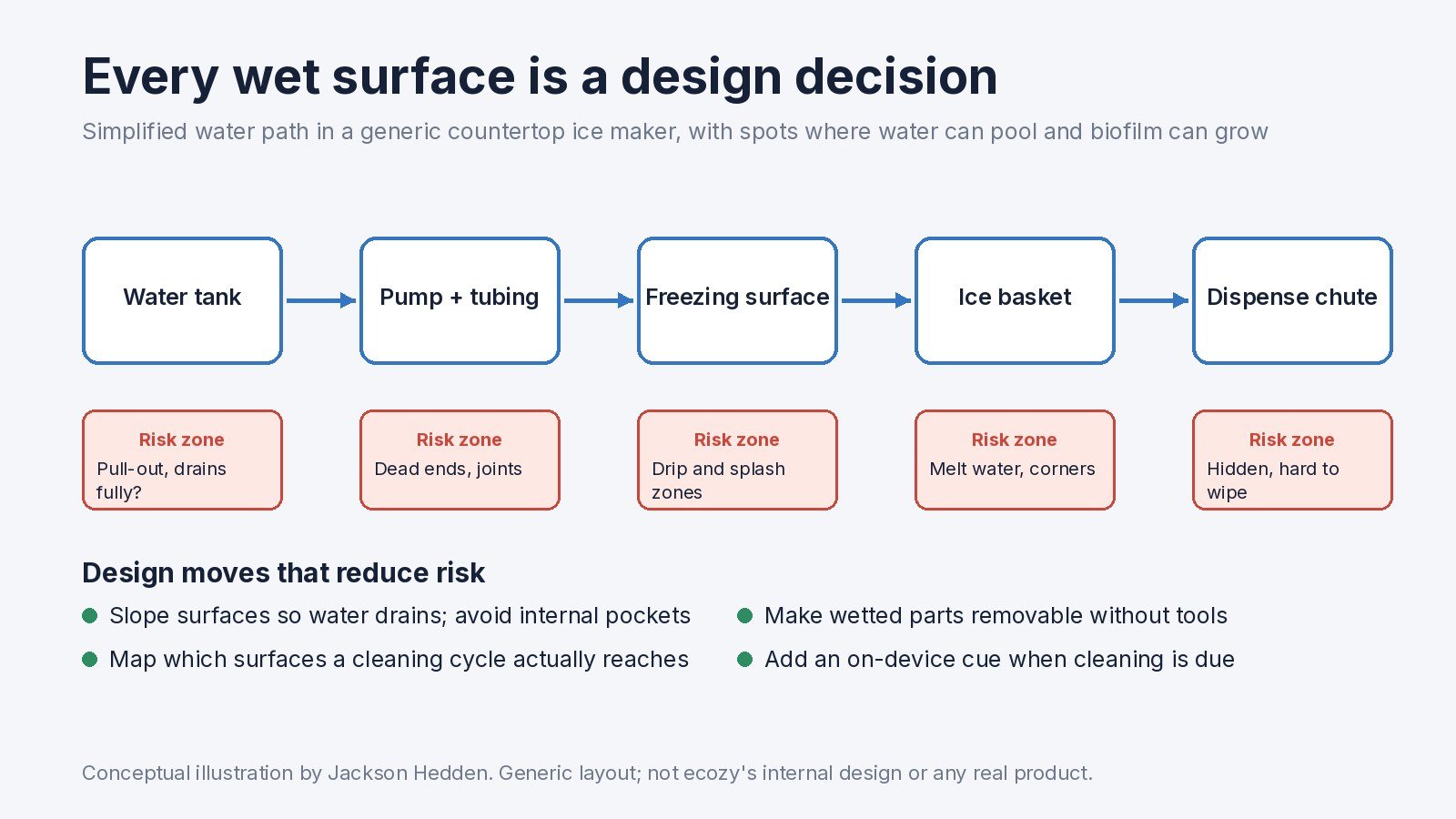
ecozy’s Touch-Free Nugget Ice Maker: Hygiene Lessons for Consumer Product Design Companies
ecozy’s Mistalo DropCore, launched November 17, 2026, sells touch-free dispensing and self-cleaning as headline features. Here is what it teaches product teams about water paths, biofilm, cleaning indicators, sensor claims and compact appliance layout.
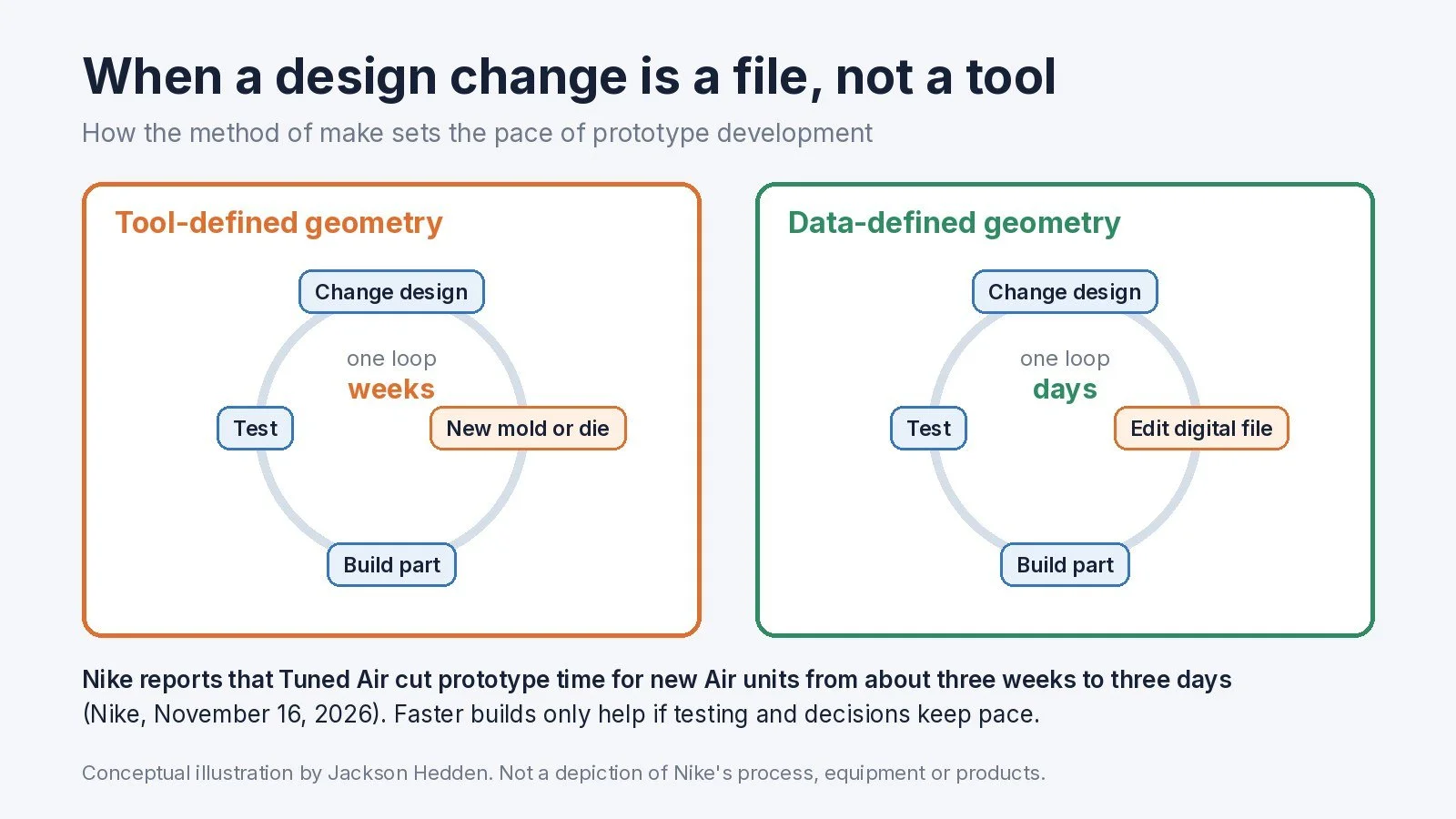
Nike Tuned Air: What a Digital Method of Make Means for Prototype Development
Nike's Tuned Air moves the internal geometry of its Air units into a printed pattern, and Nike says prototypes that took three weeks now take three days. Here is what a faster method of make teaches product teams about tooling, production-intent prototypes, testing capacity and the real bottlenecks in prototype development.
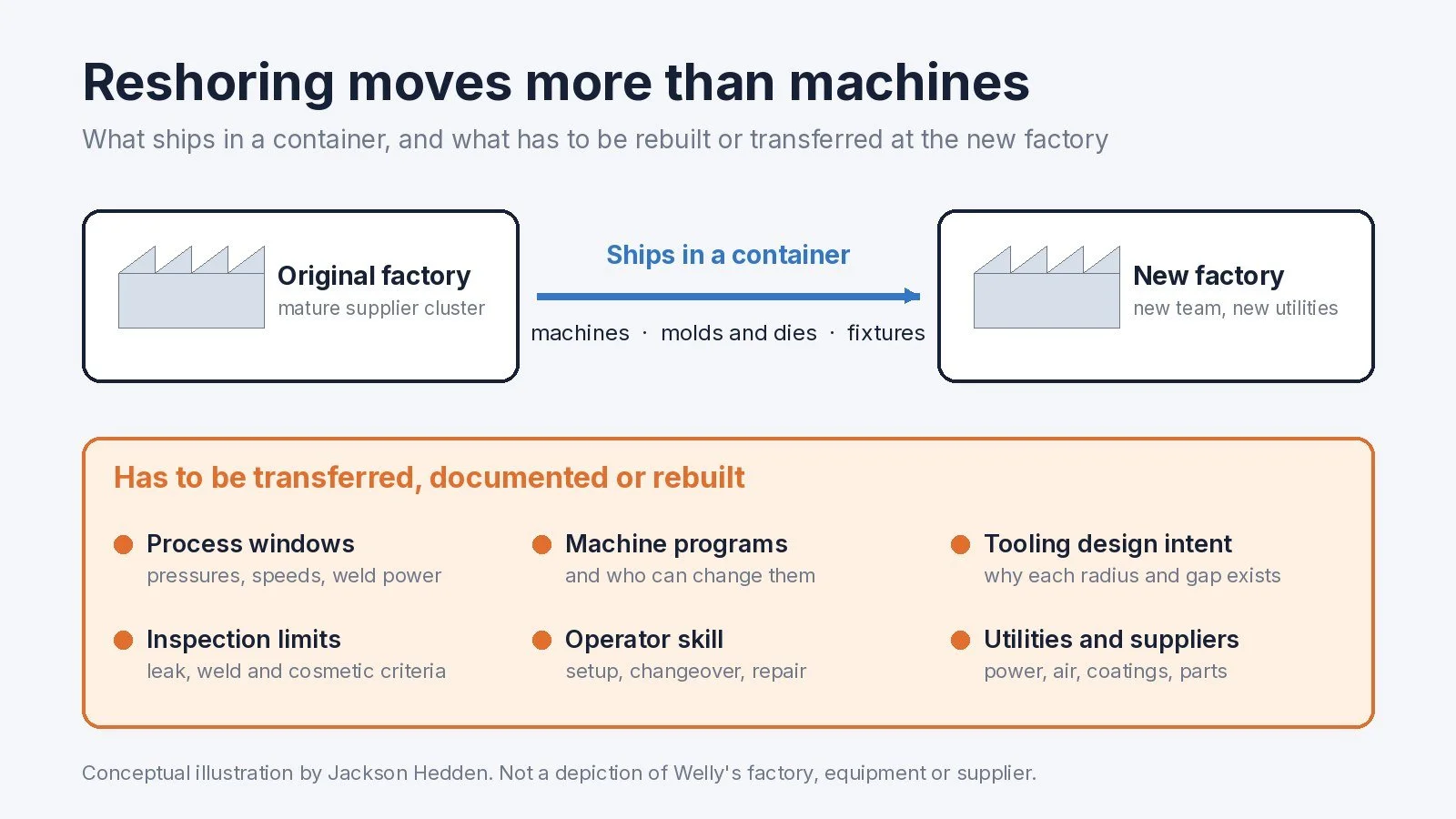
Welly’s Pittsburgh Tumbler Factory: Design for Manufacturing Lessons From Reshoring
Bloomberg’s report on Welly’s Pittsburgh-area drinkware factory shows that reshoring is a process-transfer project, not just an equipment purchase. Here is what tariffs, power, visas and thin documentation reveal about tooling ownership, process windows and design for manufacturing.
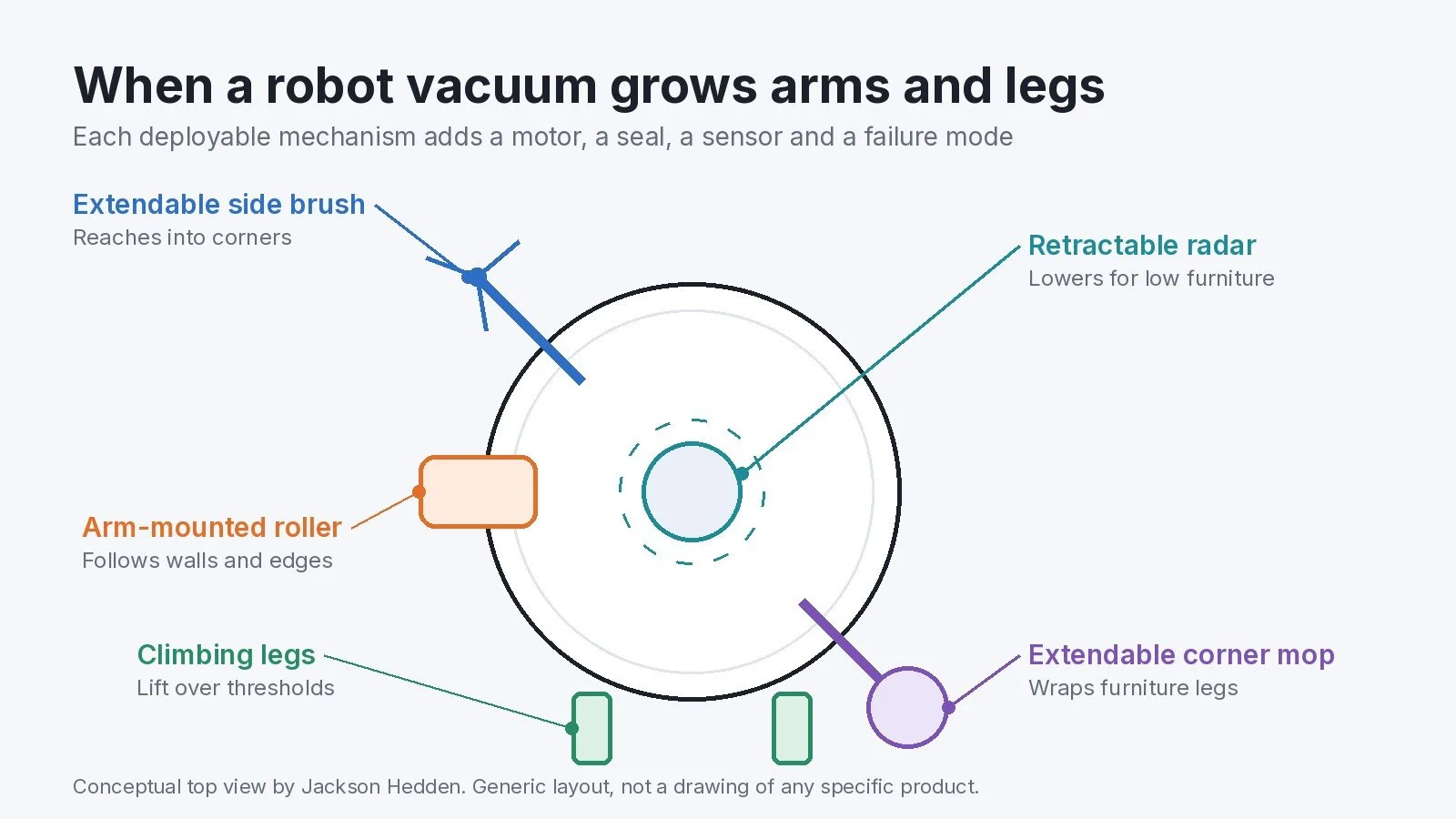
Xiaomi Robot Vacuum 6 Max: What Consumer Product Design Firms Weigh When Robots Grow Arms
Xiaomi's UK launch of the Robot Vacuum 6 Max shows robot vacuums competing on arms, legs and hot-water docks rather than suction alone. Here is what each added mechanism brings in sealing, testing and serviceability, and how product teams can decide which ones earn their place.
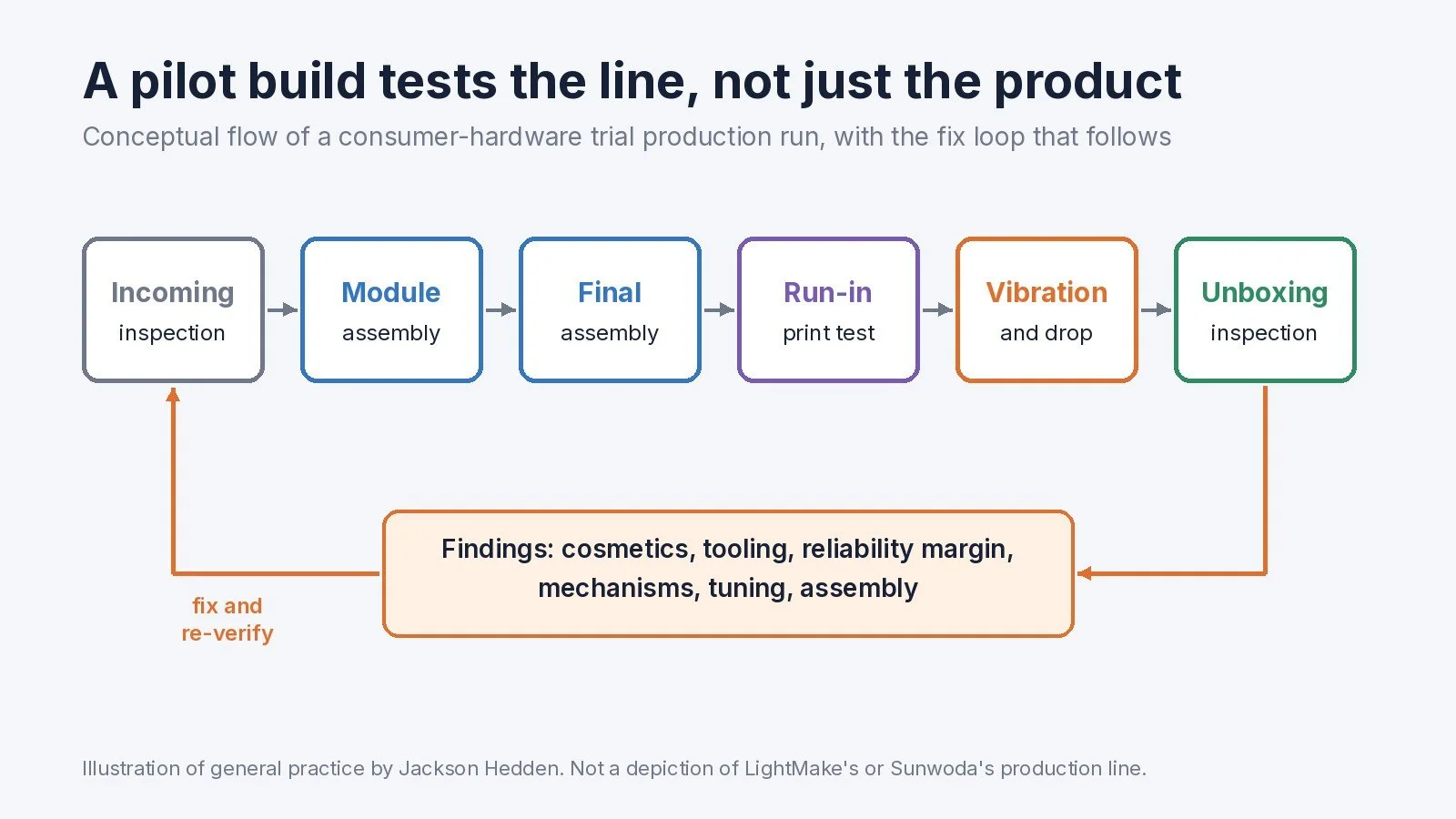
LightMake L4 Delay: What a Trial Production Run Catches Before Shipping
A Kickstarter-funded 3D printer's trial production run surfaced six issues, from housing color to a mold gate defect, and pushed shipping to late January 2027. Here is what pilot builds catch that prototypes miss, and how product teams can plan for it.
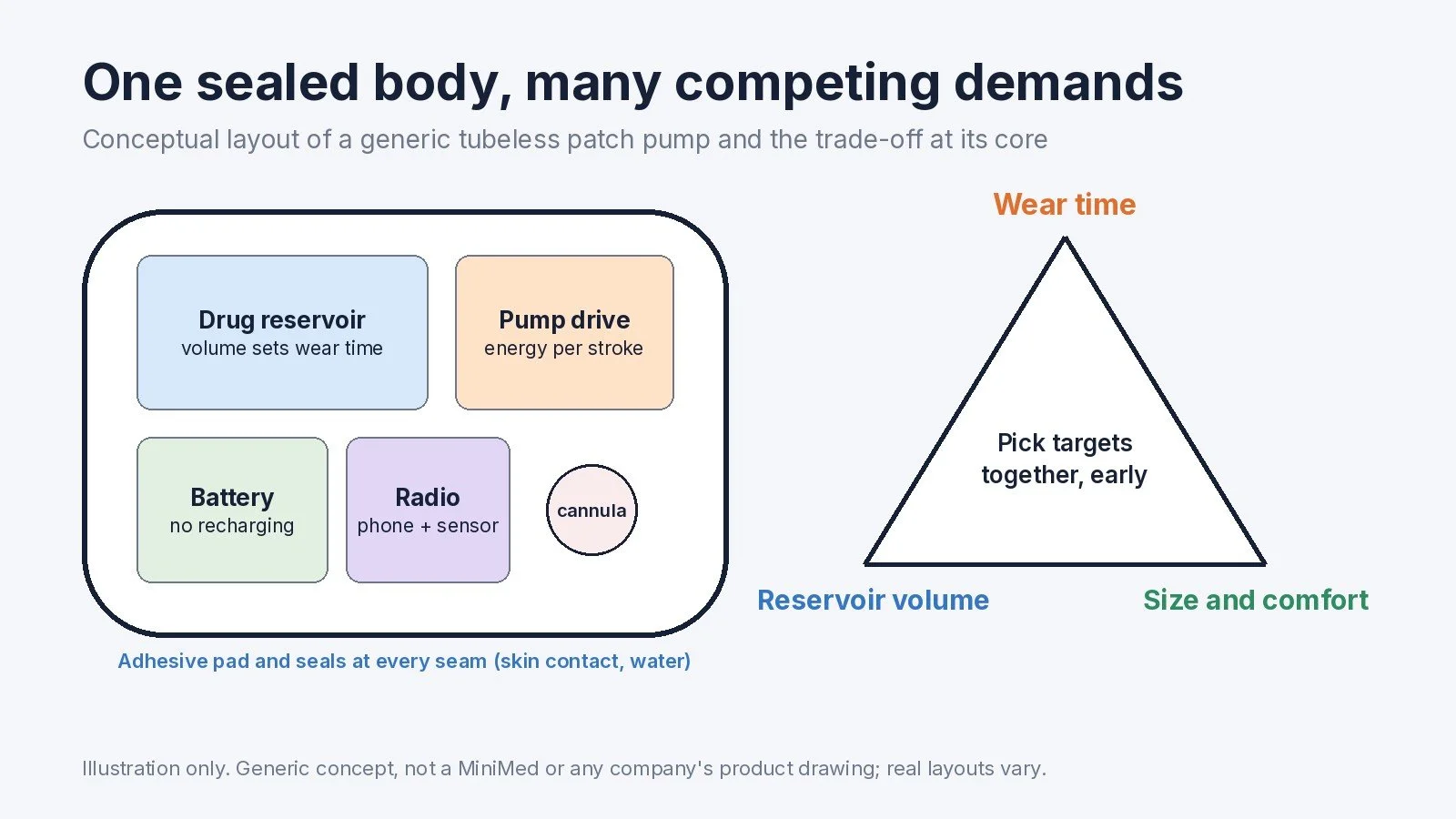
MiniMed Fit Clears FDA: What a 7-Day Tubeless Insulin Pump Teaches Wearable Device Teams
MiniMed’s first tubeless insulin pump combines up to seven days of wear, a 300-unit reservoir and no charging in one sealed body. Here is what its wear-time, power, sealing and scale-up trade-offs teach teams building body-worn devices.
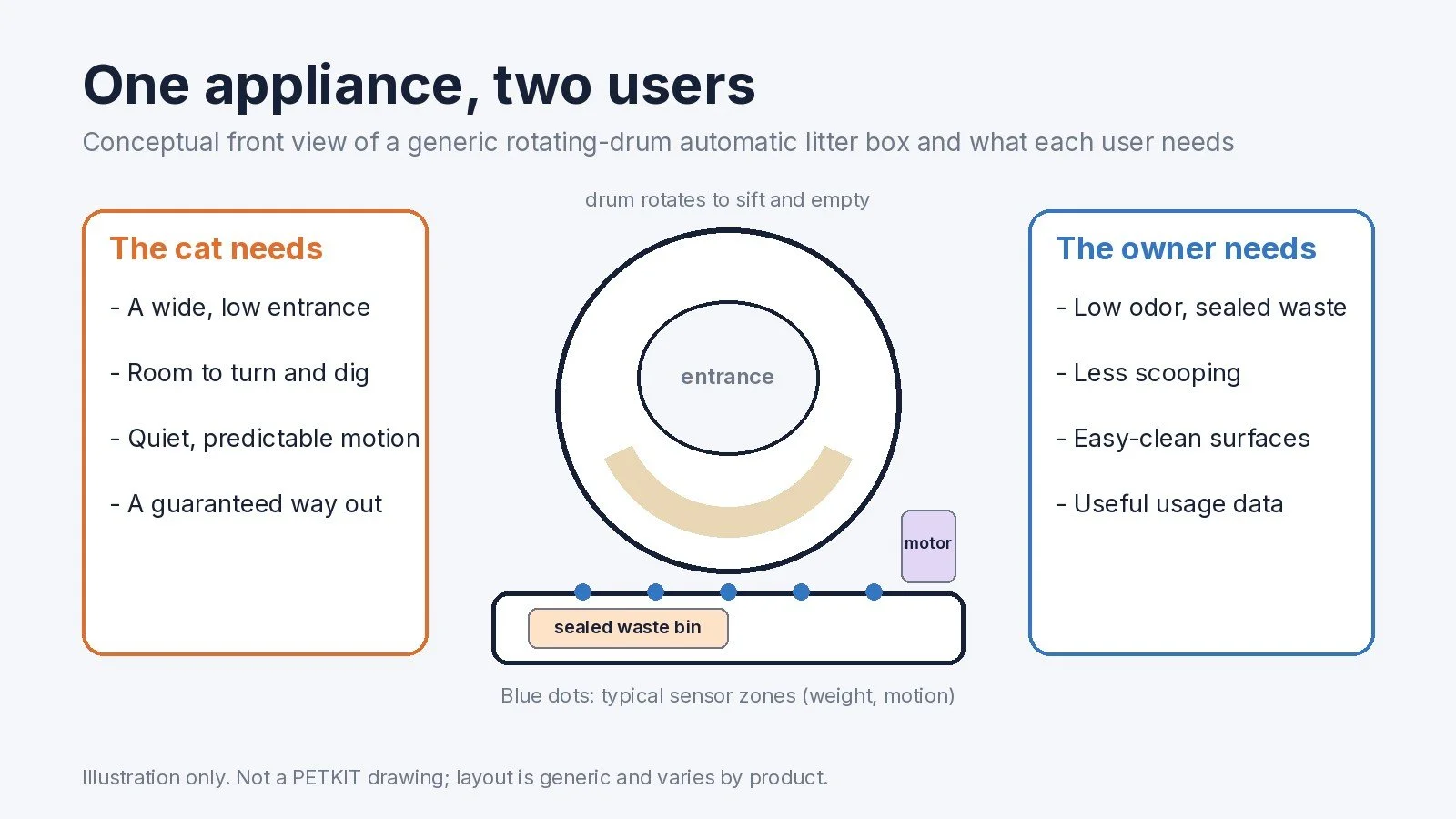
PETKIT’s New Self-Cleaning Litter Box: Fail-Safe Lessons for Consumer Product Design Firms
## Frequently asked questions
**What is the PETKIT P9906 automatic litter box?**
It is a self-cleaning cat litter box, sold as the PUROBOT MAX 3, that went on sale in Japan on November 13, 2026. It rotates to separate and store waste, logs each cat's use and weight in an app, and has an entrance about 43% larger than its predecessor.
**How do automatic litter boxes keep cats safe?**
The P9906 uses 12 sensors to detect a cat's movement and weight and pause the drum. It also uses a mechanical design that keeps the entrance from fully closing, so a cat can exit during a power outage or sensor fault.
**What is a fail-safe design?**
A fail-safe design returns a product to a harmless state when power, sensors or software fail. It usually relies on mechanical features such as geometry, springs or limited travel rather than code alone.
**What should I look for in a design partner for a pet or home appliance?**
Look for experience with motorized mechanisms, sealing and cleanability, safety testing and taking products through EVT and DVT into production. Ask how they prototype with real users and how they handle failure modes.
If you are comparing [consumer product design firms](https://www.jacksonhedden.com/consumer-product-design) for a pet product or home appliance where safety and everyday usability have to work together, see how we approach consumer products or [contact our team](https://www.jacksonhedden.com/contact) to talk through your mechanism and safety strategy before tooling.
*Jackson Hedden is a product design, development and manufacturing firm helping founders and product teams take consumer and industrial products from concept to production.*
## Sources
- Ueni Trading (PR TIMES, in Japanese), "PETKIT Automatic Cat Litter Box (P9906) to launch November 13," November 12, 2026: https://prtimes.jp/main/html/rd/p/000002077.000025284.html
- PETKIT Japan, product page for the Automatic Cat Litter Box Full Set / P9906 (PUROBOT MAX 3), accessed November 16, 2026: https://petkit.co.jp/products/pkt-p9906
- Digital Magazine (in Japanese), "PETKIT Automatic Cat Litter Box (P9906) launched; entrance about 43% larger," November 13, 2026: https://digimaga.jp/70686/
- Pet Age, "WAUDOG Introduces Wireless Pet Water Fountain with Up to Two Weeks of Battery Life," November 13, 2026: https://www.petage.com/waudog-introduces-wireless-pet-water-fountain-with-up-to-two-weeks-of-battery-life/
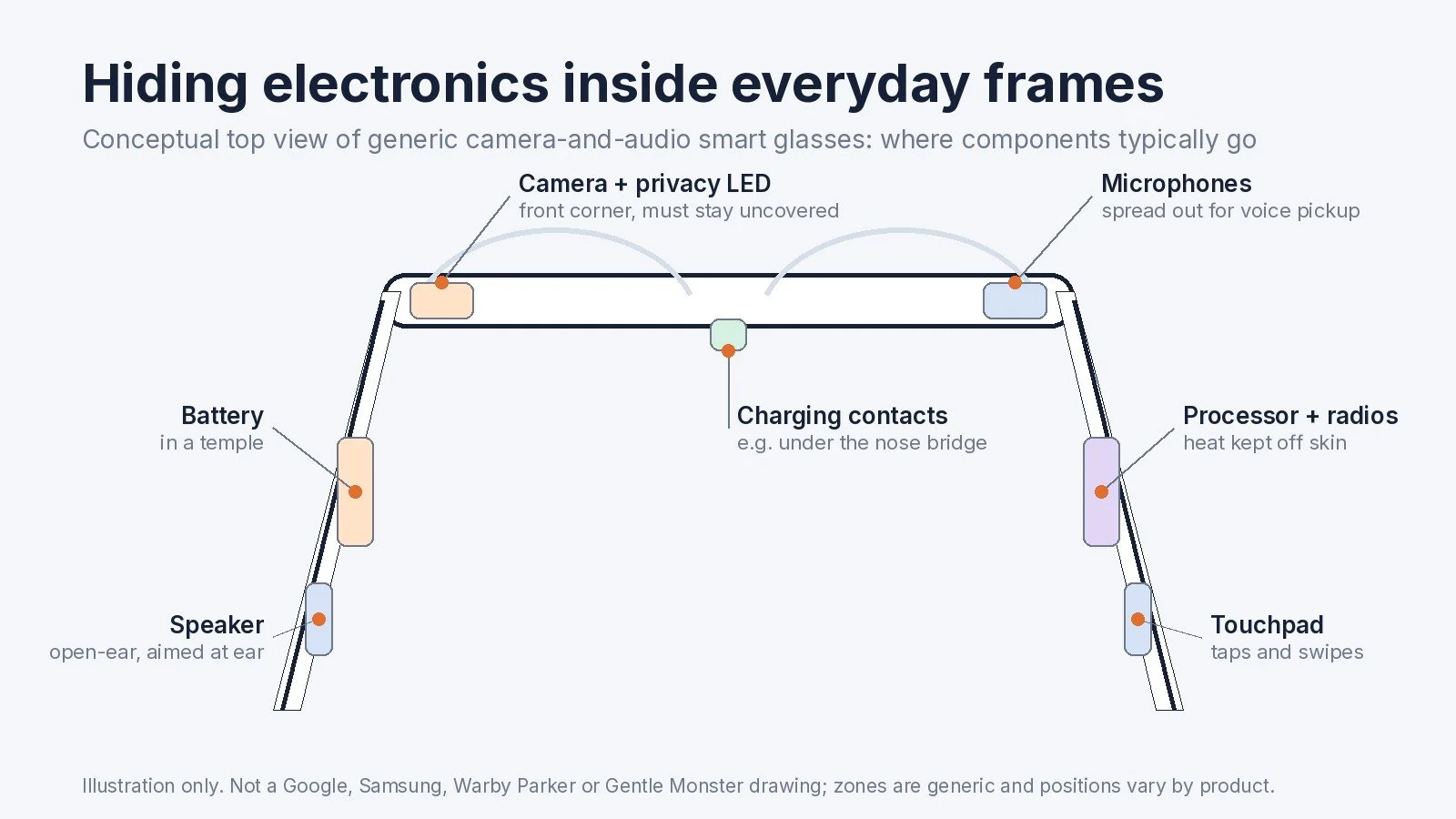
Google’s Intelligent Eyewear: What Hiding Tech in Everyday Frames Teaches Industrial Design Firms
Google's Intelligent Eyewear packs a camera, speakers and Gemini into 41-gram frames from Warby Parker and Gentle Monster. Here is what its weight budget, platform strategy and privacy hardware teach product teams.
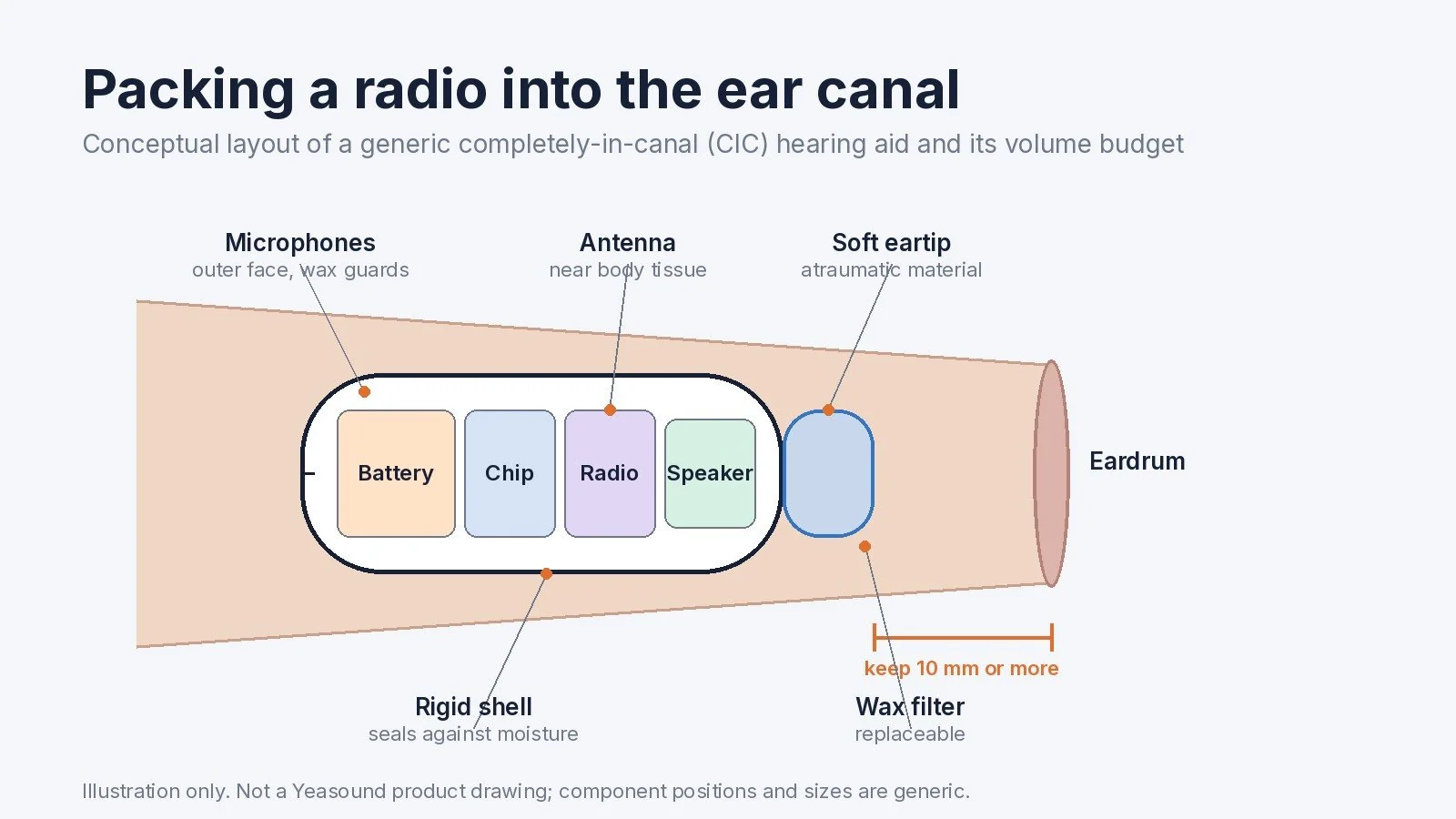
Yeasound’s Bluetooth In-Canal Hearing Aid: Electronic Product Design Lessons in Miniaturization
Yeasound's Robin CIC60 fits Bluetooth streaming into a 1.3-gram hearing aid that sits inside the ear canal. Here is what its power, controls and FDA design rules teach teams building small connected devices.
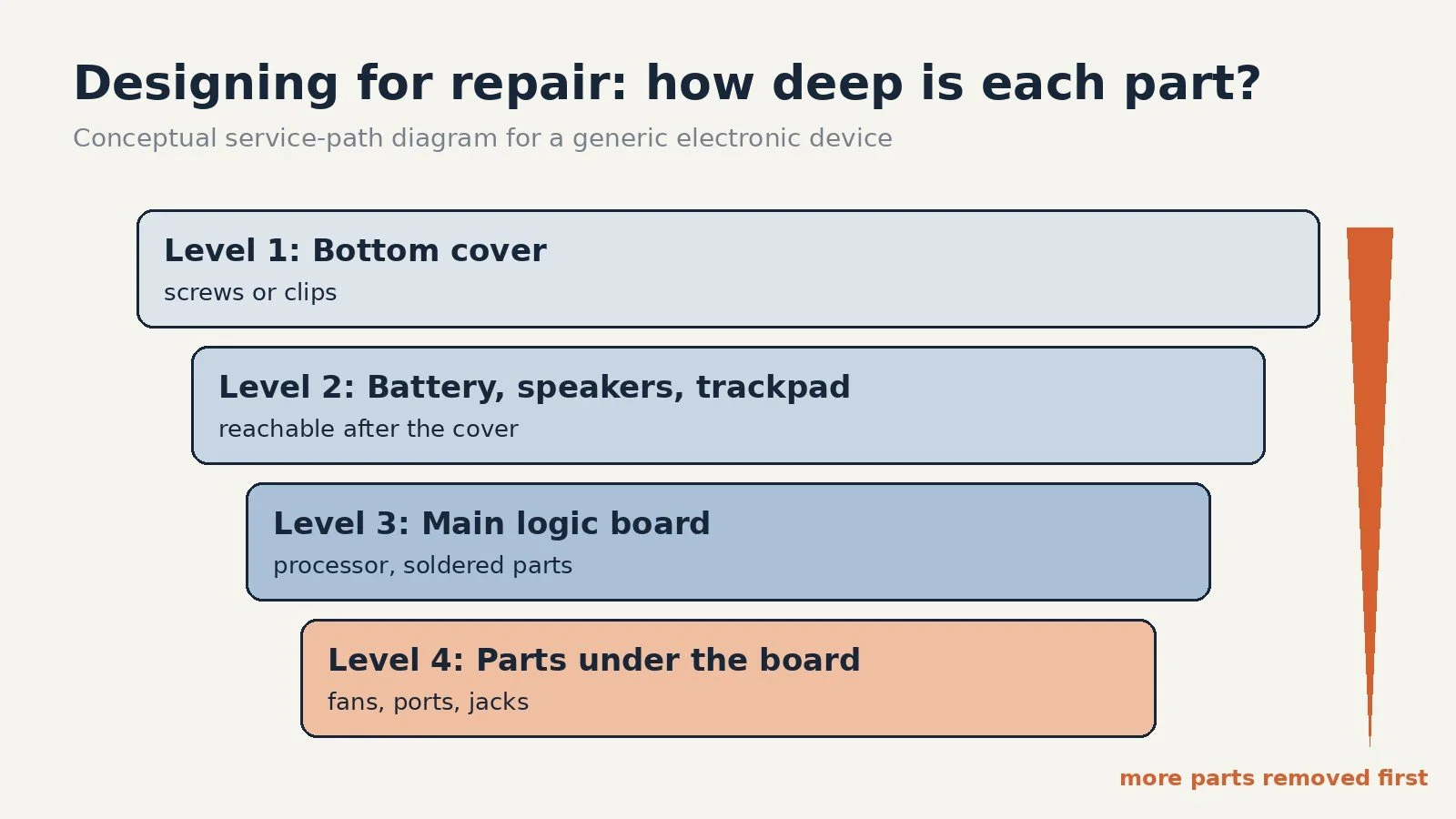
Apple’s Touchscreen MacBook Pro Teardown: Repairability Lessons for Consumer Product Design
iFixit's teardown of Apple's first touchscreen MacBook Pro shows which repair decisions are cheap software fixes and which are locked in by architecture. Here is what it teaches consumer product teams.